Top 10 Rice Fields in Vietnam for Photographers
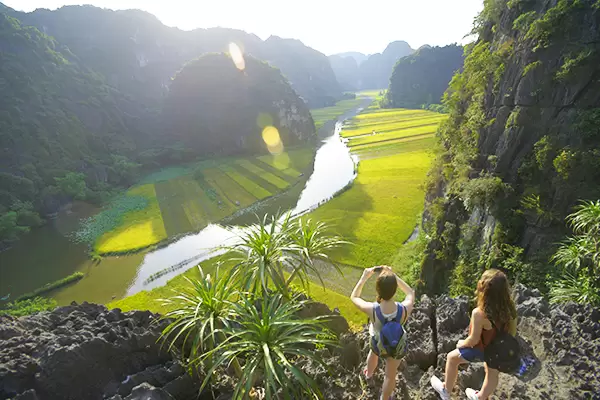
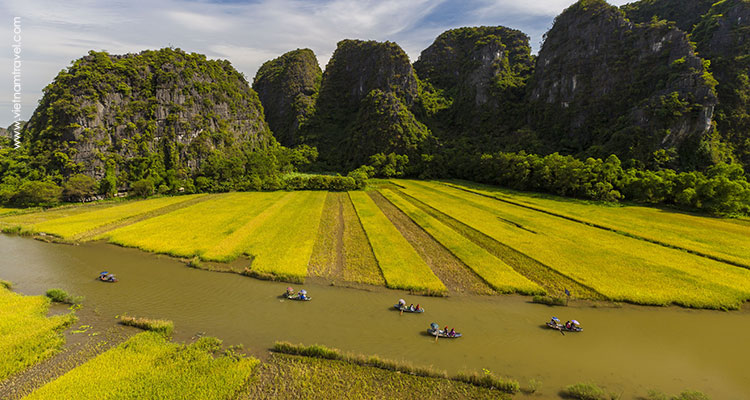
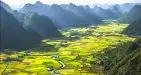
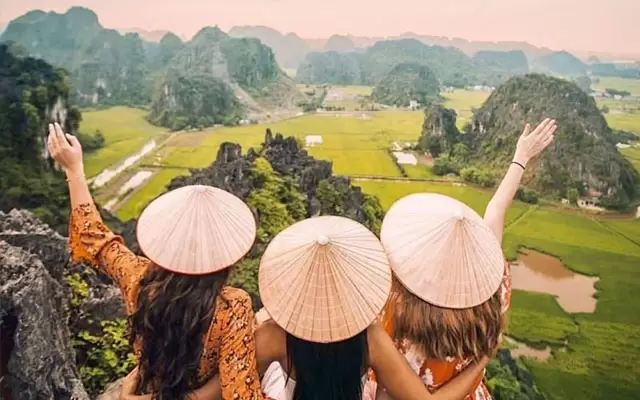
Panoramic view of the lush Tam Coc rice fields and Ngo Dong River winding through limestone mountains in Ninh Binh, Vietnam.
Vietnam is primarily an agricultural country with a strong history in the cultivation of rice. In fact, it is thought that rice has been grown in Vietnam throughout its 4,000-year history. Around 80% of Vietnam’s population works in the rice fields or jobs related to growing, harvesting and the production of rice. Images of terraced green or golden rice fields have become synonymous with Vietnam.
Depending on the rainfall, most of areas in Vietnam yield two rice crops per year. The harvest season typically lasts from 3 weeks to one month, depending on the area. This article will provide harvesting times for the most popular areas, the best times to visit the rice fields, and helpful location pointers for your North Vietnam photography tour. Get your cameras ready!
Vietnam Rice Fields Harvest Season
If you are planning a photography trip or a scenic tour, knowing the exact Vietnam harvest season is crucial for your itinerary. The best time to see the iconic golden rice terraces in Northern Vietnam is generally from late August to early October. However, lower delta regions have entirely different agricultural cycles.
Here is a quick summary of the green (growing) and golden (harvest) seasons for Vietnam’s top 10 most beautiful rice fields:
| Location | Green Season (Growing) | Golden/Harvest Season |
|---|---|---|
| Sapa | July – August | Late August – Late September |
| Mu Cang Chai | July – August | Mid-September – Early October |
| Hoang Su Phi | July – August | September – October |
| Y Ty | July – August | September – Early October |
| Bac Son Valley | July – August | September |
| Mai Chau | June – July | Mid-August |
| Tam Coc (Ninh Binh) | March – April | First three weeks of May |
| Hai Duong | Mar – Apr & Jul – Aug | May & September (Two crops) |
| Thai Binh | Mar – Apr & Jul – Aug | May & September (Two crops) |
| Mekong Delta | May – July | August (Main summer harvest) |
1. Rice Fields in Tam Coc
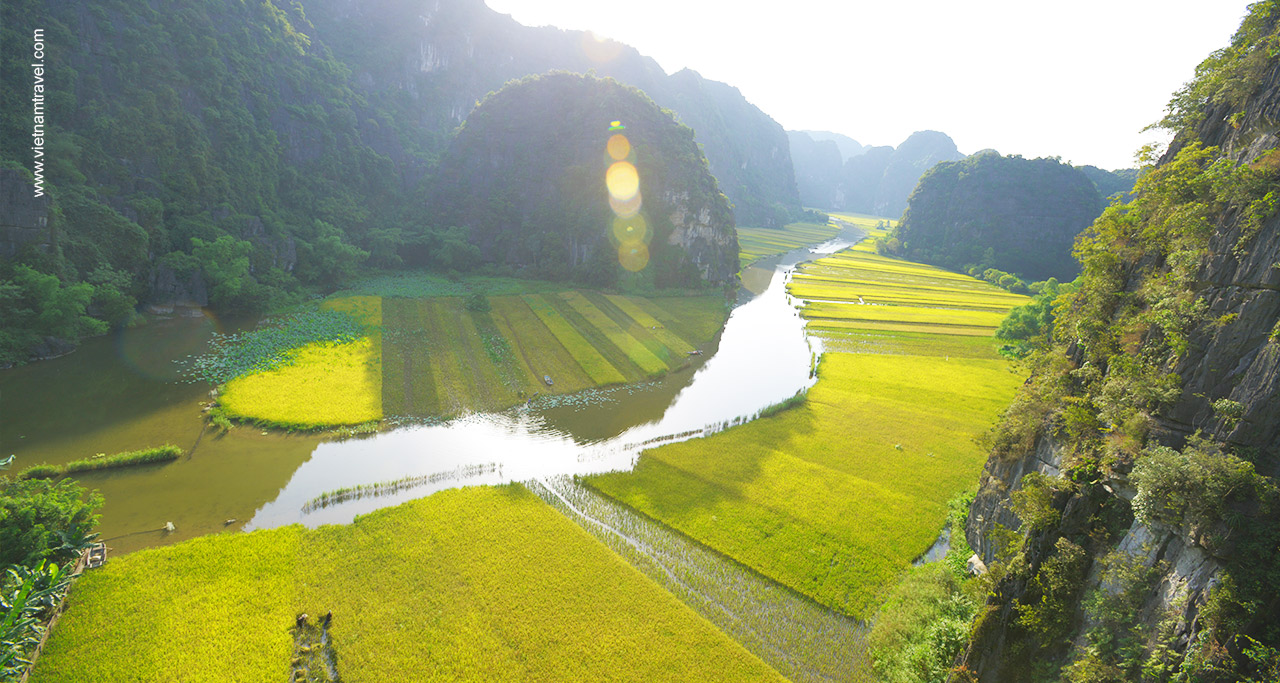
Panorama view of rice fields and limestone rocks in Tam Coc, Ninh Binh.
The beautiful area of Tam Coc is located only 90 kilometers south of Hanoi in the lush province of Ninh Binh. Although this area can be done in a day trip, Vietnam Travel suggests two days to fully enjoy and explore the caves, cruise the river and have time to take in the natural beauty (see Ninh Binh Excursion). Because water levels are high in Tam Coc, farmers must wait until levels lower in order to plant rice and the area only produces one crop of rice per year.
The best time to take photos of rice field in Tam Coc from first three weeks of May when the fields rice turn gold which indicates they are ready to harvest. To capture the best photos, use a drone or climb up to the mystical Mua Cave for the best views of the Ngo Dong River, limestone caves and karstic rock formations.
2. Rice Fields in Bac Son Valley
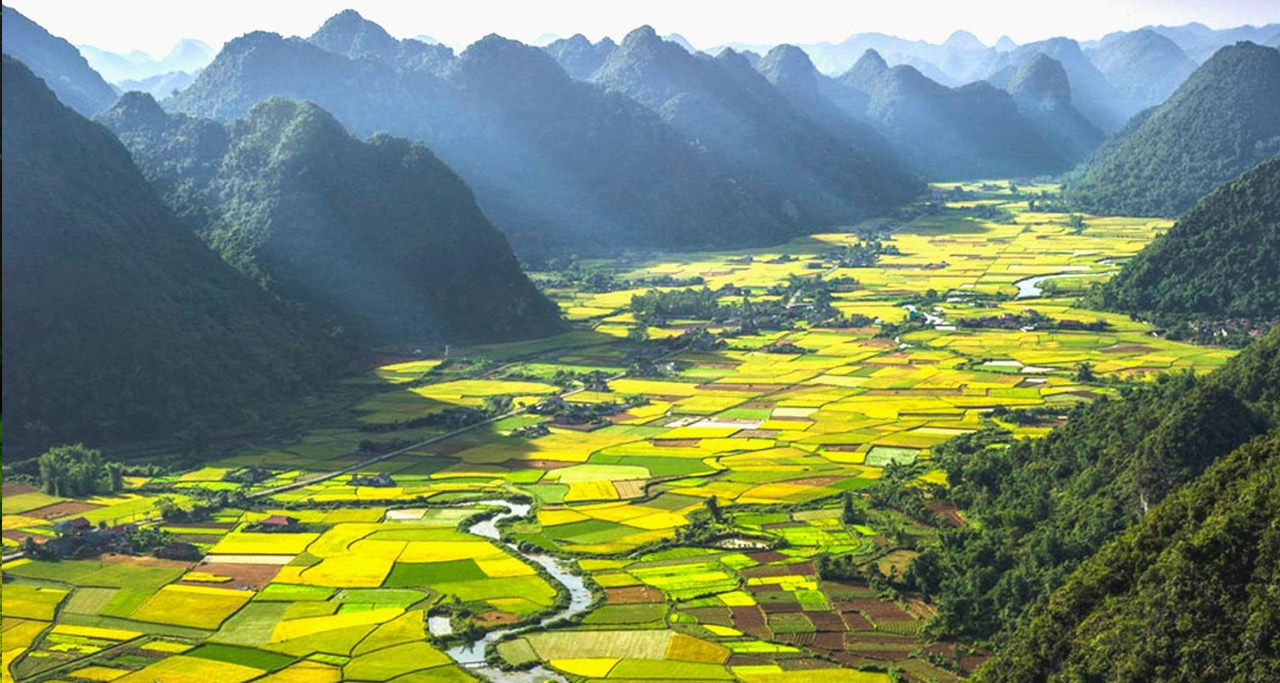
Rice fields sit within the immense Bac Son Valley, serving to create poetic and peaceful scenery.
Bac Son, known as the Valley of Sunshine, is located about 250 kilometers south of Hanoi. There is a new highway, number 7, which makes the trip very comfortable and convenient. To fully enjoy the valley and all Bac Son has to offer, a two day trip is recommended. Harvest takes place in September but besides the beautiful rice fields there is much to see and do here. Trek through the villages of the Tay people, explore the caves, waterfalls and learn about the culture of the local people. For a truly unique experience, consider a homestay with a local family to really experience the destination to its fullest!
For the best photographs, hike to Viba Peak, about 600 meters high for a spectacular view of the entire valley.
Don’t forget to taste some homemade rice wine and “cheers” with local family. Below is footage that Vietnam Travel Media made in Quynh Son, Bac Son in June 2020.
3. Sapa Rice Terraces: The Best Time to Visit & Where to Trek
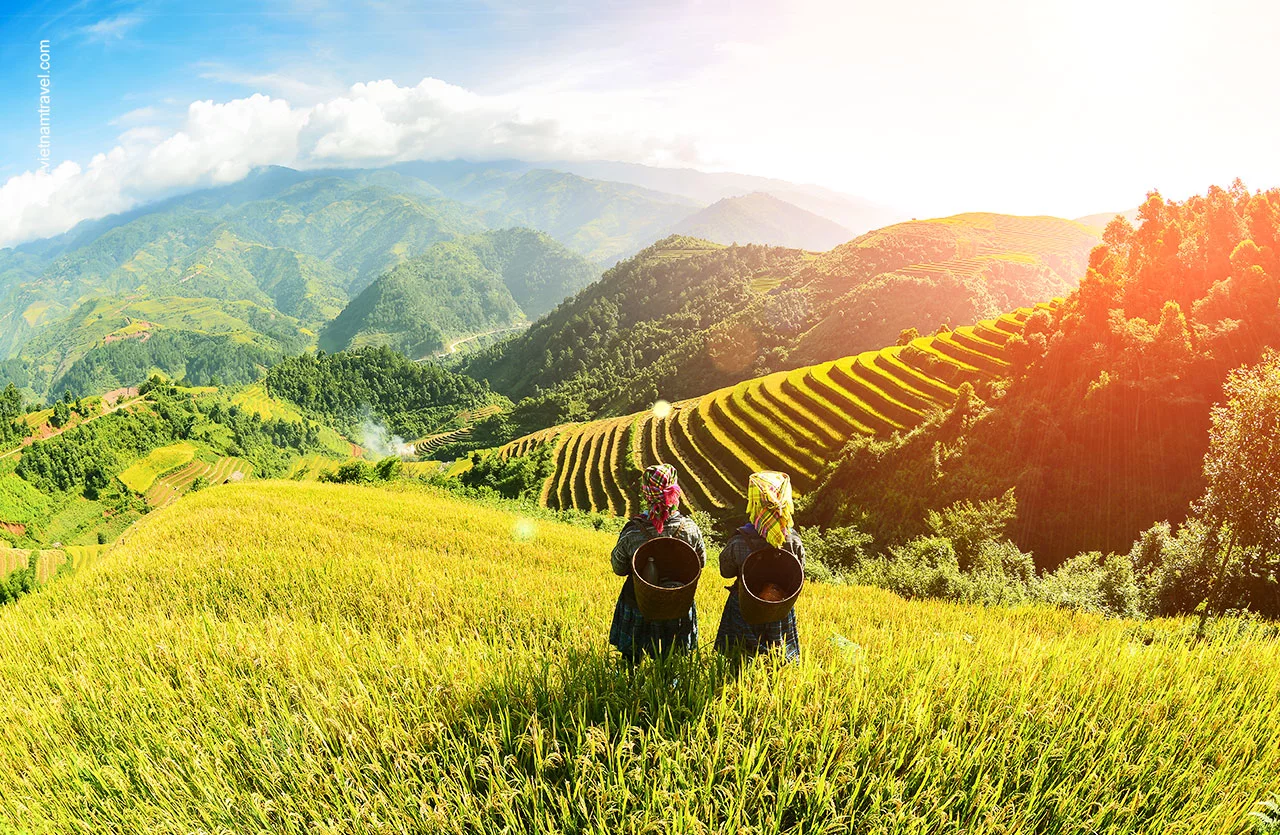
Great views of the vibrant rice terraces in Muong Hoa Valley, a must-do in Sapa.
One of the top and most intriguing destinations in Vietnam is the mountainous area of Sapa. Mount Fansipan, the highest peak in Vietnam, reaches more than 3,140 meters above sea level. What once used to be a grueling trek up to the peak can now be visited by a scenic cable car. Sapa is particularly interesting for photographers because it is home to more than a dozen different hill tribe ethnic groups. Capturing the colorfully dressed ethnic minorities, such as the Red Dzao and the Hmong, working on the steep terraced fields makes for the most stunning, award-winning photographs.
Best Time to Visit Sapa Rice Terraces: Sapa is an area that doesn’t get a whole lot of rain, and for this reason, yields only one rice crop per year. The highly anticipated Sapa harvest season runs from the last week of August to the last week of September. For the absolute best golden lighting and fully ripened yellow fields, mid-September is the prime time for photography.
How to Get from Hanoi to Sapa: As a major tourist hub, Sapa is highly accessible from Hanoi. Choose the option that best fits your gear and schedule:
- Luxury Limousine Van: The most popular and convenient option. It takes about 5.5 to 6 hours via the new highway, dropping you directly in Sapa town.
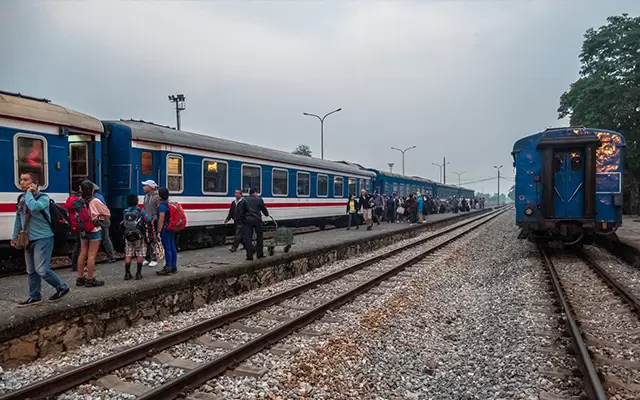
- Overnight Sleeper Train: A classic, romantic journey taking 8 hours to Lao Cai station, followed by a 50-minute winding bus or taxi ride up the mountain to Sapa. Great for saving a night of accommodation.
- Private Car: Ideal for photographers carrying bulky equipment, allowing flexible stops along the mountain passes.
Where to Trek for the Best Photos: The best way to see the area is to spend three to five days exploring the surrounding valleys by renting a jeep, motorbike, or trekking. Here are the five routes we highly recommend:
- Route 1: Sapa – Cat Cat – Sin Chai (closest to the town, but can be crowded).
- Route 2: Sapa – Y Linh Ho – Lao Chai – Ta Van (the most popular trekking route with expansive views of Muong Hoa Valley).
- Route 3: Sapa – Sa Seng – Hau Thao (less touristic, highly recommended for golden hour and sunset shots).
- Route 4: Sapa – Thanh Kim (close to Topas Ecolodge, less visited, and highly recommended for biking in North Vietnam).
- Route 5: Sapa – Ban Khoang – Ta Giang Phinh (best to combine with visits to the Silver Waterfalls and Tram Ton Pass, offering raw, uncrowded landscapes).
Weather Warnings & Quick Tips
- Weather Warning: Sapa is famous for experiencing “four seasons in one day.” Dense fog can roll in unexpectedly and ruin visibility. Bring warm layers, as evenings in September can get chilly, and always pack a dry bag for your camera.
- Drone Photography: Flying drones in Sapa is spectacular, but be mindful of strong mountain winds and always ask for permission if flying directly over local villages to respect their privacy.
Worried about the crowds ruining your shots? Allow one of our private local guides to take you off the beaten path. Join our custom tours to meet friendly locals, visit their farms, and capture authentic moments not shared by mass tours. Contact us to design your perfect Sapa itinerary!
4. Mu Cang Chai Rice Terraces: Chasing the Harvest Season

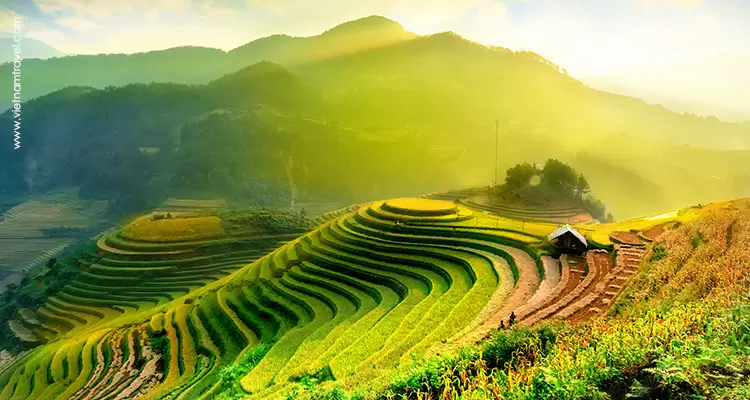
For the most beautiful stunning terraced rice fields, Mu Cang Chai is a must see!
Situated in Yen Bai Province, roughly 300 kilometers northwest of Hanoi, Mu Cang Chai boasts some of the most dramatic and steep terraced rice fields in Asia. Because it is a remote mountainous district, a three-day trip is highly recommended to fully capture its sheer natural beauty.
Best Time to Visit Mu Cang Chai: The ultimate Mu Cang Chai harvest season occurs from mid-September to early October. During this short window, the entire valley turns into a vibrant golden yellow. If you prefer capturing the reflective “water-pouring” season, plan your visit for late May to June when farmers flood the fields for planting.
How to Get from Hanoi to Mu Cang Chai: There are several ways to reach this photographer’s heaven:
- Private Car (Highly Recommended): Takes about 7 hours. This is the best option for photographers, allowing you the freedom to pull over at scenic viewpoints like Khau Pha Pass for spontaneous drone flights and landscape shots.
- Sleeper Bus: Direct buses depart from My Dinh Bus Station in Hanoi and drop you right in Mu Cang Chai town. It is budget-friendly but offers no photo stops.
- Train & Local Bus: You can take a train from Hanoi to Yen Bai City, then catch a local bus to Mu Cang Chai. This is a longer journey and not ideal if you are carrying heavy camera gear.
Weather Warnings & Quick Tips
- Weather Warning: September is stunning but can be prone to sudden rain showers and occasional tropical storms. Always pack waterproof covers for your camera equipment and check local weather apps daily.
- Book Early: Harvest season draws massive crowds of local tourists and photographers. Accommodation is limited, so you must book your homestays and meals months in advance.
- Top Photo Spots: Do not miss Mam Xoi Hill (Raspberry Hill) and Mong Ngua (Horseshoe Hill) during the golden hour for the most iconic shots.
Planning a photo trip in September? Our North Vietnam Photography Tour secures your transport, permits, and homestays during the busy harvest season, letting you focus purely on capturing the perfect shot.
5. Rice Paddies in Hoang Su Phi
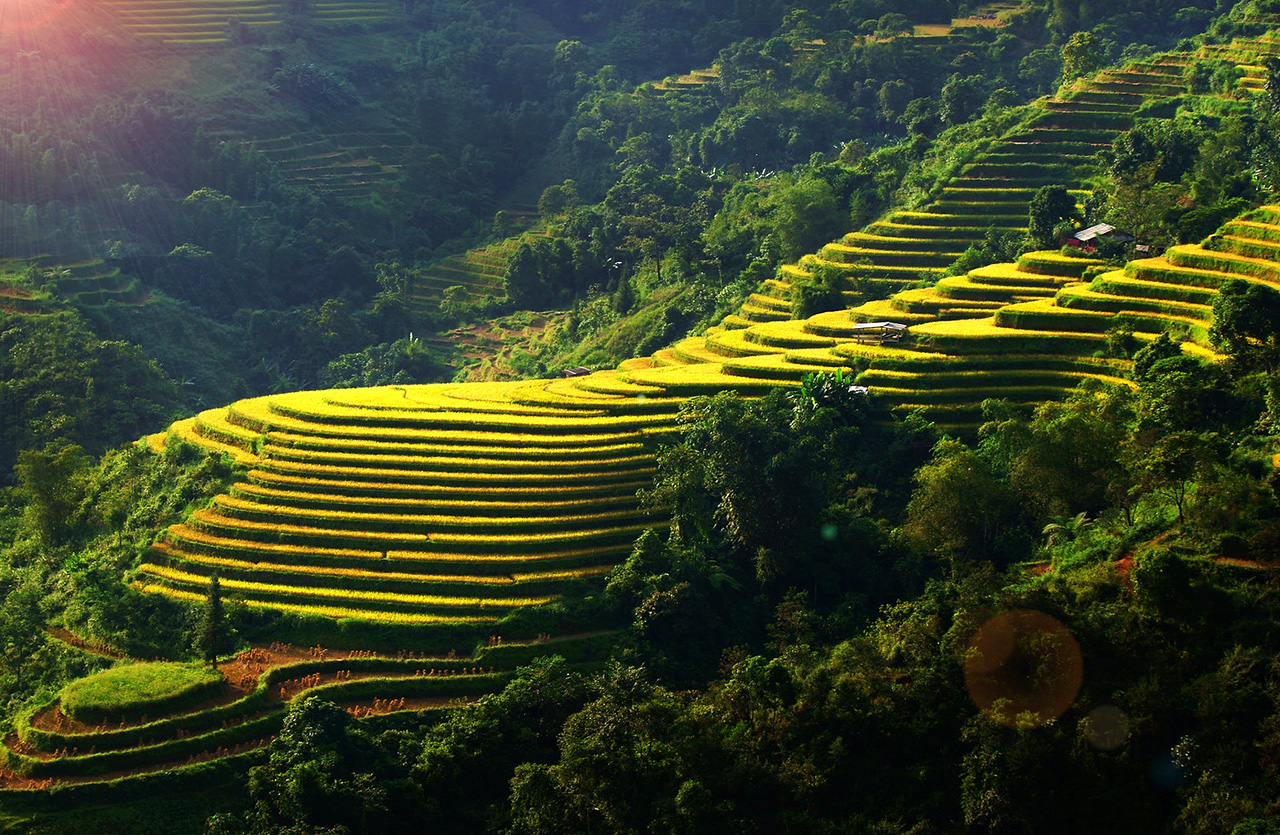
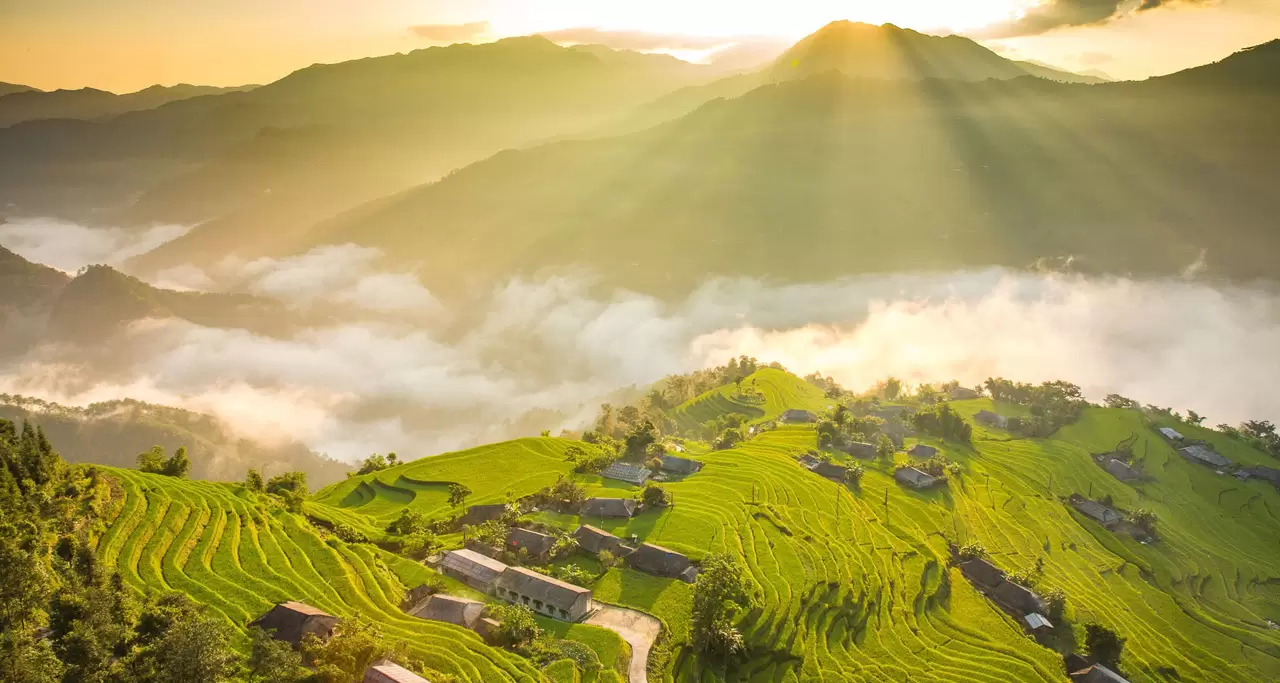
The epic landscape of the rice fields in Hoang Su Phi, Ha Giang.
Located about 300km away from Hanoi, the unique terrain of Hoang Su Phi can be found. With green forests, deep valleys and steep mountains, the diverse geography of the area offers spectacular views of mother nature’s creation.
Due to the high terrain of Hoang Su Phi, cultivating crops has not been easy for the local people; hence the terraced hillsides. The serene terraced hills are also home of twelve different ethnic minority groups. Crops grow once a year in this region and the ideal way to explore is to hike through the hills to capture local life against the clear blue sky. Rice begins to ripen in the autumn which creates weaving shades of green and yellow. The colors, festivals and crops are a photographer’s feast for the eyes!
Tourists coming to Hoang Su Phi often combine their visit with Ha Giang’s highlights such as Dong Van Karst Plateau Geopark, Lung Cu Flag Tower, Quan Ba Twin Mountains and Ma Pi Leng Pass. The much less visited area of Ha Giang is an attractive cultural destination offering beautiful and spectacular scenery. There are many undiscovered places waiting you to see and to grab nice photos. If you love adventure, get off the beaten track and explore the hidden charms of the country for a real life experience in this North Vietnam Grand Adventure tour package (11 Days) as it brings you to heavenly striking terraces and green gardens, including Hoang Su Phi.
6. Rice Terraces in Y Ty
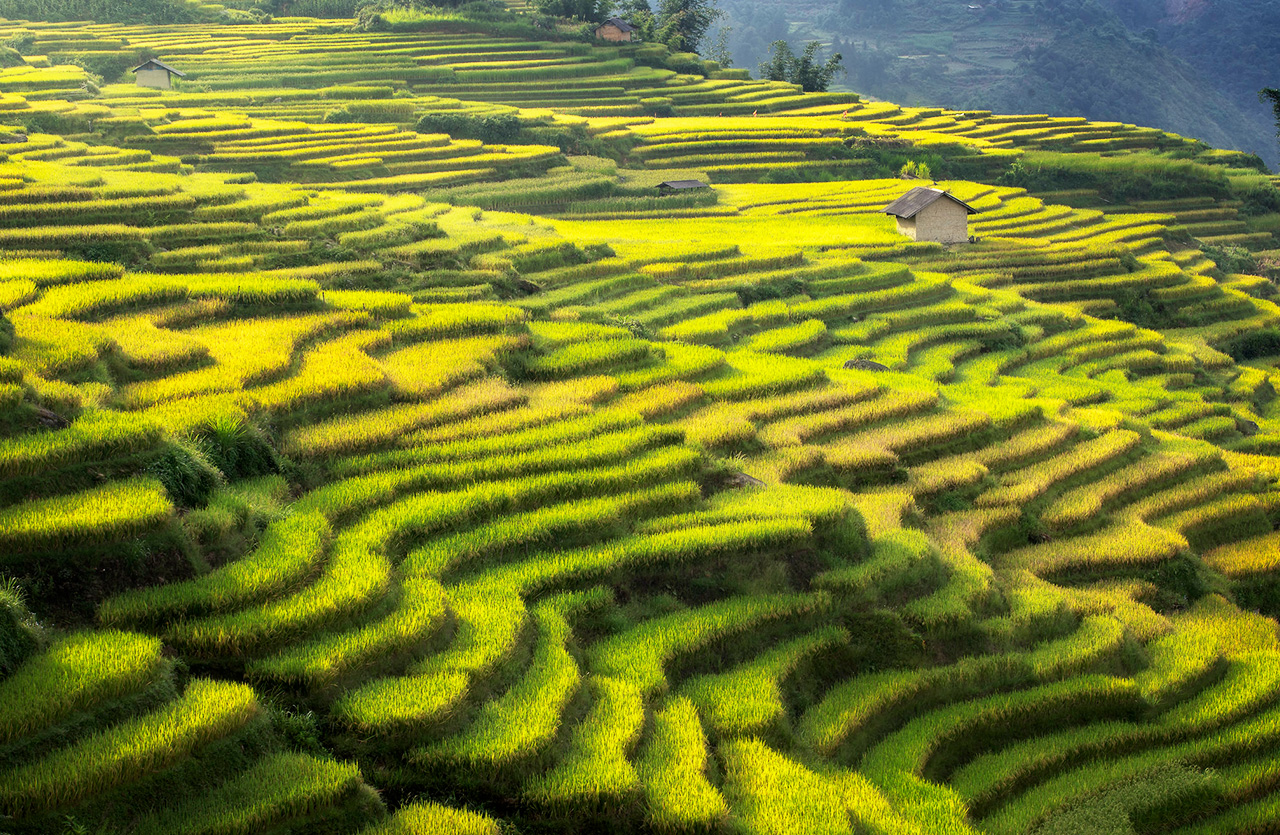
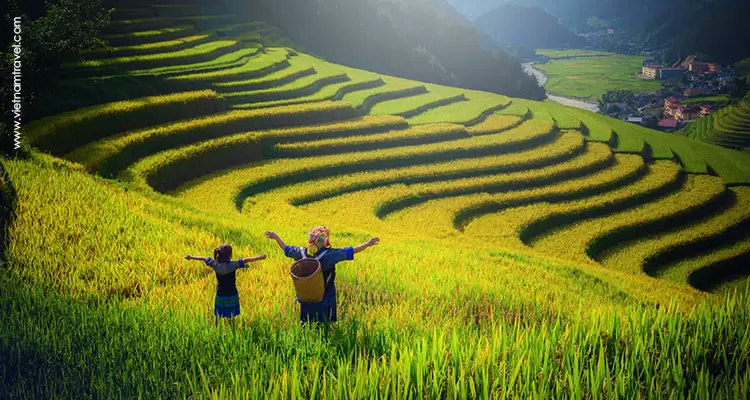
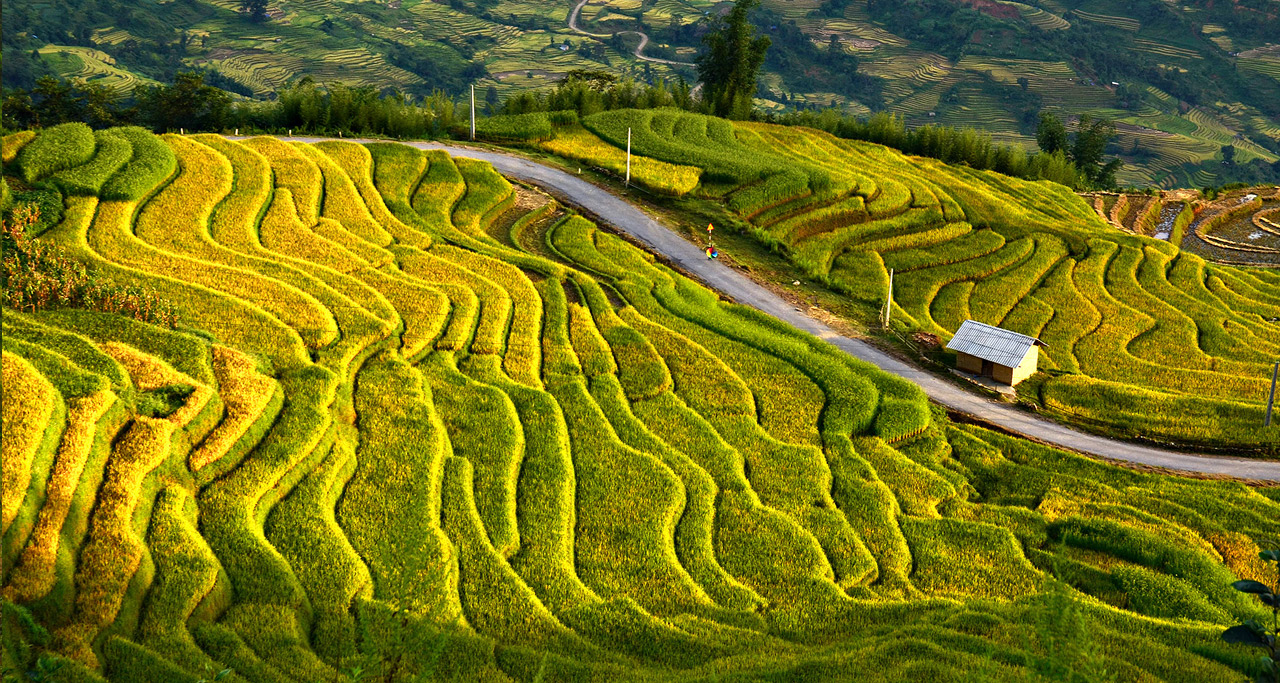
Y Ty is a charming option for a glimpse of the golden paddy fields.
Roughly 7 hours from Hanoi is Y Ty , a mountainous village of Bat Xat District, located in the Lao Cai Province. This is an ideal destination to combine with Sapa or Bac Ha for a memorable four-day trip into the Hill Tribe country.
Y Ty (or Y Ti) is home of the Hmong, Dzao, Giay, Ha Nhi – the hill tribe with most the beautiful and colorful dress in Vietnam. If you are passionate about capturing the colors of North Vietnam, the vibrant traditional dresses contrasted against the mountains, blue sky, and rice fields make this a photographer’s heaven. The trip to Y Ty has even more to offer besides stunning photographs.
For generation after generation, the Hmong people have been building these terraces in order to utilize the land to grow their rice. When you visit, learn the secret Hmong technique of how they build and equally irrigate these terraces. These techniques help make the location not only unique but truly beautiful. Harvest takes place for a month from Sept till beginning of October.
7. Rice Fields in Mai Chau
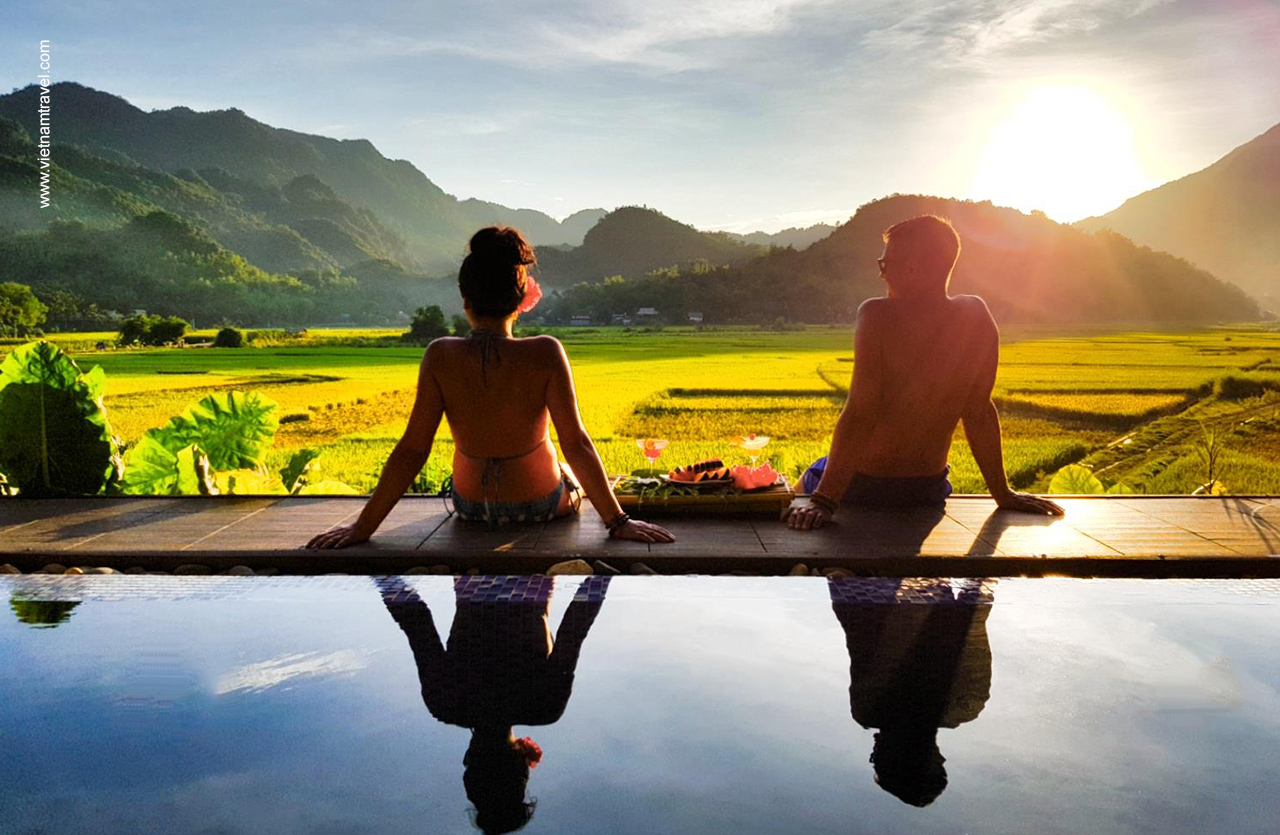
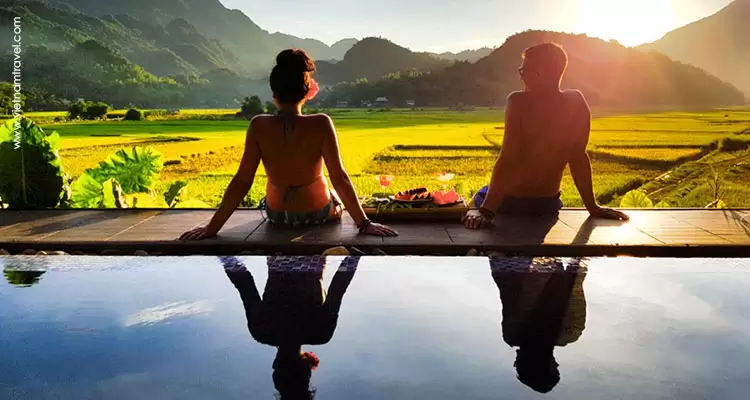
Tourists relaxing on swimming pool with panorama view to rice fields in Mai Chau, Hoa Binh Province.
Located about 146km or roughly about a 3-hour drive from Hanoi, drive through some of the most picturesque mountains and rolling hills on your way to Mai Chau. Although both Ban Lac and Pom Coong are gaining popularity with tourists, a Vietnam Travel driver and guide can show you the hidden gems away from the usual tourist path. Our guides are experts in the area and strive to provide most authentic and memorable experiences.
The best time to visit and photograph the rice fields is in mid-August. The season lasts for two weeks and these fields and tiny Thai villages are not to be missed by any lover of photography!
8. Rice Fields in Hai Duong
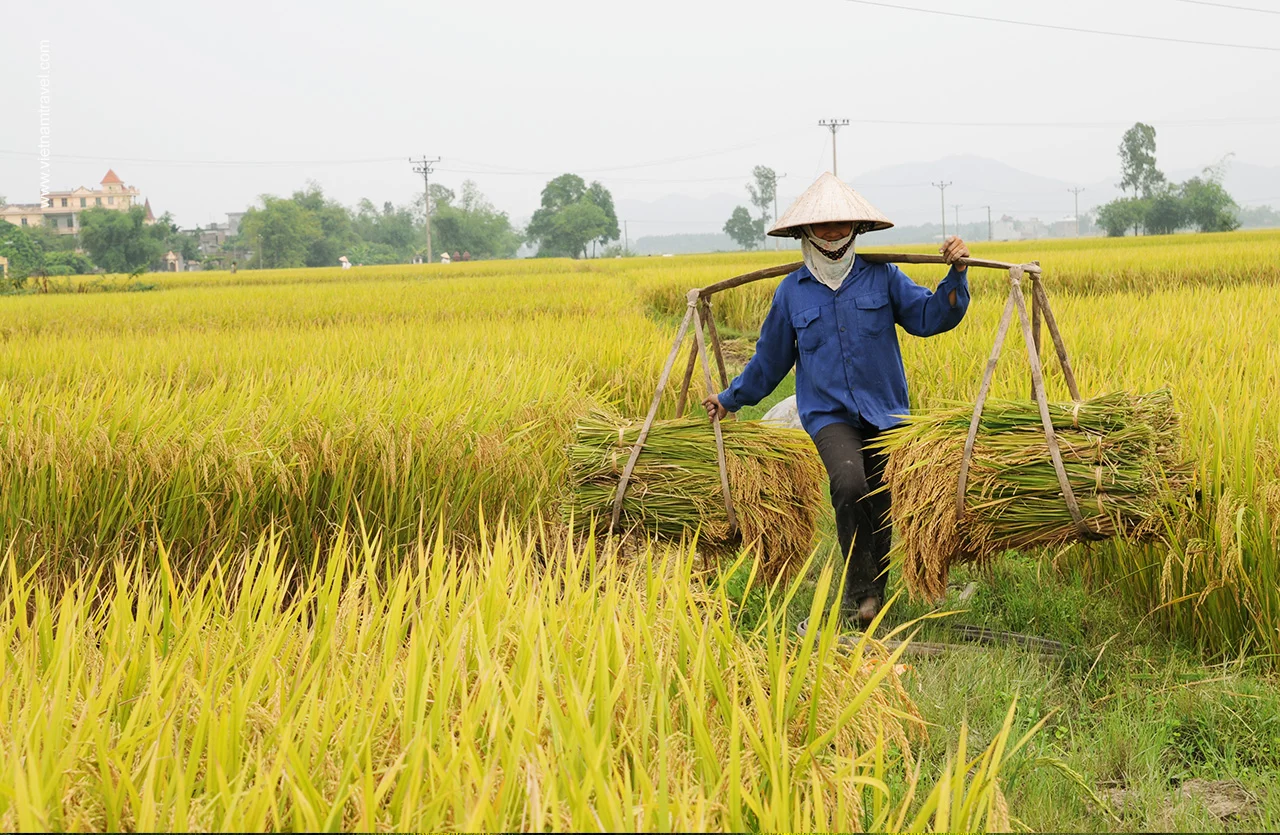
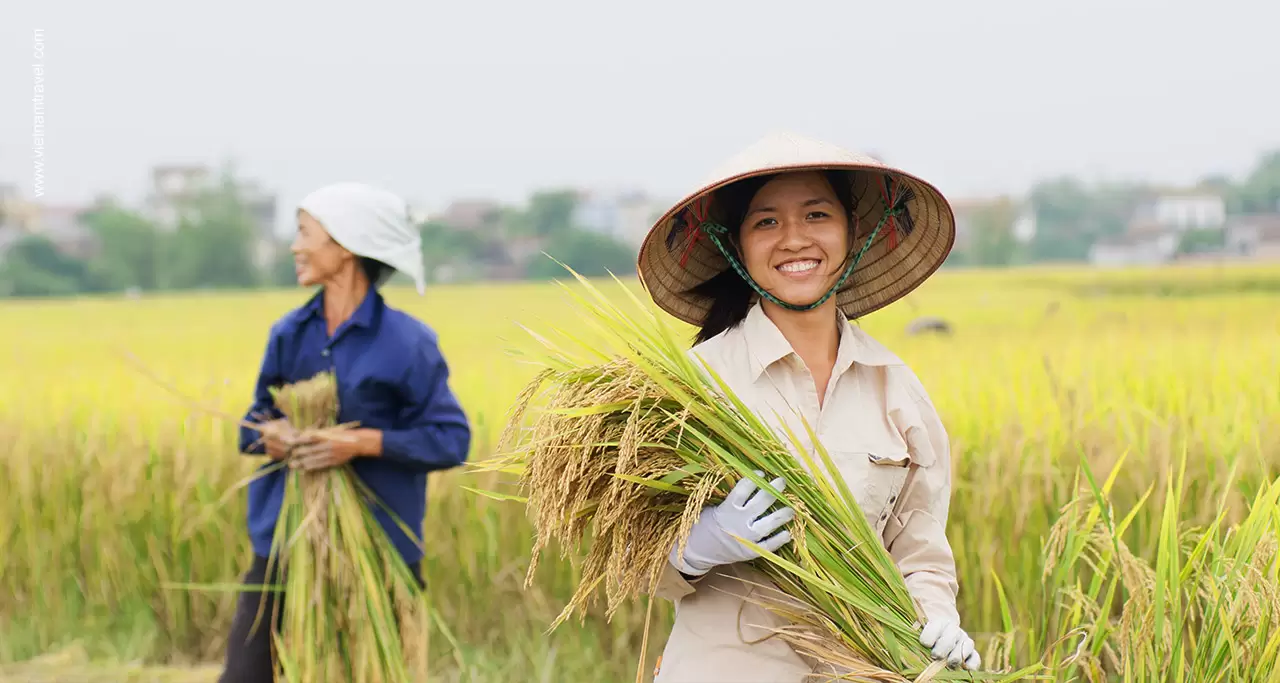
Picture of a farmer harvesting on rice field in Hai Duong.
Hai Duong, a province lying between Hanoi and Hai Phong City, so rich in history and culture, officially dates back to 1498. The Sino-Vietnamese name meaning, “Ocean Sun” has produced many scholars throughout the years and therefore has become known as a “Doctoral Village”.
Along with its long history, Hai Duong is also known for its rich culture, many festivals, traditional theatre, and places of importance such as the Mao Dien Temple of Literature. In fact, it even boasts Kiep Bac Temple located on the path of a pilgrimage from Thang Long to Yen Tu Buddhist Holy Land.
The festivals that take place in the area are perfect for anyone interested in Vietnam photography, especially the event that takes place at the famous Kiep Bac Temple in Autumn. Enjoy local specialties such as green bean cakes and lychees to local craft villages, you and your camera will not be disappointed!
The area of Hai Duong is conveniently located along the expressway between Hanoi and Halong Bay (or Cat Ba Island) or the old National Highway 18. The location offers a perfect opportunity to make a combined stop en route to visit the flat deltas of northern Vietnam. Rice fields in this area produce two crops per year. The “golden seasons” or harvest takes place in May and September but watching locals plough their crops using water buffalos is equally impressive during January/February and June. A stop here to interact with the local farmers and try your hand at harvesting is an experience you won’t forget!
9. Rice Fields in Thai Binh
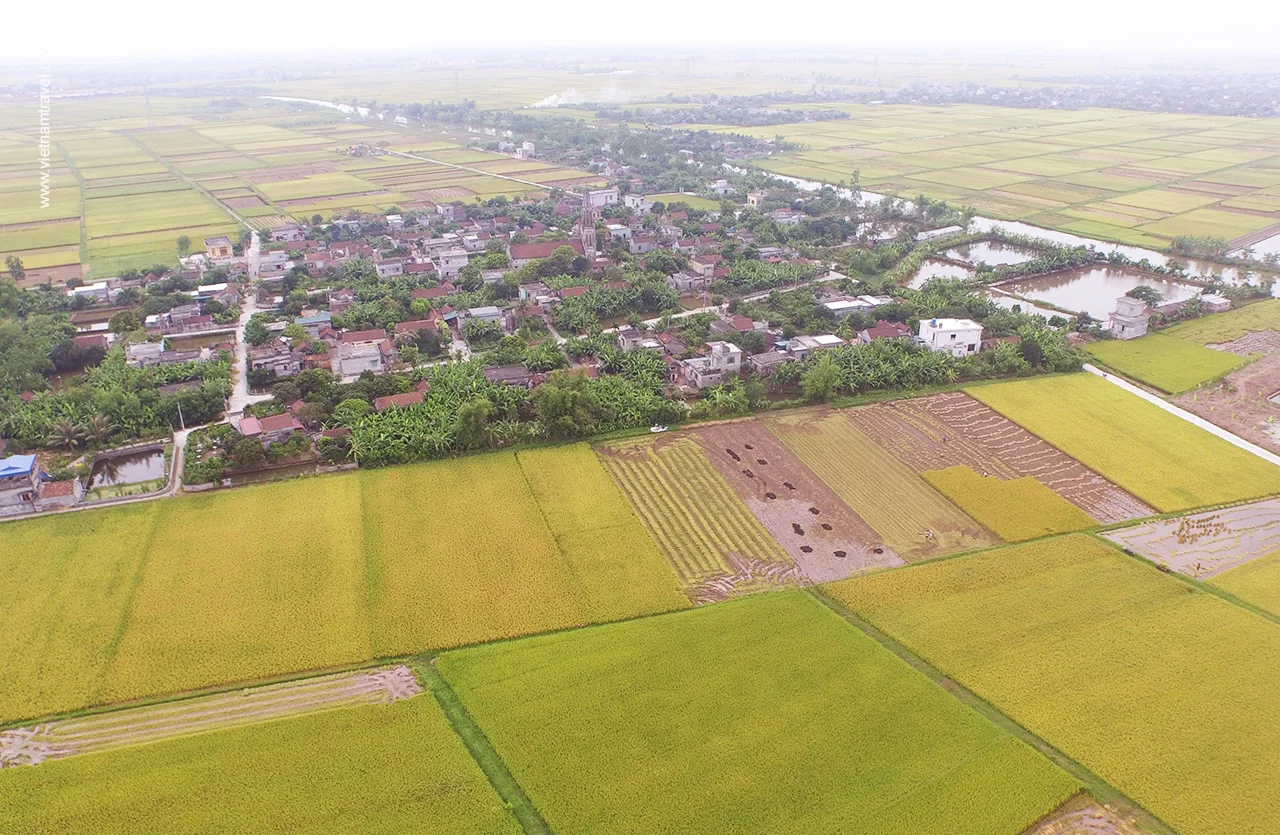
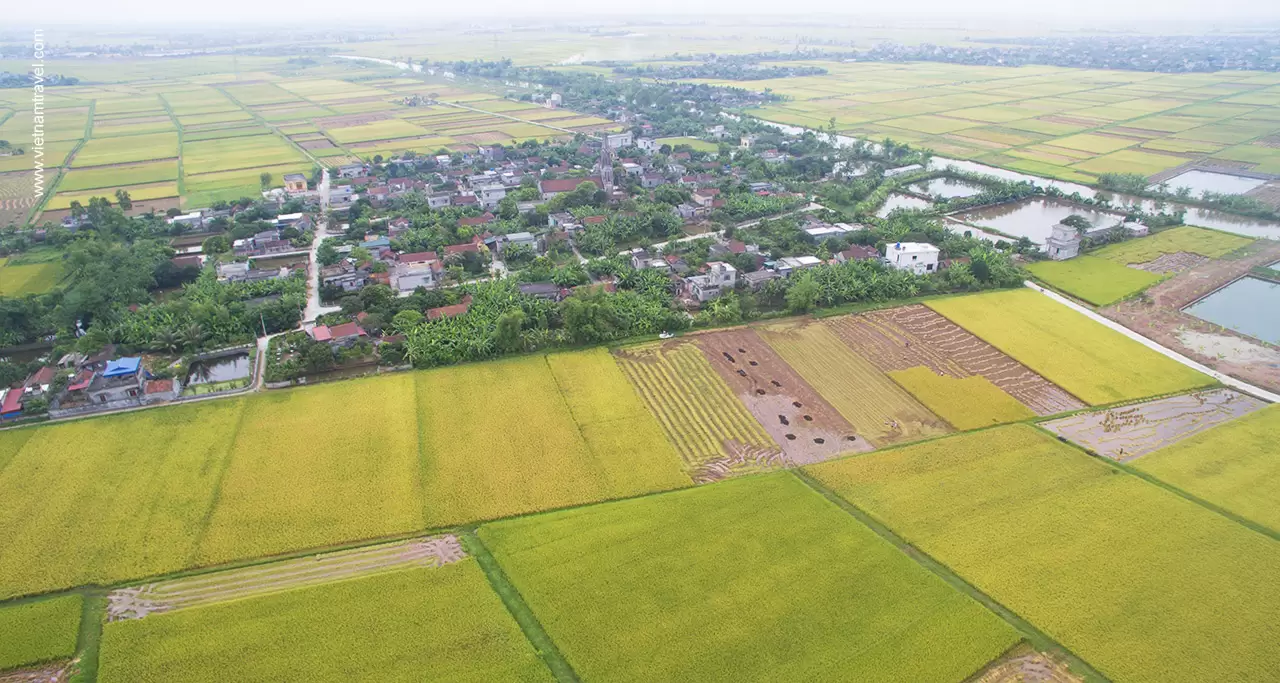
Nestled in the Red River Delta, Thai Binh Province is known for vast rice fields made fertile by the alluvium of the Red River.
Thai Binh is considered the rice basket and number one producer of rice in Vietnam. Due to the high production in this region, Vietnam is the second largest exporter of rice in the world. Thai Binh is located midway between Ninh Binh (home to poetic Tam Coc & Trang An Scenic Landscape Complex) and Hai Phong Port and makes for a perfectly combined stop on your way to Halong Bay. What is unique about the rice fields this region compared to Sapa or Y Ti, is that they are completely flat with no mountains at all. Vast rice fields along the Red River Delta is a must stop on your journey to Halong Bay.
10. Rice Fields in Mekong Delta
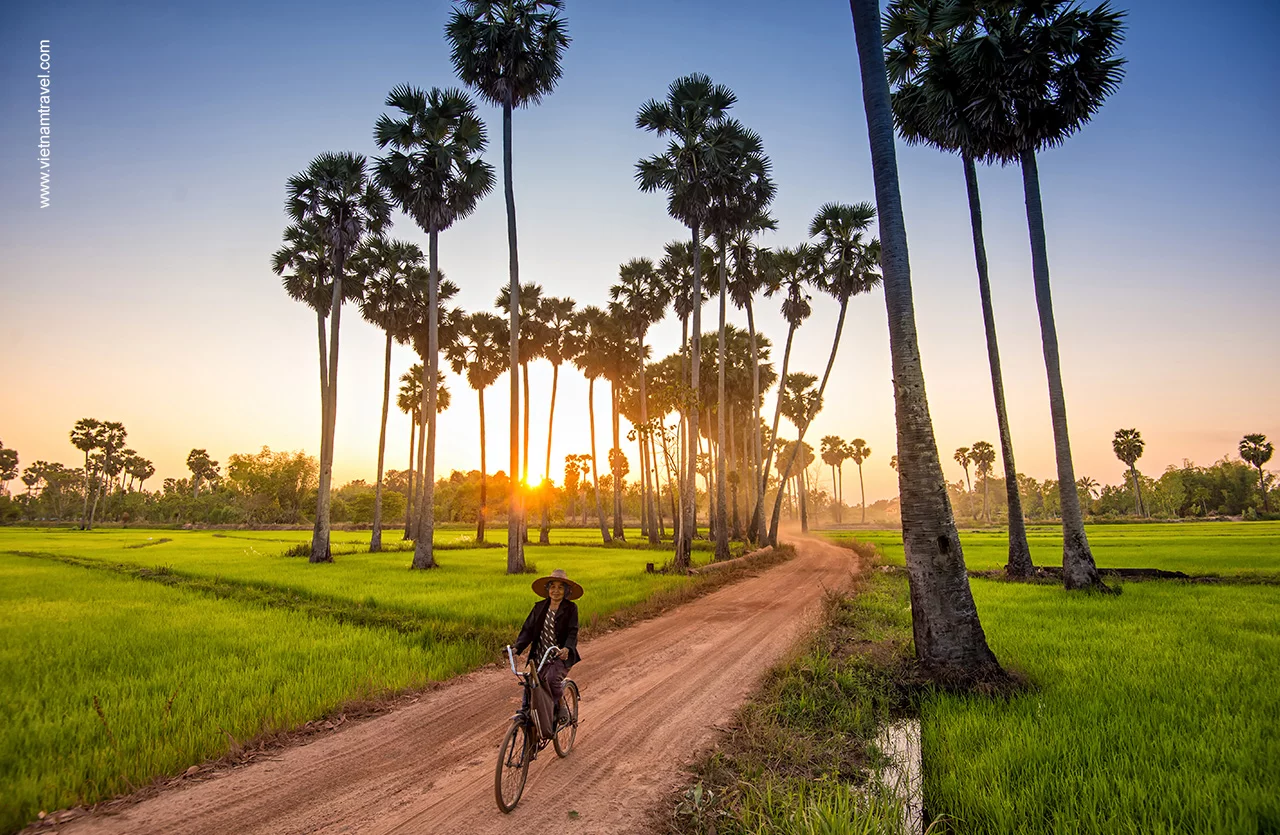
The Mekong River Delta is the rice basket of Vietnam, providing the sustenance for millions.
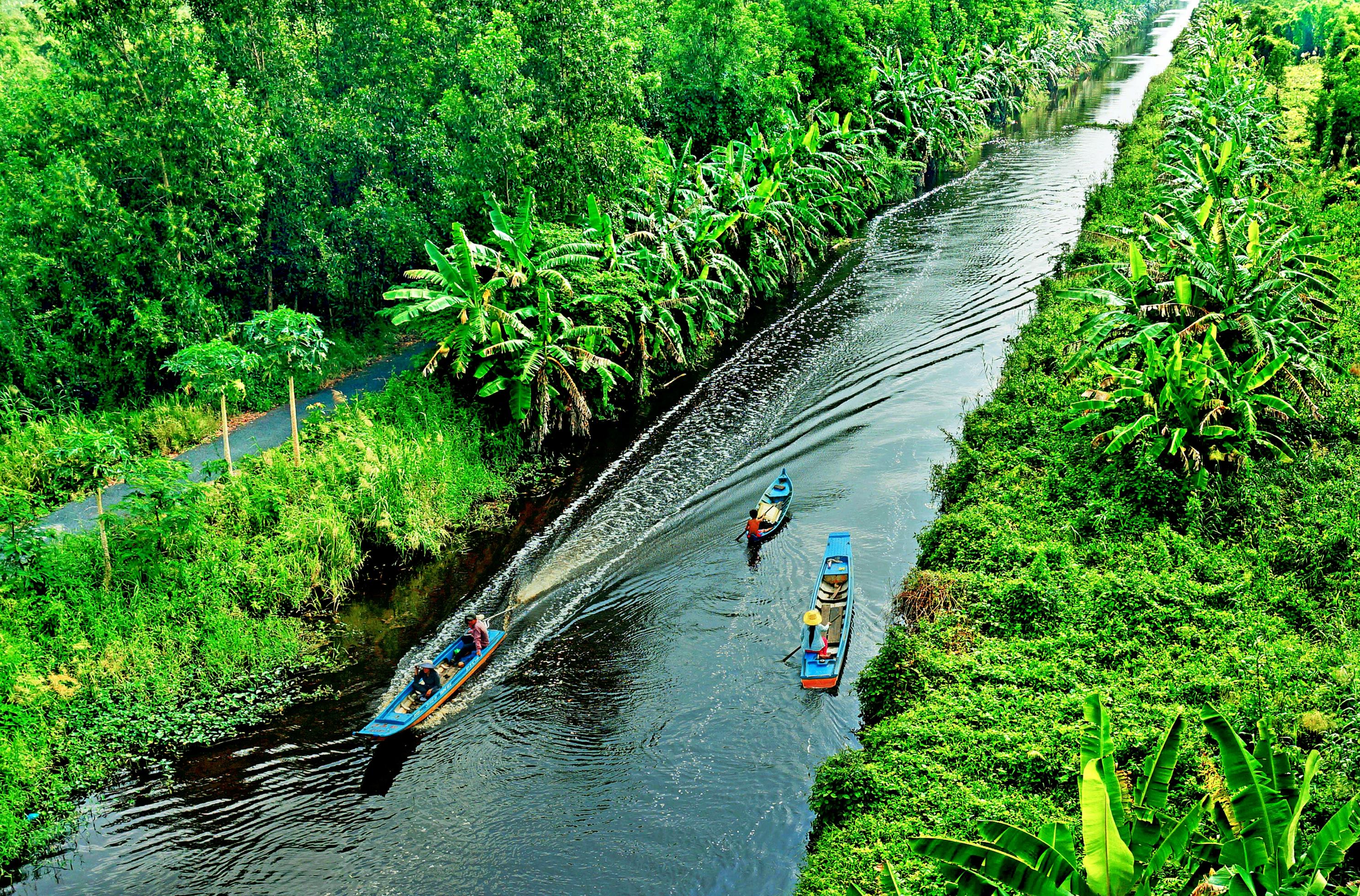
The Mekong Delta is a large area which comprises of six provinces located along the mighty river. This is were the myriad of rice field colors can be seen. The best time for photography is during May (when farmers water the fields) and the August harvest but the area attracts visitors all year long. The various stages of the rice fields from freshly plowed, deep green to glistening golden threads are a feast for the eyes.
To enjoy the best views of the rice fields, hike up Co To mountain, the third longest mountain in the range of Seven Mountains (with 5,800 meters in length and 614 meters in height). The region offers so much to see from peaceful Khmer Temples to local life along the mighty Mekong. Don’t forget that it is easy to travel between Vietnam & Cambodia via the Mekong River and its delta region where you could stop and get best photos of rice fields.
For more details, please contact Vietnam Travel and a local expert will reply within 24 hours. See you in Vietnam!
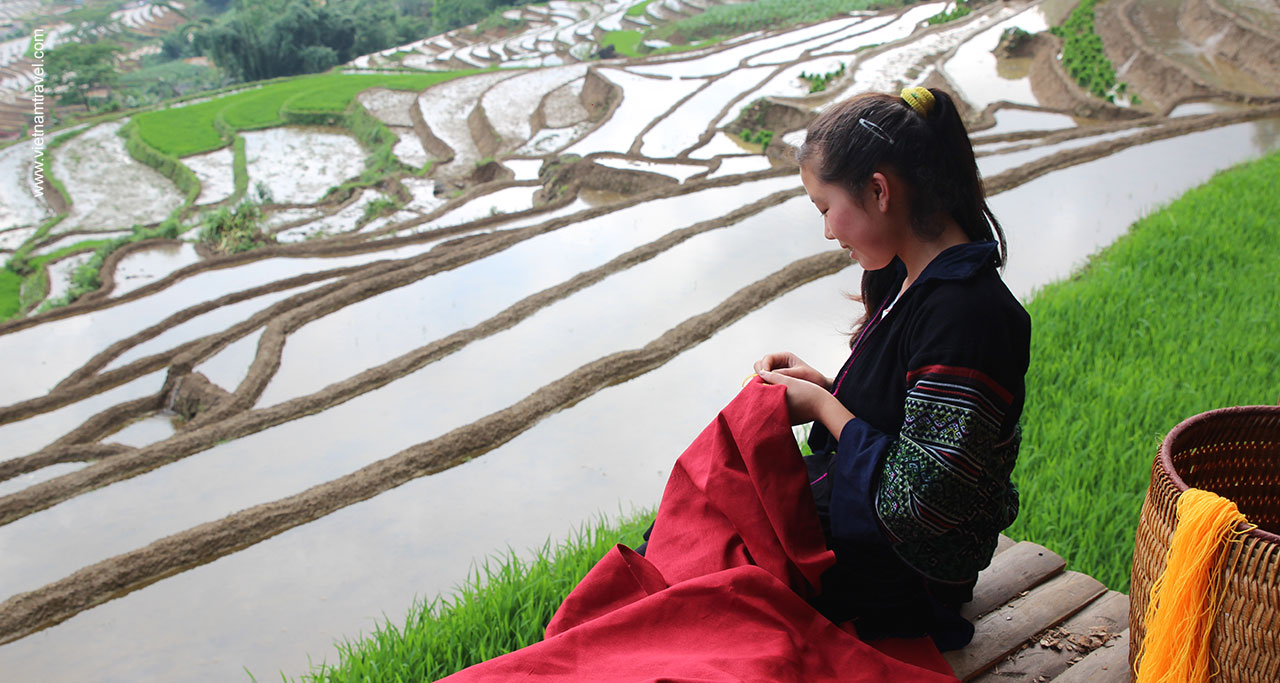
A lot of water is needed during the planting process on the rice fields.
Rice fields in Ninh Binh captured by Vietnam Travel staff:
Frequently Asked Questions About Vietnam Rice Fields
What is the absolute best month to see golden rice terraces in Vietnam?
September is the ultimate month to capture the golden harvest in Northern mountainous regions like Sapa, Mu Cang Chai, and Hoang Su Phi. If you are visiting the flat delta regions like Tam Coc or Thai Binh, May is the peak golden month.
Can I see green or yellow rice terraces in Sapa during winter (December to February)?
No. The northern mountains yield only one crop per year. During winter, the terraces in Sapa and Mu Cang Chai are bare, brown, and often shrouded in thick fog. If you want to photograph green rice fields in winter, you must travel south to the Mekong Delta.
Sapa vs. Mu Cang Chai: Which is better for photography?
Sapa offers a beautiful mix of accessible terraces and diverse ethnic minority cultures, making it perfect for both portrait and landscape photography. Mu Cang Chai is more remote and rugged, boasting steeper, more dramatic terraces (like Raspberry Hill), ideal for dedicated landscape and drone photographers.
Do I need a permit to fly a drone over Vietnam’s rice fields?
While strict drone laws exist in Vietnam, flying small consumer drones over remote rural terraces like Mu Cang Chai is generally tolerated. However, you must strictly avoid flying near military zones, national borders (especially in Y Ty and Hoang Su Phi), and always respect the privacy of local villagers.
Is it safe to carry expensive camera gear during the trekking tours?
Yes, trekking in areas like Sapa and Mai Chau is generally very safe. However, the terrain can be muddy, steep, and slippery, and sudden rain is common. Always carry your equipment in a high-quality, weather-proof backpack and bring dry bags for extra protection.


Related Posts

Our Recommendations