Best Historical Sites in Vietnam
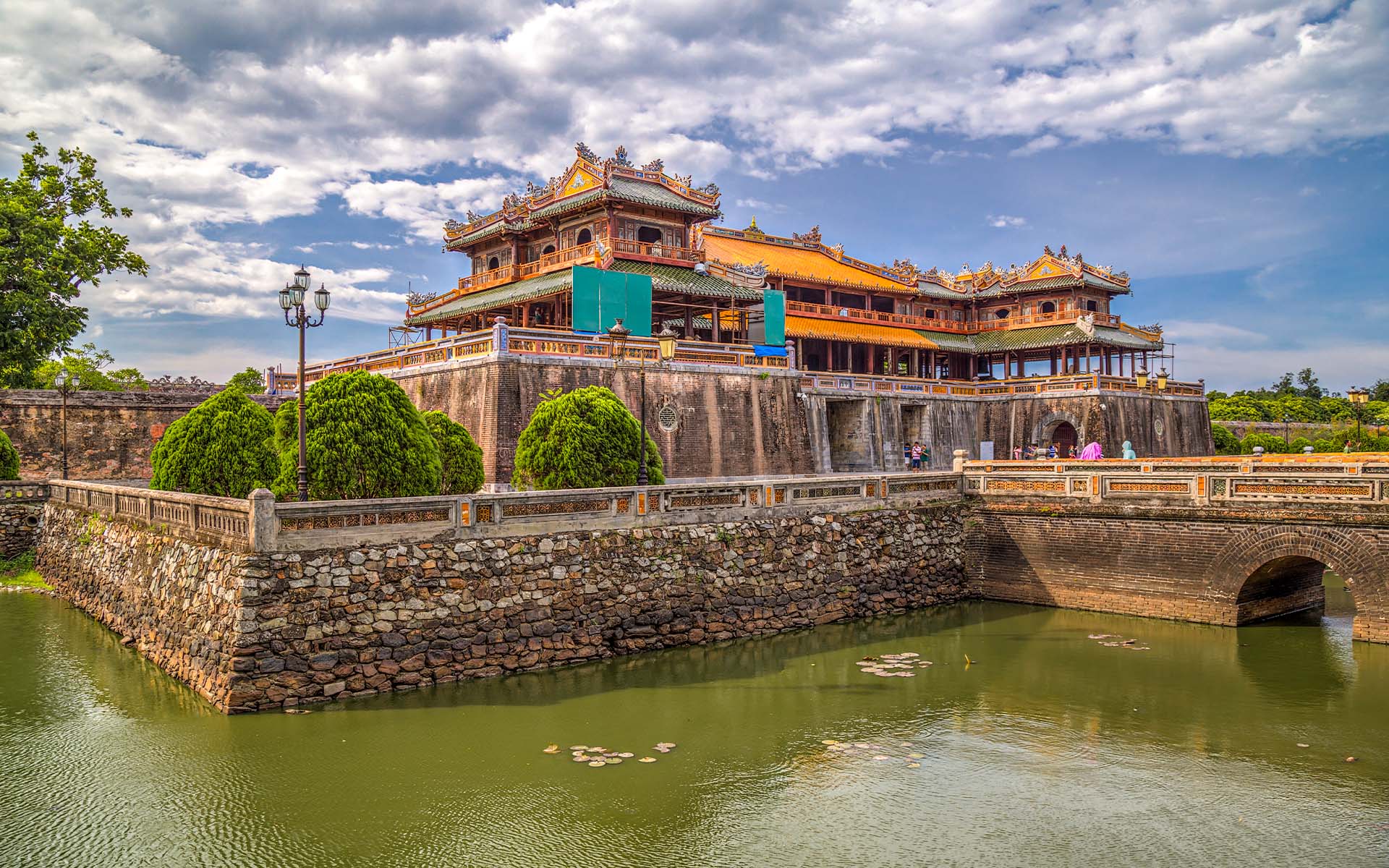
A panoramic view of Hue Royal Citadel, featuring its massive stone walls, historic gates, and traditional Vietnamese architecture — the former imperial capital and UNESCO World Heritage Site in central Vietnam.
Vietnam, a country rich in cultural heritage, offers a fascinating journey through its historical sites that captivate tourists from around the globe. From the ancient architecture of the Imperial City in Hue to the historical significance of the Cu Chi Tunnels, Vietnam’s historical sites provide a vivid tapestry of the nation’s storied past. These remarkable locations not only showcase the architectural prowess of bygone eras but also stand as testaments to the enduring spirit of the Vietnamese people. For those seeking to explore the depths of Vietnam’s history and culture, these sites are must-visit destinations, each contributing uniquely to the country’s thriving tourism industry.
This article will list many of the famous historical landmarks that attract tourists in Vietnam. With an itinerary stretching across this S-shaped country, you probably won’t be able to include all these historical places in your Vietnam itinerary, even if you spend 3 or 4 weeks here. But that’s okay – we are professionals in this field and we know what you need. Instead of trying to experience every place in this article, we will help you prioritize the ones you should put on your itinerary.
For history buffs interested in Vietnamese history, these are the sites you should visit to get an overview of the country’s rich history and its people:
- Hue Imperial Citadel (The Citadel): The former seat of Vietnamese emperors for over a century, boasting magnificent architecture and reflecting a rich history.
- Temple of Literature & National University: Confucian temple complex and Vietnam’s first university, offering a glimpse into Vietnam’s educational history.
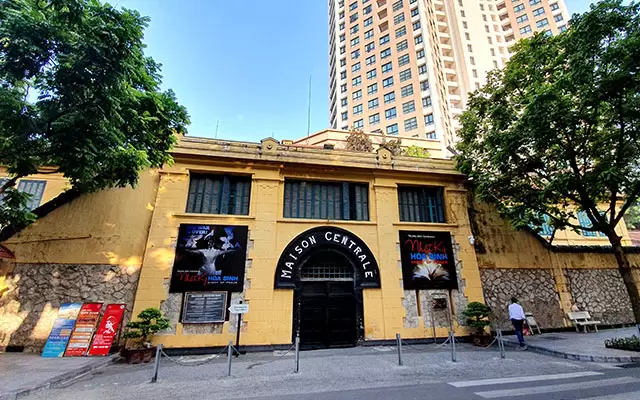
- Hoa Lo Prison (Hanoi Hilton): A former French prison used to house Vietnamese political prisoners, offering a look into the harsh realities of colonial rule.
- Ho Chi Minh Mausoleum: The final resting place of Ho Chi Minh, the revered leader of North Vietnam, and a pilgrimage site for many tourists.
- The Independence Palace (Reunification Palace): Former residence of the South Vietnamese president, now a museum showcasing the country’s turbulent 20th century.
- Mausoleum of Emperor Minh Mang: One of the grandest tombs in the Hue complex, showcasing the elaborate burial practices of Vietnamese emperors.
- My Son Cham Ruins: An ancient city of the Champa kingdom, showcasing impressive Hindu temples and providing insight into a lost civilization.
- Hoa Lu Ancient Capital: The seat of Vietnamese royalty in the 10th and 11th centuries, featuring remnants of palaces and temples.
- Hoi An Ancient Town: A UNESCO World Heritage Site known for its well-preserved architecture, reflecting a blend of Vietnamese, Chinese, and Japanese influences. While not solely focused on war or imperial history, Hoi An offers a glimpse into Vietnam’s rich cultural heritage.
- Phu Quoc Prison: A prison on Phu Quoc Island that was used by the South Vietnamese government to detain political prisoners during the Vietnam War. The prison is now a museum that exhibits the harsh conditions that prisoners faced.
- Con Dao Prison: A prison complex on Con Dao Island that was used by the French colonial authorities and later by the South Vietnamese government. The prison is now a museum that exhibits the artifacts and photographs from the time.
For those wanting to delve into the Vietnam War, these places are must-visits during your tour in Vietnam:
- Ho Chi Minh Trail: A network of trails used by North Vietnam to transport supplies and troops during the war.
- Cu Chi Tunnels: An intricate network of underground tunnels used by the Viet Cong for shelter and combat.
- Vietnam Demilitarized Zone (DMZ): The buffer zone that separated North and South Vietnam during the war.
- Khe Sanh Combat Base: A heavily fortified US Marine Corps base that was a major target of North Vietnamese attacks.
- My Lai Massacre: A tragic event where US troops killed unarmed Vietnamese civilians.
- War Remnants Museum: A museum in Ho Chi Minh City that exhibits artifacts and photographs depicting the realities of the war.
Hungry for even more Vietnamese history? Grab a pen and paper, because you’re in for a long and thrilling adventure! Don’t worry, the wait is over – dive into this comprehensive list of historical sites for travelers all across Vietnam:
Top Must-See Historical Sites in Vietnam
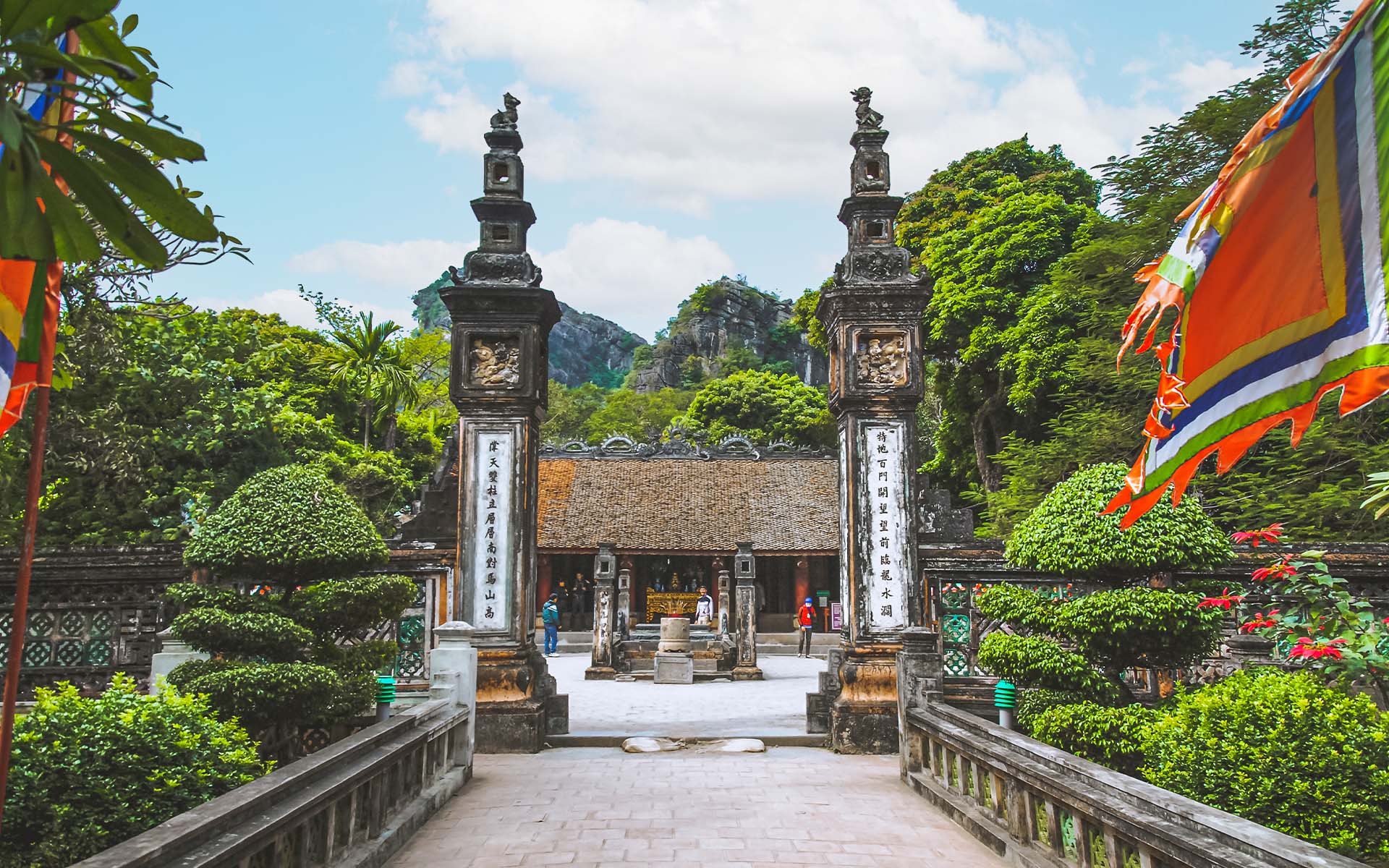
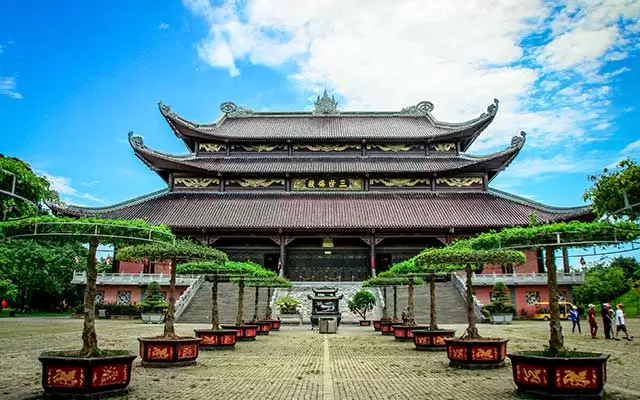
A view of Thai Vi Temple in Ninh Binh, showcasing its traditional Vietnamese architecture nestled among lush limestone mountains — a peaceful and lesser-known historic site in northern Vietnam.
Vietnam’s long and rich history is preserved in its ancient citadels, royal tombs, and wartime landmarks. Here is a curated list of the most significant historical sites, valued for their cultural, architectural, and political importance.
Imperial & Dynastic History
1. Complex of Hue Monuments
- Why Visit: As the capital of the Nguyen Dynasty (1802-1945), Hue is Vietnam’s most complete historical landscape. The complex includes the massive Citadel, the Forbidden Purple City, grand royal tombs, and pagodas along the Perfume River.
- Best For: History enthusiasts, architecture lovers, and those interested in Vietnam’s feudal past.
2. Hoi An Ancient Town
- Why Visit: An exceptionally well-preserved example of a 15th to 19th-century Southeast Asian trading port. Its architecture reflects a fusion of indigenous and foreign influences (Chinese, Japanese, and European), creating a unique, timeless atmosphere.
- Best For: Cultural immersion, photography, and exploring pre-colonial trade history.
3. My Son Sanctuary
- Why Visit: A remarkable collection of Hindu temple ruins from the ancient Champa Kingdom, which thrived from the 4th to the 13th century. Nestled in a jungle-filled valley, it is a testament to a unique spiritual and architectural civilization.
- Best For: Admirers of ancient history, archaeology, and spiritual sites.
4. Imperial Citadel of Thang Long (Hanoi)
- Why Visit: The political heart of Vietnam for over 1,000 years. Archaeological excavations have unearthed layers of citadels built by various dynasties. It offers a deep look into the foundations of Vietnamese governance and culture.
- Best For: Archaeology buffs and visitors wanting to understand the deep history of Hanoi.
5. Citadel of the Ho Dynasty
- Why Visit: A 14th-century stone fortress that demonstrates innovative construction techniques and the rise of Neo-Confucianism in Vietnam. Its massive stone walls are a unique example of a short-lived but influential dynasty.
- Best For: Those interested in military architecture and medieval history.
Modern & Wartime History
1. Củ Chi Tunnels (Near Ho Chi Minh City)
- Why Visit: An immense network of underground tunnels used by Viet Cong soldiers during the Vietnam War. It provides a stark, firsthand look at the conditions of guerilla warfare and the ingenuity involved.
- Best For: Understanding the tactics and resilience of soldiers during the Vietnam War.
2. Hoa Lo Prison Memorial (Hanoi)
- Why Visit: Originally built by the French for political prisoners and later used by North Vietnam for American POWs, earning the nickname “Hanoi Hilton.” The site offers a sobering perspective on Vietnam’s revolutionary struggles and the war.
- Best For: Visitors interested in 20th-century colonial and military history.
3. Reunification Palace (Ho Chi Minh City)
- Why Visit: The former presidential palace of South Vietnam. The site is frozen in time from April 30, 1975, when North Vietnamese tanks crashed through its gates, marking the end of the Vietnam War.
- Best For: Exploring a pivotal moment in modern world history.
As of 2027 Vietnam proudly holds nine UNESCO World Heritage Sites, showcasing its rich culture and natural beauty:
- Ha Long Bay – Majestic limestone karsts and emerald waters.
- Phong Nha–Ke Bang National Park – Vast cave systems and pristine jungle landscapes.
- Trang An Landscape Complex – A breathtaking blend of limestone peaks, caves, and ancient temples.
- Complex of Hue Monuments – The former imperial capital of Vietnam, rich in royal architecture.
- My Son Sanctuary – Ancient Hindu temple ruins of the Champa Kingdom.
- Hoi An Ancient Town – A well-preserved trading port reflecting diverse cultural influences.
- Central Sector of the Imperial Citadel of Thang Long – Hanoi – Historical heart of Vietnamese dynasties.
- Citadel of the Ho Dynasty – Unique stone fortress from the 14th century.
- Yen Tu–Vinh Nghiem–Con Son, Kiep Bac Complex – Spiritual center of Vietnamese Trúc Lâm Zen Buddhism.
These sites represent both natural wonders and cultural legacies that define Vietnam’s world heritage.
Historical Sites in Vietnam by Location
Vietnam’s rich cultural and historical heritage is distributed across its three distinct regions, each offering unique insights into the country’s past and traditions. Understanding the location of these sites helps travelers plan meaningful journeys through Vietnam’s layered history.
Hanoi
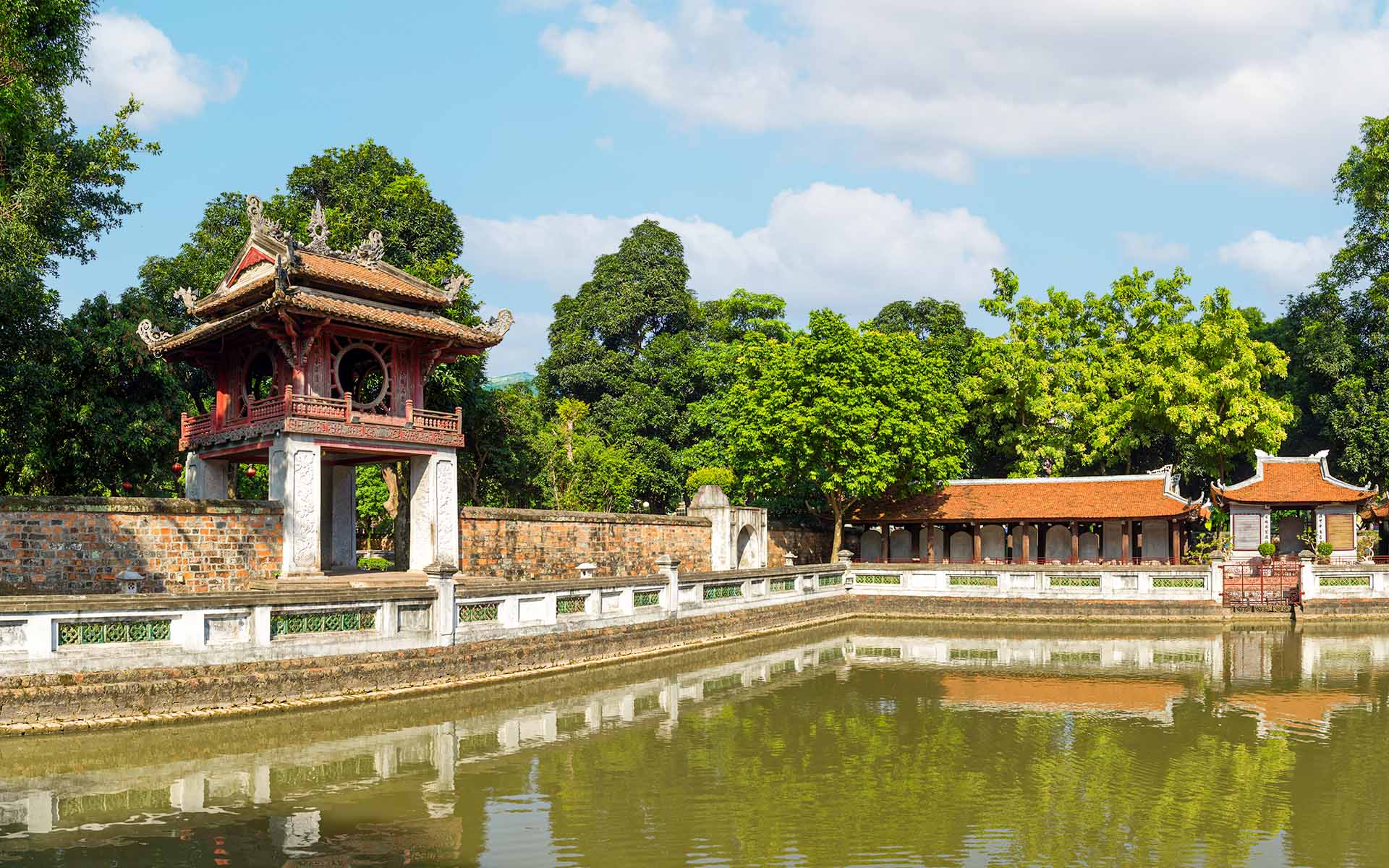
A serene image of the Temple of Literature in Hanoi, featuring ancient courtyards, traditional Vietnamese architecture, and stone stelae — representing Vietnam’s oldest university and its deep-rooted Confucian legacy.
Hanoi, the capital city of Vietnam, is a vibrant blend of ancient history and modern development. The city is known for its rich cultural heritage, reflected in its numerous historical sites that attract tourists from around the world. Each site tells a unique story of Vietnam’s past, offering insights into the country’s traditions, struggles, and triumphs.
One of the most iconic historical sites in Hanoi is the Ho Chi Minh Mausoleum, where the embalmed body of the country’s revolutionary leader, Ho Chi Minh, lies in state. This grand structure, located in Ba Dinh Square, is a place of pilgrimage for many Vietnamese, symbolizing the nation’s respect and reverence for “Uncle Ho.” Nearby is the Ho Chi Minh Museum, which provides a comprehensive look at his life and the history of Vietnam’s independence movement.
Another must-visit site is the Temple of Literature, Vietnam’s first university, which dates back to 1070. Dedicated to Confucius, this temple complex is a testament to Vietnam’s long-standing reverence for education and knowledge. The serene gardens, ancient architecture, and historical artifacts offer a peaceful retreat from the bustling city.
The Hanoi Old Quarter is a living museum, showcasing the city’s history through its narrow streets, traditional shop houses, and bustling markets. Each street in the Old Quarter is named after the goods that were traditionally sold there, such as Hang Bac (Silver Street) and Hang Gai (Silk Street). Exploring these streets offers a glimpse into Hanoi’s commercial past and its enduring cultural practices.
The Imperial Citadel of Thang Long, a UNESCO World Heritage site, is a relic of Vietnam’s imperial past. This ancient site served as the political center of Vietnam for over a thousand years. The citadel complex includes archaeological remains, ancient palaces, and notable structures like the Flag Tower of Hanoi. The site’s history is intertwined with various dynasties that ruled Vietnam, making it a crucial landmark for understanding the country’s historical evolution.
For those interested in the French colonial period, the Hanoi Opera House is an architectural gem. Built in 1911, this grand building reflects the French influence on Vietnamese culture and architecture. Its design is reminiscent of the Palais Garnier in Paris, and it remains a cultural hub, hosting numerous performances and events.
The Hoa Lo Prison, also known as the “Hanoi Hilton,” offers a sobering look into Vietnam’s struggle for independence. Originally built by the French to detain Vietnamese political prisoners, it was later used during the Vietnam War to hold American POWs. The museum here narrates the harsh conditions and the resilience of those who were imprisoned.
One Pillar Pagoda is another historical gem, known for its unique architectural design. Built in 1049, this pagoda is constructed on a single stone pillar, resembling a lotus blossom, a symbol of purity in Buddhism. It is one of the most iconic Buddhist temples in Vietnam and holds significant cultural and religious importance.
Hanoi’s historical sites not only provide a window into the past but also illustrate the city’s journey through various historical periods. From ancient dynasties to colonial rule and revolutionary struggles, each site contributes to the rich tapestry of Hanoi’s history. Visiting these sites offers a deep and comprehensive understanding of Hanoi’s cultural heritage, making the city a fascinating destination for history enthusiasts and curious travelers alike.
Most Famous Historical Sites in Hanoi:
- Temple of Literature Hanoi
- Hanoi Old Quarter
- Imperial Citadel of Thang Long
- Hanoi Opera House
- Hoa Lo Prison
- Temple of Literature
- One Pillar Pagoda
- Hoan Kiem Lake
- Ngoc Son Temple
- Ho Chi Minh Mausoleum Complex
- Tran Quoc Pagoda
- Hanoi Flag Tower
- Dong Xuan Market
- Long Bien Bridge
- Duong Lam Ancient Village
- Co Loa Citadel
- Van Phuc Silk Village
- Thay Pagoda
- But Thap Pagoda
- Le Mat Village
Ho Chi Minh City
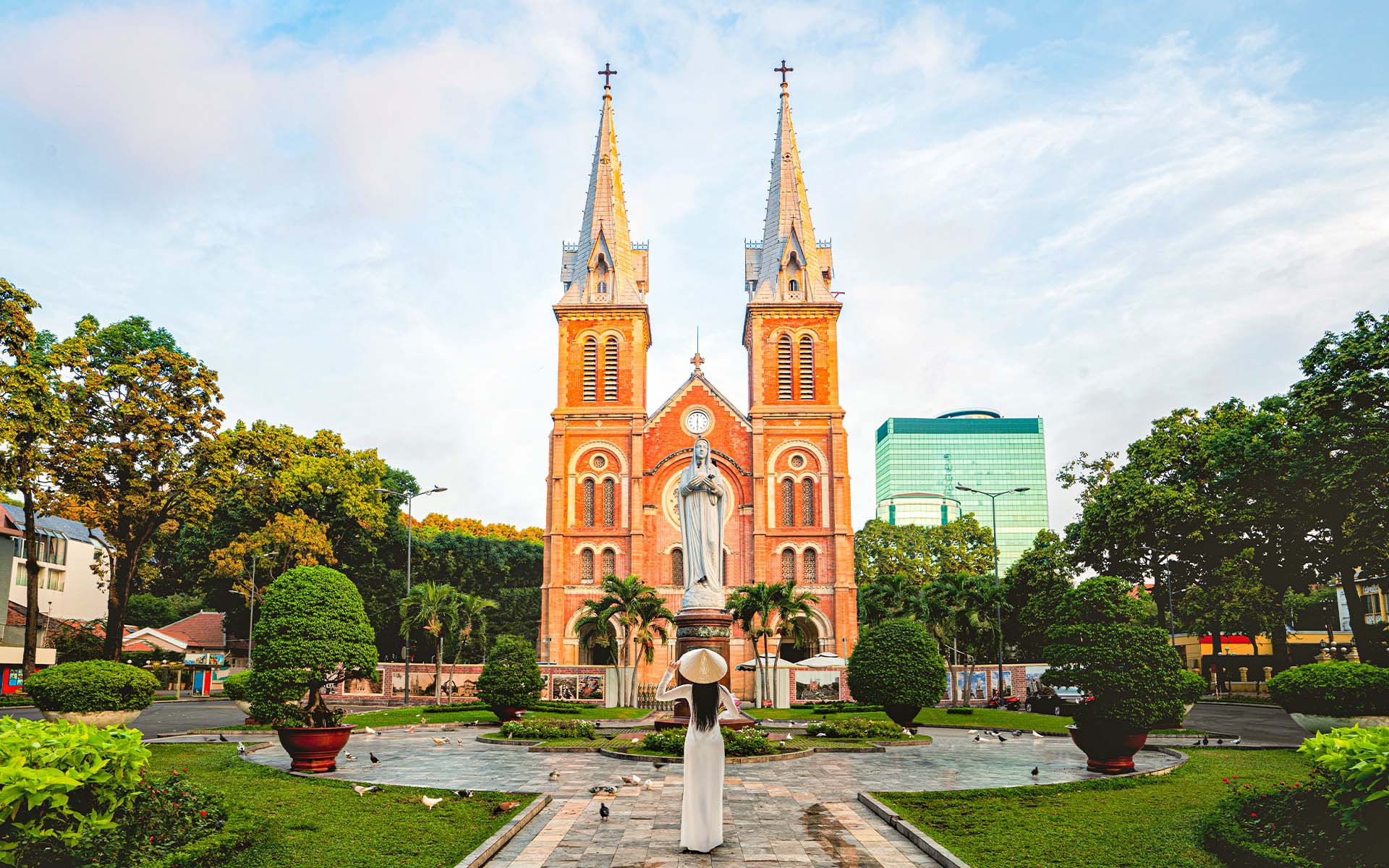
A front view of Notre-Dame Cathedral Basilica of Saigon, showcasing its red brick façade, twin bell towers, and stained glass windows — a historic landmark symbolizing French colonial heritage in Ho Chi Minh City.
Ho Chi Minh City, formerly known as Saigon, is a bustling metropolis that offers a rich tapestry of history and culture. As Vietnam’s largest city, it has been a focal point for the country’s historical events, making it a treasure trove for history enthusiasts. From ancient pagodas and colonial architecture to museums that chronicle the city’s past, Ho Chi Minh City provides a captivating journey through time.
One of the most significant historical sites in the city is the Reunification Palace, also known as Independence Palace. This landmark is not only a symbol of the end of the Vietnam War but also a representation of the country’s reunification. The palace was the site of the official handover of power during the fall of Saigon in 1975. Visitors can explore the preserved meeting rooms, war command rooms, and even the underground bunkers, gaining insight into the strategic operations during the war.
Notre-Dame Cathedral Basilica of Saigon is another iconic site. Built between 1863 and 1880 by French colonists, this cathedral is a testament to the city’s colonial past. Its neo-Romanesque architecture, with two impressive bell towers and a red brick facade, makes it a prominent landmark. The cathedral is still an active place of worship and a popular spot for both tourists and locals.
Adjacent to the cathedral is the Saigon Central Post Office, a striking building designed by the renowned architect Gustave Eiffel. This post office, completed in the late 19th century, showcases beautiful Gothic, Renaissance, and French influences. The interior features a stunning vaulted roof and arched windows, along with historical maps of South Vietnam and Saigon. It remains a functioning post office, allowing visitors to send postcards from this historical gem.
The War Remnants Museum in Ho Chi Minh City is a sobering reminder of the impact of the Vietnam War. It houses an extensive collection of photographs, documents, and military equipment that depict the harrowing realities of the war. The exhibits include graphic imagery and detailed accounts from various perspectives, offering a comprehensive understanding of the war’s impact on Vietnam and its people.
For a glimpse into the ancient spiritual practices of the Vietnamese, a visit to the Jade Emperor Pagoda is essential. This Taoist temple, built in 1909, is dedicated to the Jade Emperor, the supreme Taoist god. The pagoda’s intricate carvings, statues of deities, and the pungent smell of incense create a serene and mystical atmosphere. It is a place where locals come to pray and seek blessings, offering a unique cultural experience for visitors.
Ben Thanh Market is not only a bustling marketplace but also a historical site. Established in the 17th century, it has been a central hub for trade in the city. Today, it continues to thrive as a place where visitors can experience the local culture, cuisine, and craftsmanship. The market’s iconic clock tower has become a symbol of Ho Chi Minh City.
The Cu Chi Tunnels, located just outside the city, are an extensive network of underground tunnels used by Viet Cong soldiers during the Vietnam War. This complex system of tunnels served as hiding spots, supply routes, and living quarters. Visitors can explore parts of the tunnels and learn about the ingenious strategies used by the Viet Cong to evade American forces.
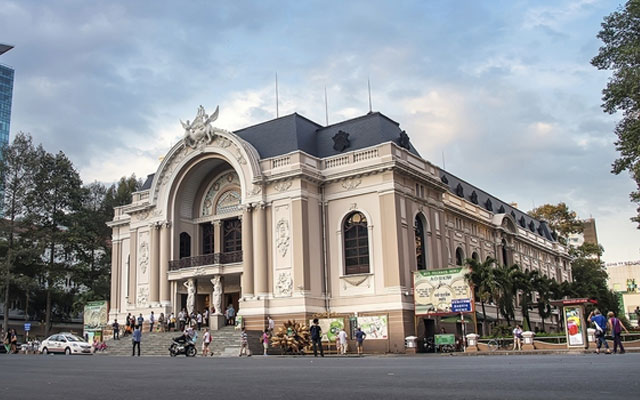
The Ho Chi Minh City Museum, housed in the former Gia Long Palace, offers a detailed look at the city’s history from its early days to the modern era. The museum’s exhibits cover various aspects of the city’s development, including its economic, political, and cultural transformations. The building itself is a fine example of French colonial architecture.
Most Famous Historical Sites in Ho Chi Minh City:
- Reunification Palace
- Notre-Dame Cathedral Basilica of Saigon
- Saigon Central Post Office
- War Remnants Museum
- Jade Emperor Pagoda
- Ben Thanh Market
- Cu Chi Tunnels
- Ho Chi Minh City Museum
- Cu Chi Tunnels
- War Remnants Museum
- Reunification Palace
- Notre-Dame Cathedral Basilica of Saigon
- Ben Thanh Market
- Saigon Central Post Office
- Independence Palace
- Giac Lam Pagoda
- Cao Dai Temple
- Thien Hau Temple
- Binh Tay Market
Dien Bien
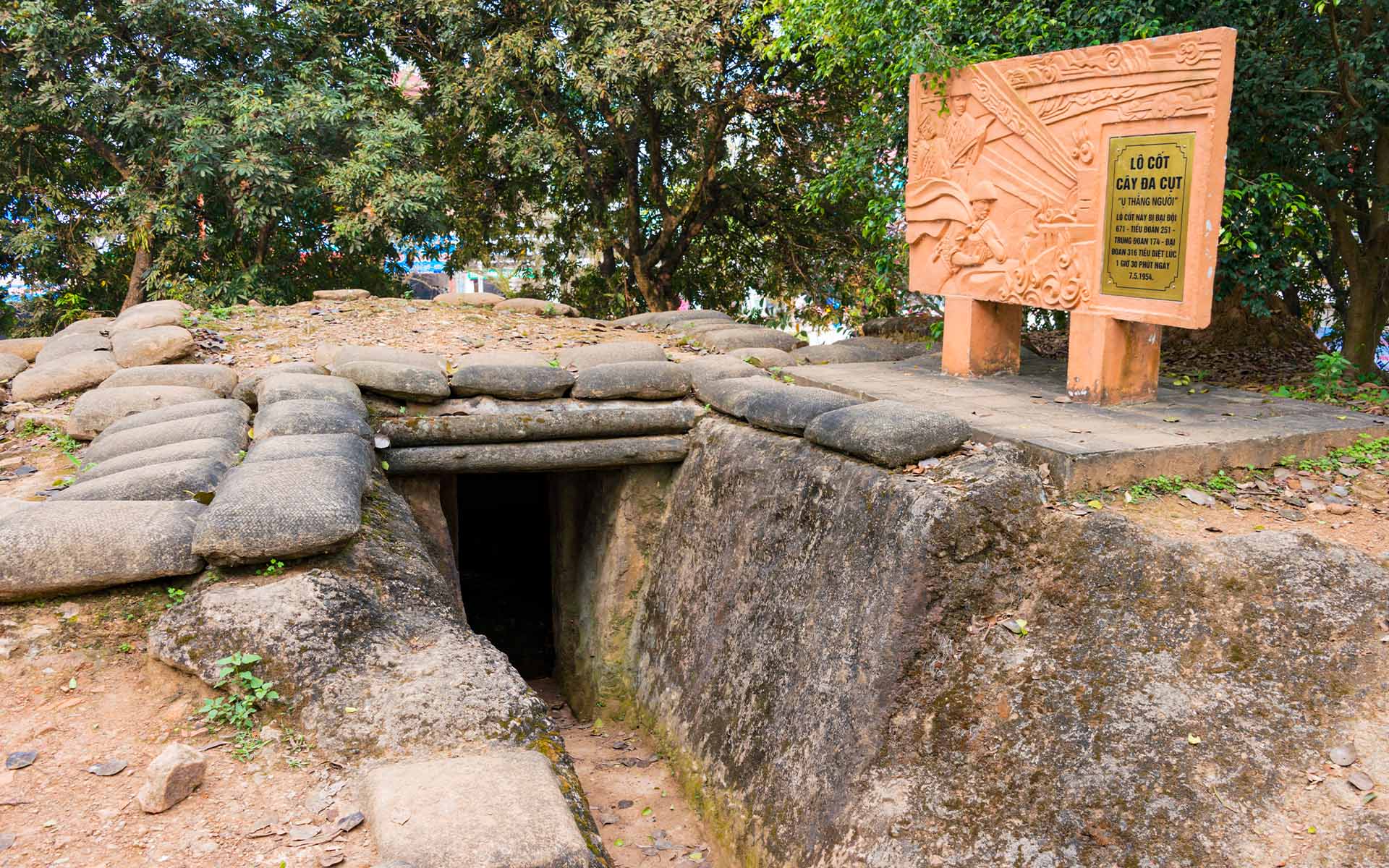
Dien Bien Province, located in the northwestern region of Vietnam, is a land rich in historical significance and natural beauty. This province is best known for its role in the First Indochina War, particularly the Battle of Dien Bien Phu, which marked a turning point in the struggle for Vietnamese independence from French colonial rule. The historical sites in Dien Bien are a testament to the bravery and resilience of the Vietnamese people, offering a poignant glimpse into the past for visitors.
The Dien Bien Phu Victory Monument is a prominent landmark commemorating the decisive battle that took place in 1954. This imposing monument, situated on Hill A1, also known as Eliane 2, stands as a symbol of Vietnamese victory. The site includes a museum where visitors can explore various artifacts, photographs, and documents that detail the events leading up to the battle and its aftermath. The panoramic views from the hilltop provide a stunning backdrop for reflection on the significance of this historical event.
Another key site is the Dien Bien Phu Historical Victory Museum, which provides a comprehensive overview of the battle and its broader context within the First Indochina War. The museum’s exhibits include detailed dioramas, military equipment used during the conflict, and personal stories of the soldiers who fought in the battle. This museum serves as an educational resource, helping visitors understand the complexities of the war and the strategies employed by the Vietnamese forces.
The Command Bunker of General de Castries is another must-visit site in Dien Bien. This well-preserved bunker was the headquarters of the French commander during the Battle of Dien Bien Phu. Visitors can explore the underground rooms and see where critical decisions were made during the battle. The bunker offers a fascinating insight into the challenges faced by the French forces and the tactical maneuvers that led to their eventual defeat.
For those interested in the Vietnamese perspective, the Muong Phang Historical Site provides a glimpse into the headquarters of General Vo Nguyen Giap, the Vietnamese military leader who orchestrated the victory at Dien Bien Phu. The site includes a network of tunnels and shelters hidden in the dense forest, illustrating the ingenuity and determination of the Vietnamese forces. The tranquil surroundings of Muong Phang offer a stark contrast to the intense battles that once took place here.
In addition to these military sites, Dien Bien Province is home to several cultural and natural attractions that provide further context to its historical significance. The Pa Khoang Lake, located near the Muong Phang Historical Site, is a serene spot that played a strategic role during the battle. Today, it serves as a peaceful retreat where visitors can enjoy boating and fishing while reflecting on the area’s history.
The Him Lam Hill, another strategic point during the Battle of Dien Bien Phu, is also worth a visit. This site offers a comprehensive view of the valley and the various locations that were critical during the conflict. Visitors can walk through the trenches and bunkers, gaining a firsthand understanding of the harsh conditions faced by the soldiers.
Dien Bien Province also honors its ethnic diversity, with several villages that showcase the traditional cultures of the Thai and Hmong people. These communities played a significant role in supporting the Vietnamese forces during the battle, and their cultural heritage adds another layer of depth to the region’s historical narrative.
Some notable historical sites in Dien Bien include:
- Dien Bien Phu Victory Monument
- Command Bunker of General de Castries
- Muong Phang Historical Site
- Him Lam Hill
- Dien Bien Phu Battlefield
- A1 Hill
- Dien Bien Phu Museum
- Hoang Cong Chat Temple
Ha Giang
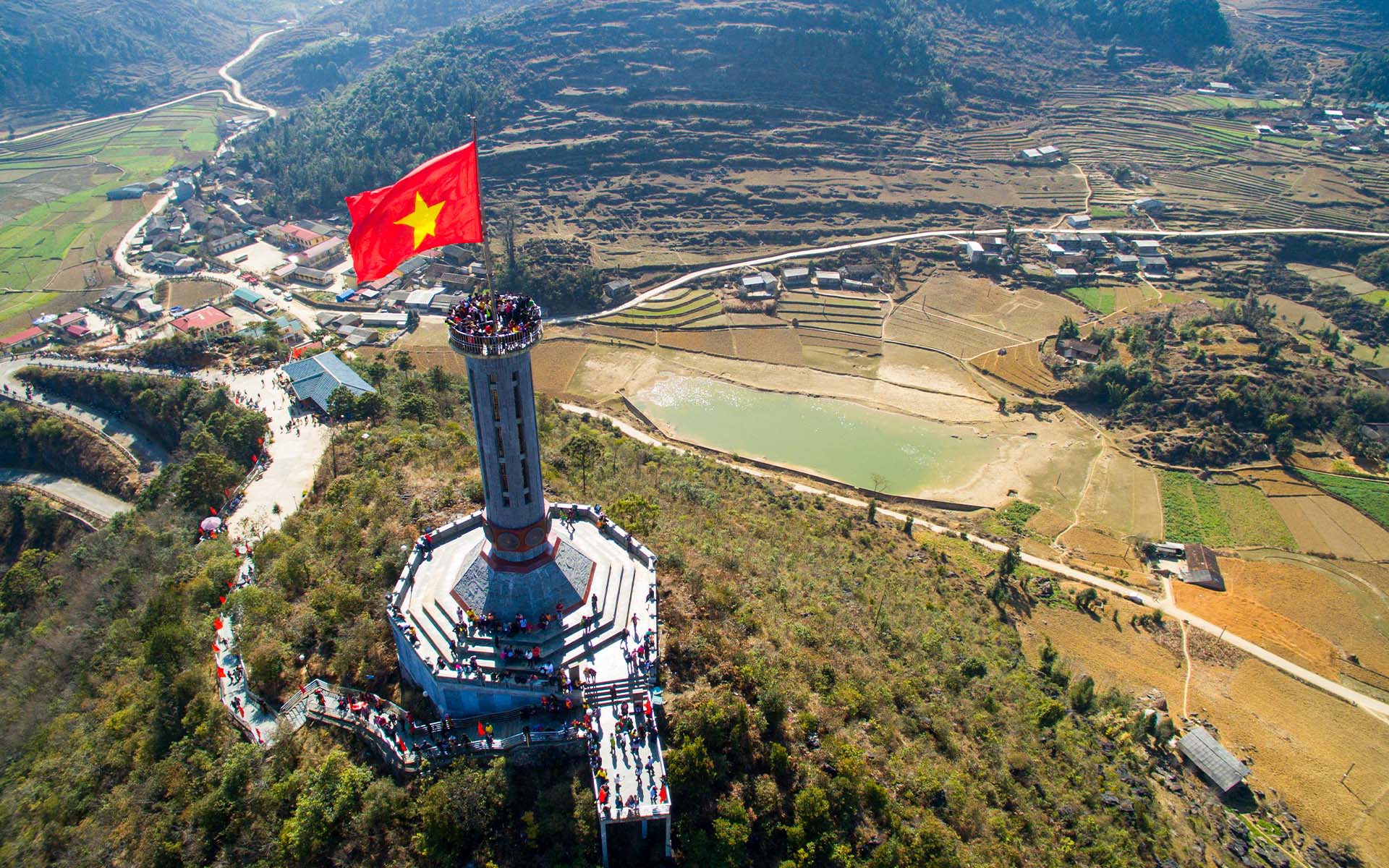
Ha Giang, a province nestled in the northernmost region of Vietnam, is a treasure trove of historical sites, rich in cultural heritage and natural beauty. This remote area is renowned for its breathtaking landscapes, diverse ethnic communities, and ancient historical relics that narrate the stories of a bygone era. Exploring Ha Giang’s historical sites offers a unique glimpse into Vietnam’s past, where ancient traditions and historical events are still vividly alive.
One of the most prominent historical landmarks in Ha Giang is the Dong Van Ancient Town. Established over a century ago, this town is a living museum of architectural marvels. The ancient houses, built from clay and stone, showcase the unique Hmong architectural style. Walking through the narrow streets of Dong Van, visitors can admire the intricate wood carvings and stone structures that have withstood the test of time. The town is also famous for its vibrant markets, where locals from various ethnic groups gather to trade goods and cultural stories.
Another significant historical site is the Vuong Family Mansion, also known as the Hmong King’s Palace. This grandiose mansion, built in the early 20th century, served as the residence of the Vuong family, who ruled the region. The palace is an architectural wonder, blending traditional Hmong design with Chinese and French influences. The intricate woodwork, stone carvings, and serene courtyards reflect the opulence and power of the Vuong family. Today, the mansion is a museum, offering visitors a glimpse into the royal lifestyle and the historical significance of the Hmong people in Ha Giang.
Ha Giang is also home to the Lung Cu Flag Tower, a symbol of Vietnam’s sovereignty. This historical monument stands on Dragon Mountain, near the Chinese border. The flag tower, originally built during the reign of Emperor Gia Long, has been reconstructed several times. The current structure, completed in 2010, stands 33 meters tall and is adorned with intricate carvings representing the diverse ethnic groups of Vietnam. Climbing to the top of the tower, visitors can enjoy a panoramic view of the surrounding landscapes, symbolizing the unity and strength of the Vietnamese nation.
In addition to these landmarks, Ha Giang boasts numerous other historical sites that reflect its rich cultural tapestry. The Ma Pi Leng Pass, one of the most dangerous yet scenic roads in Vietnam, offers a historical journey through the rugged mountains. This pass was constructed by ethnic minorities in the 1960s, and today, it stands as a testament to their resilience and determination.
The Du Gia National Park, while primarily known for its biodiversity, also holds historical significance. The park is dotted with ancient caves and rock formations that have been used by various ethnic groups for centuries. Exploring these natural wonders provides insight into the lives of the early inhabitants of Ha Giang.
Each of these historical sites is intertwined with the culture and traditions of the ethnic minorities in Ha Giang. The province is home to 22 ethnic groups, each with its own unique heritage. Visiting these historical sites not only provides a deeper understanding of Vietnam’s history but also allows for an immersive cultural experience.
In summary, Ha Giang is a province that offers a rich tapestry of historical sites, each telling a unique story of the region’s past. From the ancient town of Dong Van to the majestic Vuong Family Mansion, the historical landmarks of Ha Giang are a testament to the enduring legacy of its people.
Most Historical Attractions in Ha Giang:
- Dong Van Ancient Town: This UNESCO World Heritage Site is a well-preserved town established in the early 20th century. The architecture reflects a blend of influences including Tay, Chinese, and Hmong styles. Wander through the stone-slab streets and discover the unique cultural heritage.
- Vuong Family Mansion (Hmong King’s Palace): This early 20th-century palace was built by the Hmong people, a local ethnic minority. The architecture showcases traditional Hmong styles with a distinctive sloping roof, wooden pillars, and intricate carvings. It offers a glimpse into the lives of the Hmong royalty.
- Lung Cu Flag Tower: This iconic tower sits atop Lung Cu Peak, the northernmost point of Vietnam. The flagtower itself is a powerful symbol of Vietnamese sovereignty. The surrounding area offers stunning panoramic views.
- House of Pao (Nhà của Pao): This isn’t a particularly old structure (built around 100 years ago) but it has become famous due to its role in the Vietnamese movie “Story of Pao”. The house is a traditional Hmong dwelling with a unique architectural style and offers a glimpse into the lives of the Hmong people.
Cao Bang
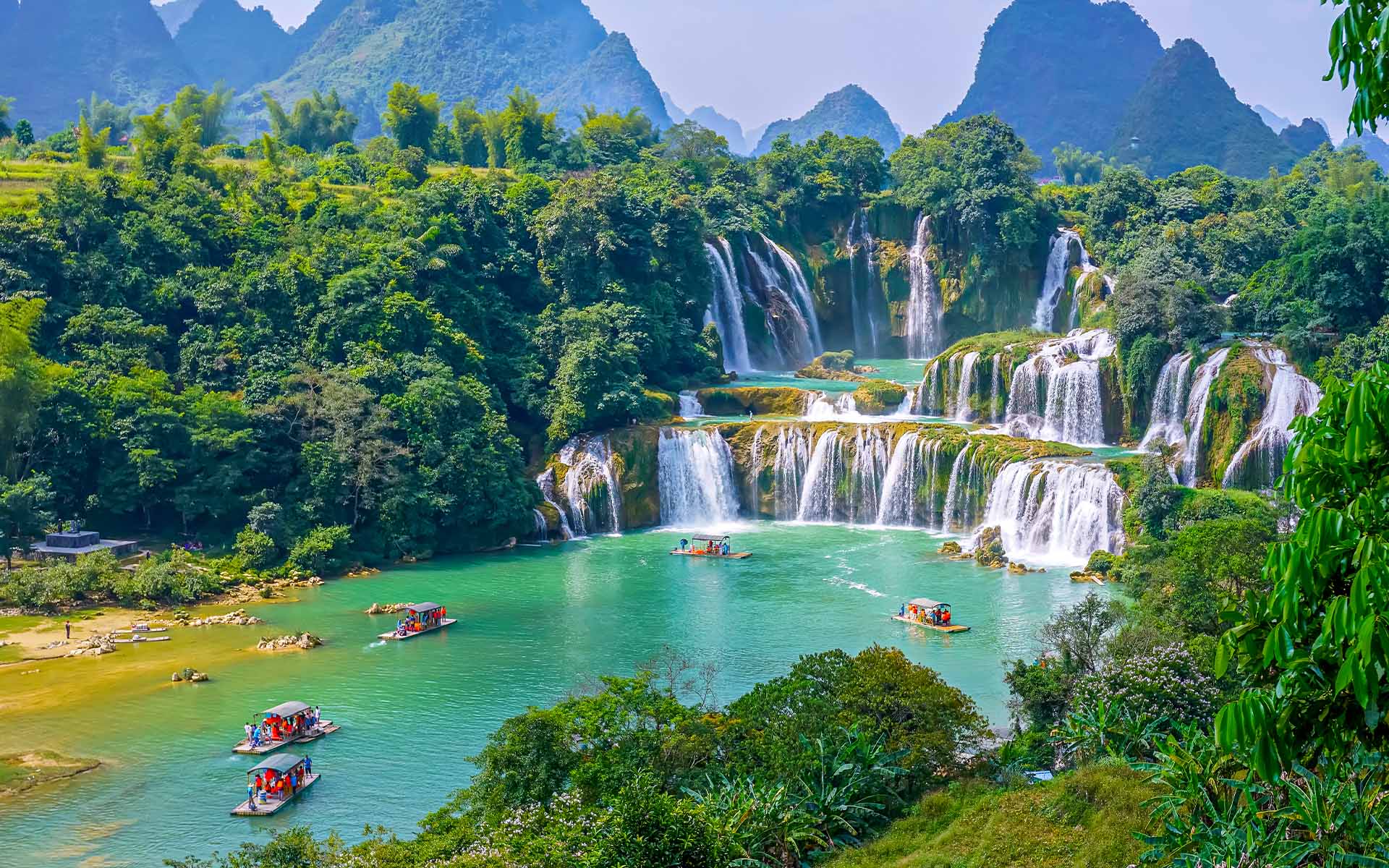
Cao Bang, located in northern Vietnam, is a province rich in historical significance and natural beauty. Its lush landscapes and vibrant history make it an ideal destination for travelers seeking both adventure and cultural enrichment. This passage delves into the historical sites of Cao Bang, providing a comprehensive guide that encompasses the historical, cultural, and natural wonders of this fascinating region.
Cao Bang has long been a cradle of Vietnamese culture and history. One of the most significant historical sites is Pac Bo Cave, where Ho Chi Minh, the founder of modern Vietnam, lived and worked from 1941 to 1945. This site, located near the border with China, is where Ho Chi Minh wrote many important documents that shaped the future of Vietnam. Visitors can explore the cave and surrounding areas, including Lenin Stream and Karl Marx Mountain, named by Ho Chi Minh himself. The serene beauty of the stream and the grandeur of the mountain add to the historical ambiance of the area.
Another prominent historical site in Cao Bang is the Ban Gioc Waterfall, one of the largest and most beautiful waterfalls in Asia. Although primarily a natural wonder, Ban Gioc also has historical significance. It is located near the ancient stone fortress of Nguom Ngao, which was used by local ethnic groups to defend against invaders. The combination of natural splendor and historical depth makes Ban Gioc Waterfall a must-visit destination.
Thang Hen Lake, a lesser-known but equally captivating site, is a cluster of 36 small lakes that are interconnected and surrounded by lush forests and limestone mountains. The lake area is tied to numerous legends and stories of local ethnic groups, adding a layer of cultural history to its natural beauty. Visitors can enjoy boating on the lakes, hiking in the surrounding hills, and learning about the folklore that enriches the area.
The Tran Hung Dao Forest, located in the Trung Khanh District, is another historical site of great importance. This forest served as a base for the Viet Minh during the First Indochina War. Today, it is a protected area where visitors can explore the dense forest, visit the memorial dedicated to General Vo Nguyen Giap, and learn about the crucial battles that took place in the region. The forest offers a blend of historical education and natural exploration, making it a valuable stop for history enthusiasts.
Cao Bang is also home to several ancient temples and pagodas, such as the Phat Tich Truc Lam Ban Gioc Pagoda. This temple is not only a place of worship but also a symbol of the cultural heritage of the region. It offers panoramic views of the Ban Gioc Waterfall and the surrounding landscape, providing a serene and spiritual experience for visitors.
For those interested in prehistory, the Hang Then Cave is a significant archaeological site. Excavations in the cave have uncovered evidence of human habitation dating back thousands of years. Artifacts such as stone tools, pottery, and animal bones provide insight into the lives of ancient inhabitants of the area. The cave, with its impressive stalactites and stalagmites, also offers a stunning natural spectacle.
Exploring Cao Bang’s historical sites provides a deep dive into the rich tapestry of Vietnam’s history and culture. From the revolutionary activities of Ho Chi Minh to the natural defenses used by ancient ethnic groups, each site offers a unique story and a connection to the past. Whether you’re an avid historian, a nature lover, or a curious traveler, Cao Bang’s historical sites promise a memorable and enlightening experience.
List of Historical Attractions in Cao Bang:
- Pac Bo Historical Site
- Lenin Stream
- Karl Marx Peak
- Ban Gioc Waterfall
- Na Sam Historical Site
- Nguom Ngao Cave
- Khuoi Ky Ancient Stone Village
- Kim Dong’s Tomb
- Cao Bang Museum
Ninh Binh

Ninh Binh, a province in Northern Vietnam, is a treasure trove of historical and cultural heritage, renowned for its mesmerizing blend of natural landscapes and historic sites. This region, often referred to as the “Halong Bay on land,” offers a unique exploration into Vietnam’s rich past and natural beauty.
At the heart of Ninh Binh’s historical allure is the Hoa Lu Ancient Capital. This site was the first capital of Vietnam during the 10th century under the Dinh and Early Le dynasties. Visitors can explore the remains of this ancient capital, including temples dedicated to the emperors Dinh Tien Hoang and Le Dai Hanh, which stand as a testament to the architectural and historical significance of the era.
Another notable site is the Bai Dinh Pagoda Complex, the largest pagoda complex in Southeast Asia. It features a stunning array of Buddhist statues and a 13th-century pagoda nestled amidst a scenic landscape of limestone mountains.
The Trang An Scenic Landscape Complex is another must-visit. It offers boat tours through a network of waterways winding among limestone karsts and caves. This area is not only a UNESCO World Heritage Site but also a place of spiritual significance, with several temples located along the waterways.
For those interested in architecture that blends different cultural influences, the Phat Diem Cathedral is a fascinating site. Built in the late 19th century, this cathedral combines elements of Vietnamese and European architectural styles, making it a unique symbol of religious tolerance and cultural fusion.
For nature and wildlife enthusiasts, the Van Long Nature Reserve provides a serene escape. Known for its biodiversity, the reserve is a great spot for bird-watching and enjoying the tranquil natural scenery.
These historical and cultural sites provide a deep insight into the historical and spiritual legacy of Vietnam, making Ninh Binh a compelling destination for travelers interested in exploring beyond the typical tourist paths.
Most Famous Historical Sites in Ninh Binh:
- Hoa Lu Ancient Capital
- Bai Dinh Pagoda Complex
- Trang An Scenic Landscape Complex
- Phat Diem Cathedral
- Bich Dong Pagoda
Hue
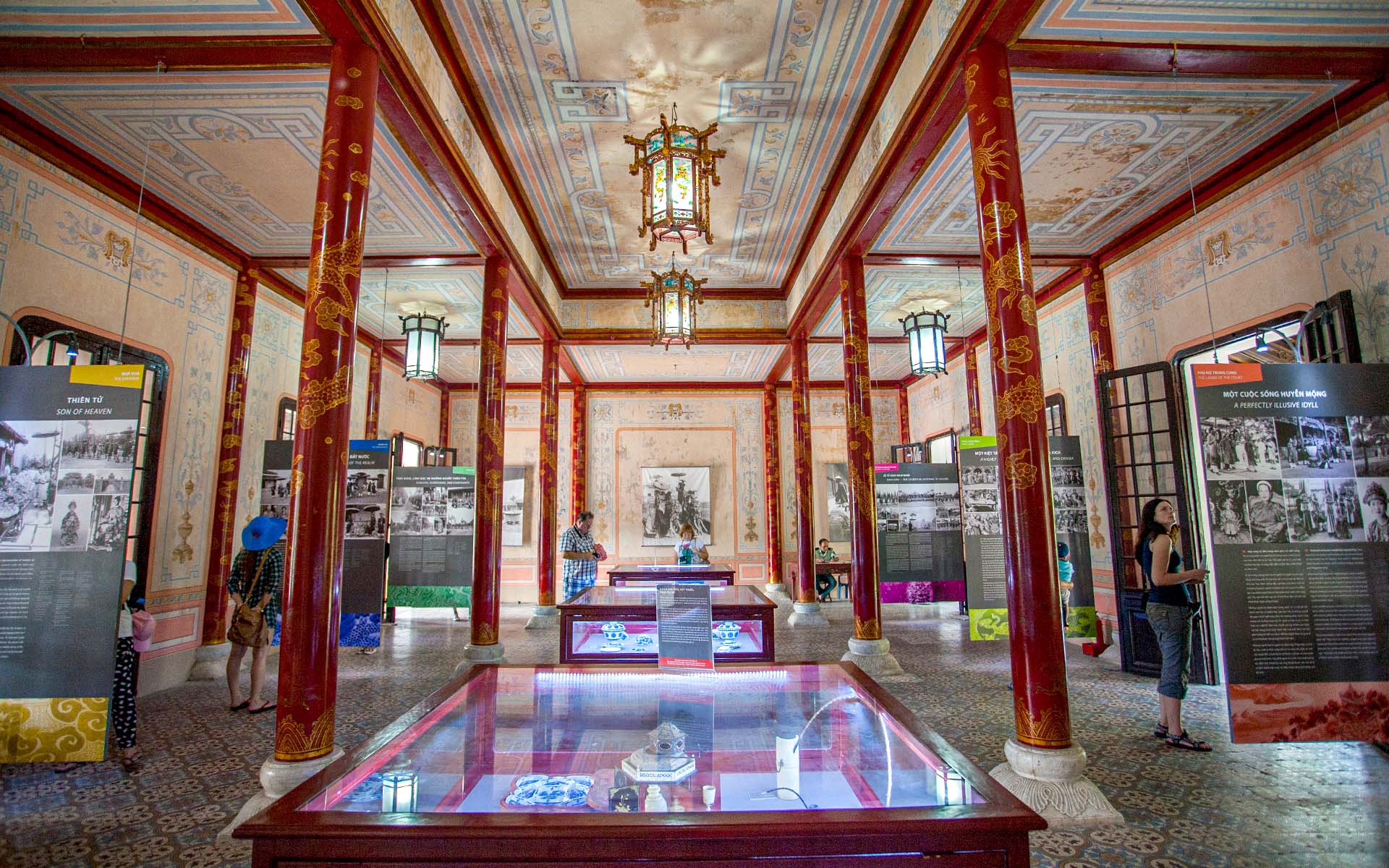
Hue, the ancient capital of Vietnam, is a city steeped in history and culture, offering an unparalleled glimpse into the country’s royal past. This city, located in central Vietnam, is home to a multitude of historical sites that resonate with the legacy of the Nguyen dynasty, which ruled from the early 19th century until the mid-20th century.
The Imperial City, at the heart of Hue, is perhaps the most iconic landmark. Surrounded by massive stone walls and moats, it is a sprawling complex of palaces, temples, walls, gates, a library, and the Forbidden Purple City, once restricted solely to the royal family. The architecture here is a testament to the grandeur of imperial Vietnam, with intricately designed rooftops, ornate carvings, and traditional Vietnamese motifs that symbolize power and prosperity.
Adjacent to the Imperial City lies the Hue Royal Antiquities Museum. This museum houses an extensive collection of artifacts that provide deeper insights into the daily life of the royal family. Exhibits include royal robes, ceramics, and regal decrees, each piece narrating a story of a bygone era.
Another significant aspect of Hue’s historical narrative is its royal tombs, which dot the landscape around the city. Among these, the Tomb of Minh Mang is renowned for its harmonious balance between nature and architecture. It features lakes, gardens, and pavilions that blend seamlessly with the serene woodland surroundings. Similarly, the Tomb of Tu Duc, designed by the emperor himself, reflects his poetic spirit with its lotus ponds and wooded groves.
The Thien Mu Pagoda, perched on the banks of the Perfume River, adds a spiritual dimension to Hue’s historical landscape. This seven-story pagoda is the tallest religious building in Vietnam and is considered the unofficial symbol of the city. It is associated with many legends and continues to be an active site of Buddhist worship.
Hue’s history is also marked by its resilience during the Vietnam War. The Battle of Hue, one of the longest and bloodiest battles of the war, left the city in ruins, and the scars of this period are still evident in some of the historical sites.
Today, Hue is not only a reflection of its imperial past but also a testament to Vietnamese spirit and resilience. The city is recognized as a UNESCO World Heritage Site, ensuring that its storied past continues to be preserved and appreciated.
Here are some of the most famous historical sites in Hue:
- Imperial City of Hue
- Hue Royal Antiquities Museum
- Tomb of Minh Mang
- Tomb of Tu Duc
- Thien Mu Pagoda
- The Meridian Gate
- Forbidden Purple City
- The Pavilion of Edicts
- Tomb of Khai Dinh
Each of these sites offers a unique window into the history and culture of Vietnam, making Hue a must-visit destination for anyone interested in the country’s royal heritage.
Hoi An
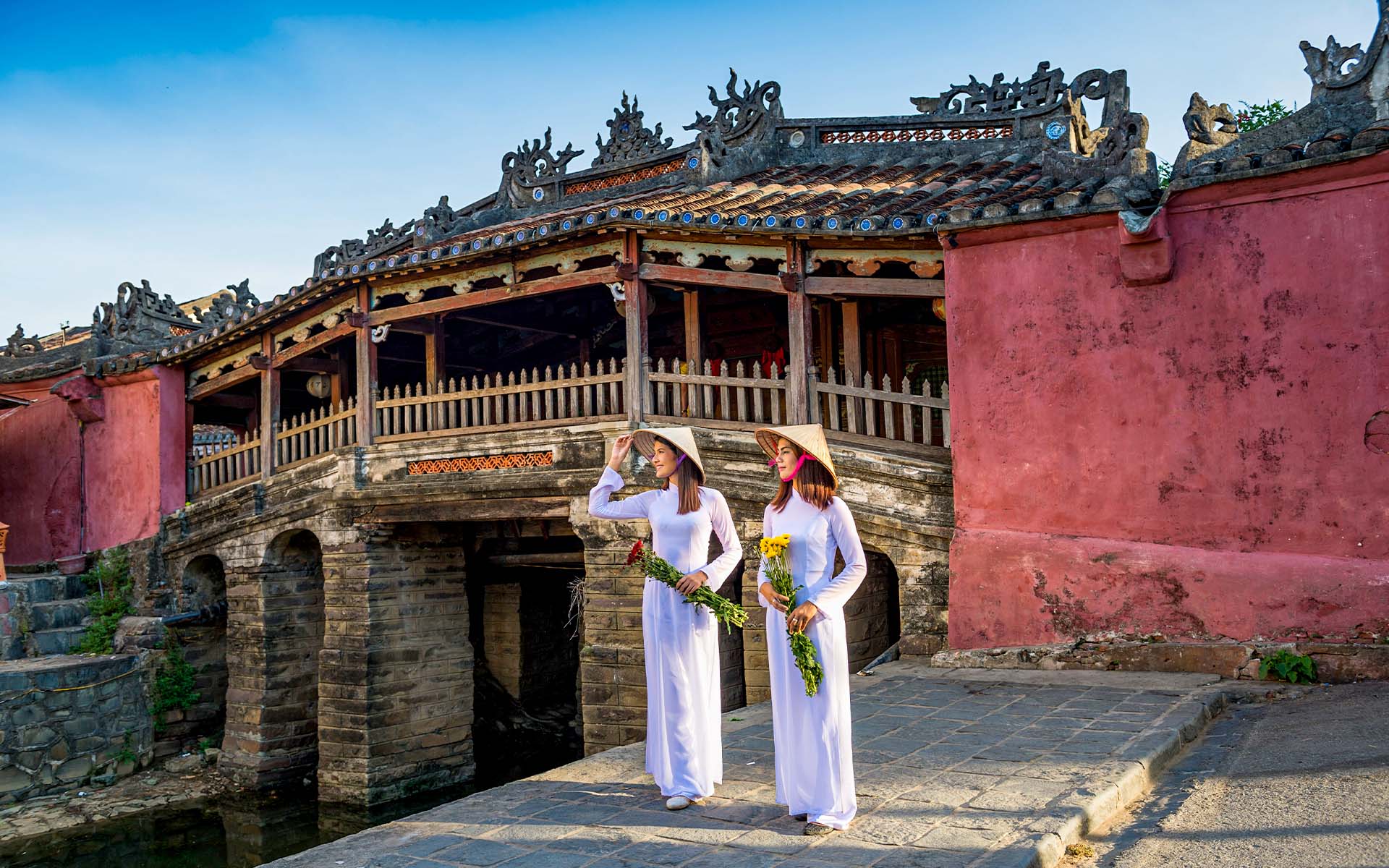
Hoi An, a charming ancient town in central Vietnam, is renowned for its well-preserved historical sites that offer a glimpse into its rich cultural heritage. Once a bustling trading port from the 15th to the 19th century, Hoi An has seamlessly blended various cultural influences, including Vietnamese, Chinese, Japanese, and European elements. This harmonious fusion is evident in the town’s architecture, cuisine, and customs, making Hoi An a UNESCO World Heritage Site and a must-visit destination for history enthusiasts.
Walking through the narrow streets of Hoi An, visitors are transported back in time as they admire the traditional wooden houses, ancient temples, and colonial buildings. One of the most iconic landmarks is the Japanese Covered Bridge (Chùa Cầu), a symbol of Hoi An. Built in the early 17th century by the Japanese community, this ornate bridge features intricate carvings and a small temple at its center, dedicated to the Taoist deity Huyen Thien Tran Vo.
Another significant site is the Assembly Hall of the Fujian Chinese Congregation (Phuc Kien Assembly Hall). Originally constructed in 1690, this hall served as a meeting place for the Fujian Chinese community. The hall boasts stunning architecture, with dragon statues, colorful murals, and a serene garden, reflecting the Chinese influence on Hoi An’s cultural landscape.
Tan Ky Old House, a well-preserved 18th-century merchant’s residence, offers a unique glimpse into the daily life of Hoi An’s affluent traders. The house’s design is a blend of Japanese, Chinese, and Vietnamese architectural styles, with intricate woodwork, antique furniture, and family heirlooms. Visitors can explore the house’s various rooms, each telling a story of the town’s prosperous trading history.
Hoi An’s historical significance is also evident in its temples and pagodas. The Quan Cong Temple, dedicated to the revered Chinese general Quan Cong, is a testament to the town’s spiritual and cultural diversity. Built in 1653, the temple features exquisite altars, statues, and incense burners, creating a peaceful ambiance for worshippers and tourists alike.
The Tran Family Chapel, another historical gem, was built in the early 19th century by a prominent local family to honor their ancestors. The chapel’s architecture is a blend of Chinese and Vietnamese styles, with a beautiful garden and an altar adorned with ancestral tablets and offerings.
Exploring Hoi An’s ancient town is not complete without visiting the Museum of Trade Ceramics. Housed in a restored timber building, the museum showcases a collection of ceramics from China, Japan, and Southeast Asia, highlighting Hoi An’s role as a major trading hub. The exhibits provide insights into the town’s maritime history and the cultural exchanges that shaped its development.
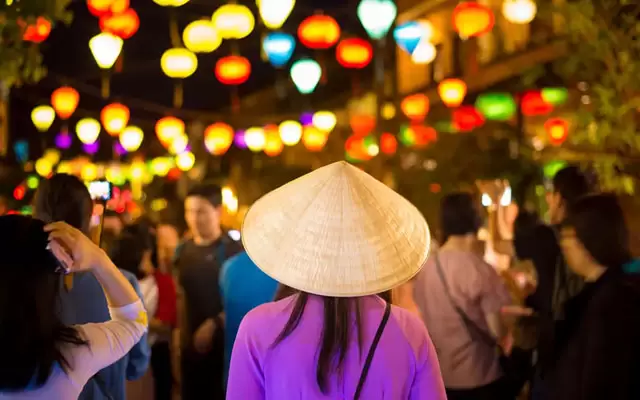
In addition to its architectural wonders, Hoi An is known for its vibrant festivals and traditional crafts. The Lantern Festival, held on the 14th day of each lunar month, transforms the town into a magical scene, with colorful lanterns illuminating the streets and the Thu Bon River. Visitors can also explore the various craft villages around Hoi An, such as the Thanh Ha Pottery Village and Kim Bong Carpentry Village, where artisans demonstrate their skills in traditional crafts passed down through generations.
In summary, Hoi An’s historical sites offer a rich tapestry of cultural influences and architectural marvels that captivate visitors. The town’s well-preserved heritage, combined with its vibrant traditions and crafts, make Hoi An a unique destination that beautifully tells the story of its diverse past.
Most famous historical sites in Hoi An:
- Japanese Covered Bridge (Chùa Cầu)
- Assembly Hall of the Fujian Chinese Congregation (Phuc Kien Assembly Hall)
- Tan Ky Old House
- The Old House of Phung Hung
- Duc An Old House
- Quan Cong Temple
- Tran Family Chapel
- Museum of Trade Ceramics
Quang Nam
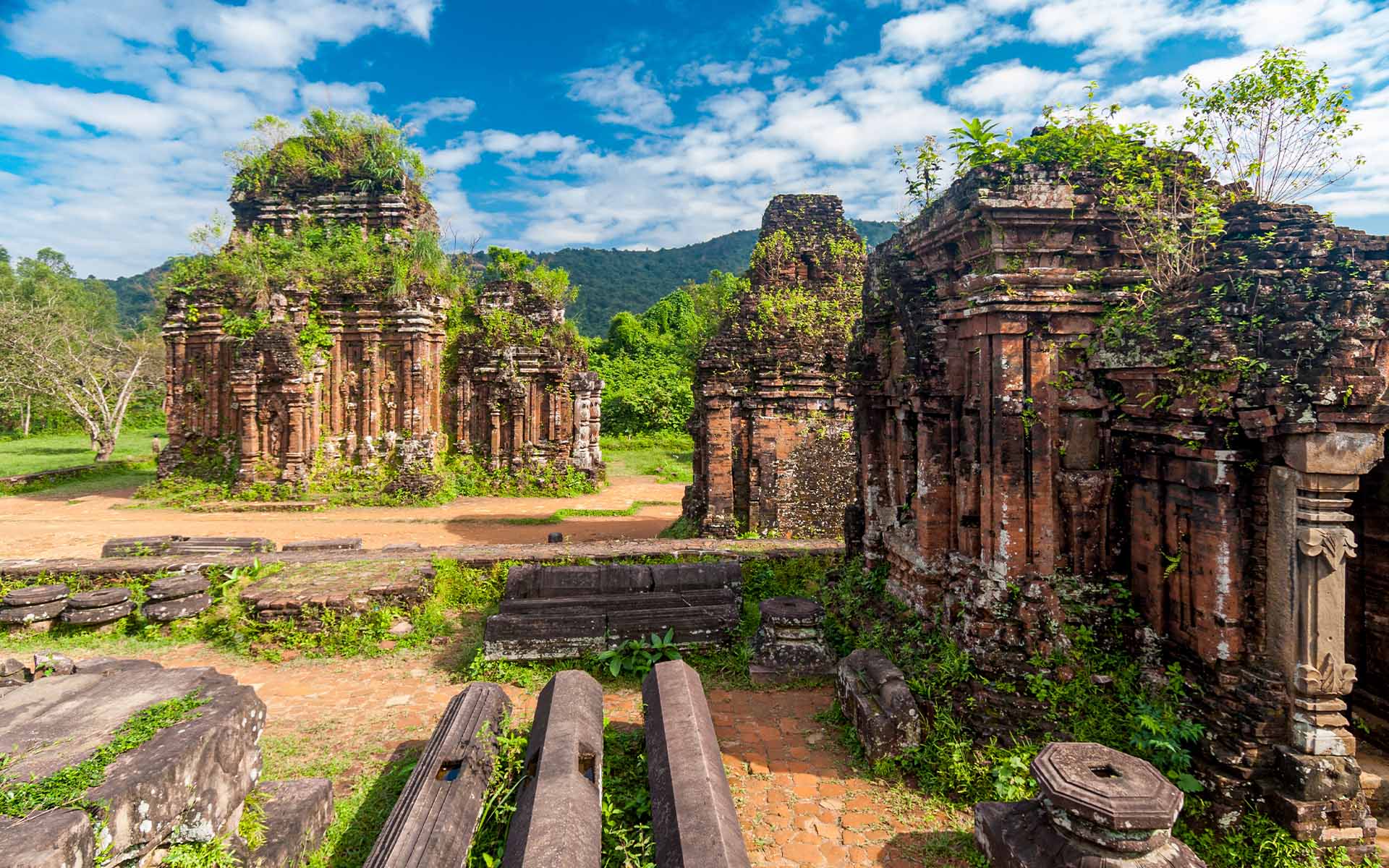
Quang Nam, a province in central Vietnam, is rich in historical and cultural heritage, making it a fascinating destination for history enthusiasts and travelers alike. The province boasts a diverse array of historical sites, from ancient temples and pagodas to centuries-old towns and relics from various dynasties. Each site offers a glimpse into Vietnam’s storied past and reflects the region’s significance in the cultural and historical tapestry of the country.
One of the most renowned historical sites in Quang Nam is the ancient town of Hoi An. This well-preserved trading port dates back to the 15th century and was a melting pot of various cultures, including Vietnamese, Chinese, Japanese, and European. Hoi An’s architecture, a unique blend of wooden Chinese shophouses, French colonial buildings, and Japanese pagoda-style bridges, tells the story of its multicultural heritage. The town is also famous for its vibrant lantern festivals, traditional crafts, and delectable cuisine. Notable sites within Hoi An include the Japanese Covered Bridge, Tan Ky House, and the Assembly Hall of the Fujian Chinese Congregation.
Another significant site in Quang Nam is My Son Sanctuary, a cluster of abandoned and partially ruined Hindu temples constructed between the 4th and 14th centuries by the Champa civilization. The site, recognized as a UNESCO World Heritage Site, is dedicated to the worship of the god Shiva and showcases the architectural prowess and cultural achievements of the Cham people. The temples, adorned with intricate carvings and sculptures, provide valuable insights into the religious practices and artistry of the ancient civilization.
Tam Ky, the capital of Quang Nam, is home to several historical landmarks, including the Khuong My Towers. These Cham towers, built between the 9th and 10th centuries, are remarkable for their distinctive architectural style and elaborate decorations. The towers, originally constructed for religious purposes, stand as a testament to the Cham people’s architectural and cultural contributions.
Quang Nam also houses the Phuoc Kieu Bronze Casting Village, a traditional craft village with a history spanning over four centuries. This village has been producing exquisite bronze products, including musical instruments, ritual objects, and household items, since the Nguyen dynasty. Visitors to Phuoc Kieu can witness the meticulous bronze casting process and learn about the village’s historical significance in Vietnam’s craft heritage.
The Tra Kieu Citadel, another notable historical site, was the first capital of the Champa Kingdom. Located in the Duy Xuyen District, the citadel dates back to the 4th century and offers a glimpse into the early history of the Champa civilization. Archaeological excavations have unearthed various artifacts, including pottery, statues, and ancient inscriptions, providing valuable insights into the kingdom’s political, cultural, and religious life.
For those interested in more recent history, Quang Nam is also home to several sites related to the Vietnam War. The Ky Anh Tunnels, a complex underground network used by the Viet Cong, is an essential historical landmark. These tunnels, located in the Tam Thanh Commune, showcase the ingenuity and resilience of the local people during the war. Visitors can explore the tunnels and learn about their strategic significance in the resistance against foreign forces.
Quang Nam’s rich historical heritage extends to its many pagodas and temples, such as the Chuc Thanh Pagoda, the oldest Buddhist temple in Hoi An, founded in 1454. This pagoda is an important religious site and a repository of historical artifacts and ancient scriptures, reflecting the region’s spiritual and cultural history.
In conclusion, Quang Nam province is a treasure trove of historical sites that offer a deep dive into Vietnam’s cultural and historical evolution. From ancient towns and religious sanctuaries to traditional craft villages and war relics, each site provides a unique perspective on the region’s past, making it an invaluable destination for history buffs and cultural enthusiasts.
Most Famous Historical Sites in Quang Nam:
- Ancient Town of Hoi An
- My Son Sanctuary
- Khuong My Towers
- Phuoc Kieu Bronze Casting Village
- Tra Kieu Citadel
- Ky Anh Tunnels
- Chuc Thanh Pagoda
Da Nang
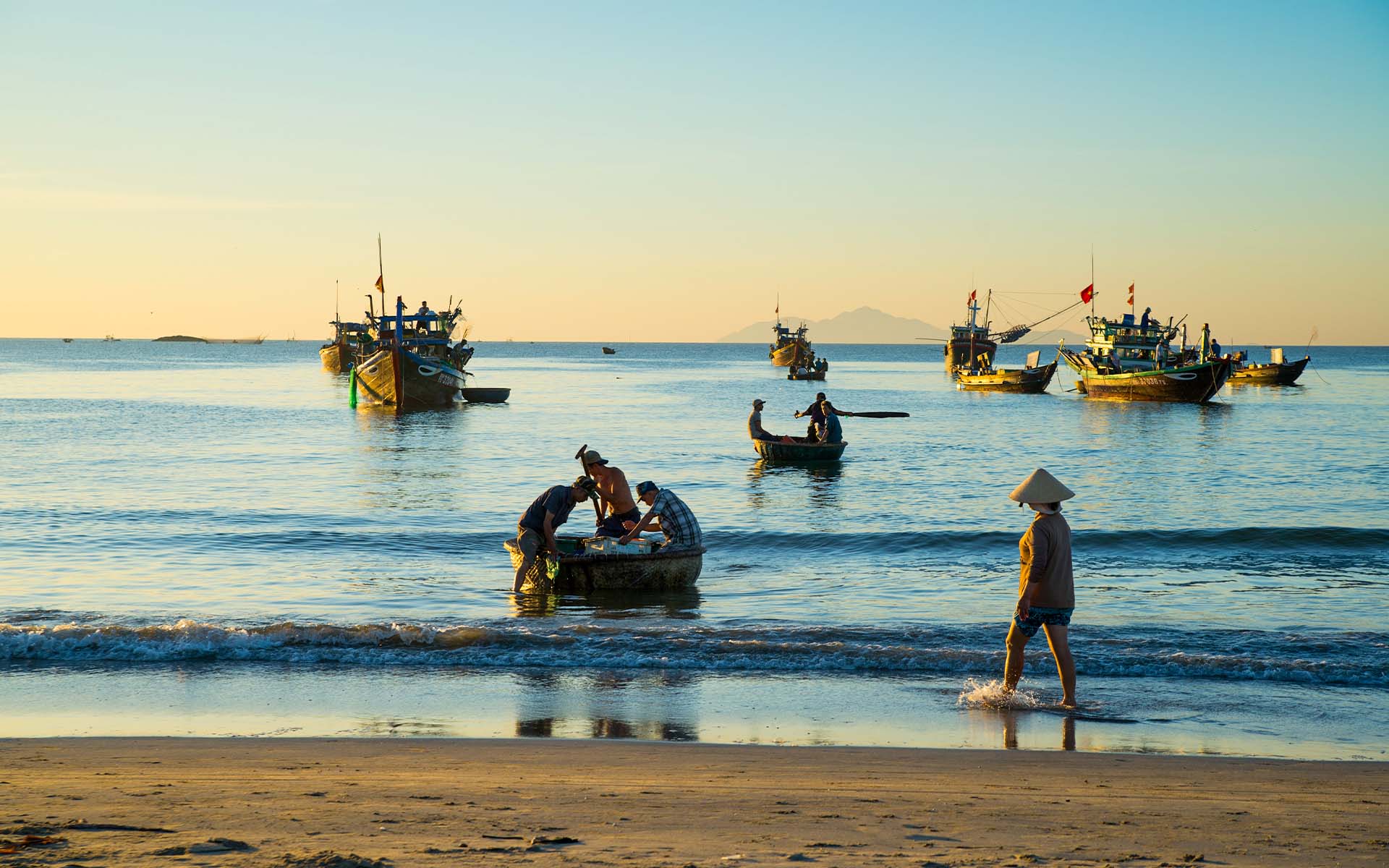
Da Nang, a coastal city in central Vietnam, is renowned for its stunning beaches, vibrant nightlife, and rich historical heritage. Nestled between the ancient town of Hoi An and the imperial city of Hue, Da Nang boasts an array of historical sites that offer a glimpse into Vietnam’s past. From ancient temples and pagodas to French colonial buildings and war relics, Da Nang’s historical sites are a testament to the city’s diverse cultural and historical influences.
Cham Museum
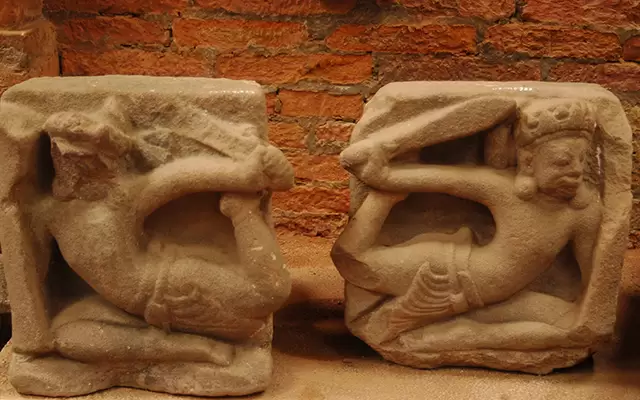
The Cham Museum, also known as the Museum of Cham Sculpture, is one of Da Nang’s most significant historical attractions. Established in 1915, the museum houses the world’s largest collection of Cham artifacts, showcasing the Cham civilization that flourished in Central and Southern Vietnam from the 2nd to the 17th centuries. Visitors can explore intricate sculptures, statues, and relics that depict Hindu deities, mythical creatures, and daily life of the Cham people. The museum’s architecture itself is a blend of French colonial and Cham styles, providing a unique cultural experience.
Marble Mountains
A short drive from the city center, the Marble Mountains are a cluster of five limestone and marble hills, each named after the five elements: metal, wood, water, fire, and earth. These mountains are home to numerous caves, tunnels, and temples, making them a spiritual and historical landmark. The most famous cave, Huyen Khong, features Buddhist statues and altars, illuminated by natural light filtering through the cave’s ceiling. The Marble Mountains also offer panoramic views of Da Nang and the surrounding coastline, making it a popular destination for both history enthusiasts and nature lovers.
Son Tra Peninsula
The Son Tra Peninsula, also known as Monkey Mountain, is not only a natural wonder but also a site of historical significance. During the Vietnam War, the peninsula served as a strategic military base for both American and South Vietnamese forces. Today, remnants of old radar stations and military bunkers can still be found, offering a glimpse into the wartime history of the region. The peninsula is also home to the Linh Ung Pagoda, which features a 67-meter tall statue of the Goddess of Mercy, the tallest Buddha statue in Vietnam. The pagoda complex, with its beautiful gardens and serene atmosphere, is a place of worship and reflection for locals and visitors alike.
Hai Van Pass
The Hai Van Pass, a scenic mountain road that connects Da Nang with the city of Hue, is steeped in history. Known as the “Ocean Cloud Pass,” it offers breathtaking views of the coast and the surrounding mountains. The pass has been a strategic military location for centuries, dating back to the times of the Cham and Dai Viet kingdoms. During the Vietnam War, it was a key supply route and witnessed numerous battles. Visitors can explore ancient fortifications, French bunkers, and war relics while enjoying the stunning natural scenery.
My Khe Beach and Red Beach
My Khe Beach, often referred to as one of the most beautiful beaches in the world, also has historical significance. During the Vietnam War, American troops first landed at Red Beach, near My Khe, marking the beginning of the U.S. ground war in Vietnam. Today, My Khe Beach is a popular tourist destination, known for its white sand, clear waters, and vibrant beachside activities. The historical significance of Red Beach adds a layer of depth to this idyllic coastal destination.
Non Nuoc Stone Carving Village
Located at the foot of the Marble Mountains, the Non Nuoc Stone Carving Village has a history that dates back over 400 years. The village is renowned for its skilled artisans who create intricate sculptures and artworks from marble and stone. Visitors can watch the craftsmen at work and purchase unique souvenirs that reflect the cultural heritage of Da Nang. The village’s history and craftsmanship have been passed down through generations, making it a living museum of traditional Vietnamese art and culture.
Ba Na Hills
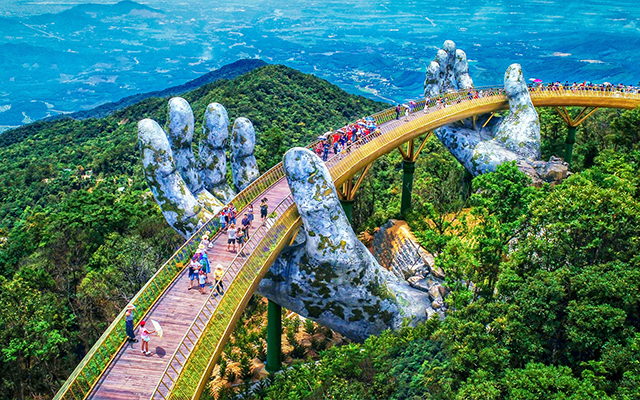
Ba Na Hills, a hill station and resort located in the Truong Son Mountains, has a rich colonial history. Established by the French in the early 20th century as a retreat from the heat of the lowlands, Ba Na Hills features French-style architecture, gardens, and a replica of a medieval French village. The hill station also houses the famous Golden Bridge, held up by two giant stone hands, offering spectacular views of the surrounding landscape. The history and architecture of Ba Na Hills provide a fascinating contrast to the natural beauty of the area.
List of Famous Historical Sites in Da Nang
- Cham Museum
- Marble Mountains
- Son Tra Peninsula
- Hai Van Pass
- My Khe Beach and Red Beach
- Non Nuoc Stone Carving Village
- Ba Na Hills
- Ba Na Hills
- Marble Mountains
- My Khe Beach
- Hai Van Pass
Quang Tri
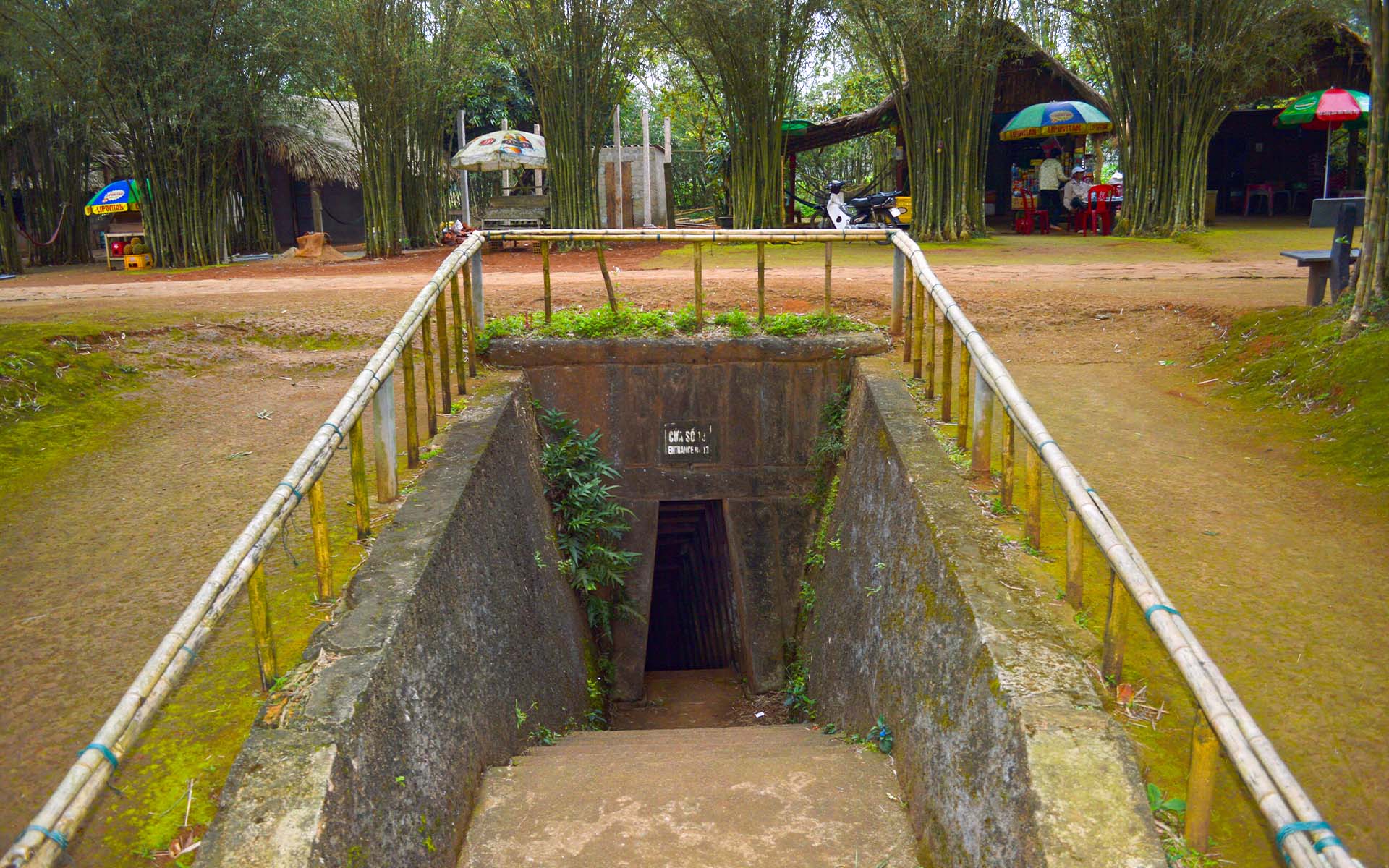
Located in Central Vietnam, Quang Tri province holds deep historical significance due to its pivotal role during the Vietnam War. One of the most remarkable sites is the Vinh Moc Tunnels, an underground network built by local villagers to shelter from intense bombings—stretching over 2,000 meters and reaching depths of 30 meters. Another important landmark is the Quang Tri Citadel, originally constructed in the early 19th century during the Nguyen Dynasty, but later became a fierce battleground during the 1972 Easter Offensive. Visiting these places offers a profound glimpse into the resilience and courage of the Vietnamese people.
Top historical sites in Quang Tri:
- Vinh Moc Tunnels
- Quang Tri Citadel
- Hien Luong Bridge and Ben Hai River
- Truong Son National Cemetery
- La Vang Sanctuary
Mekong Delta
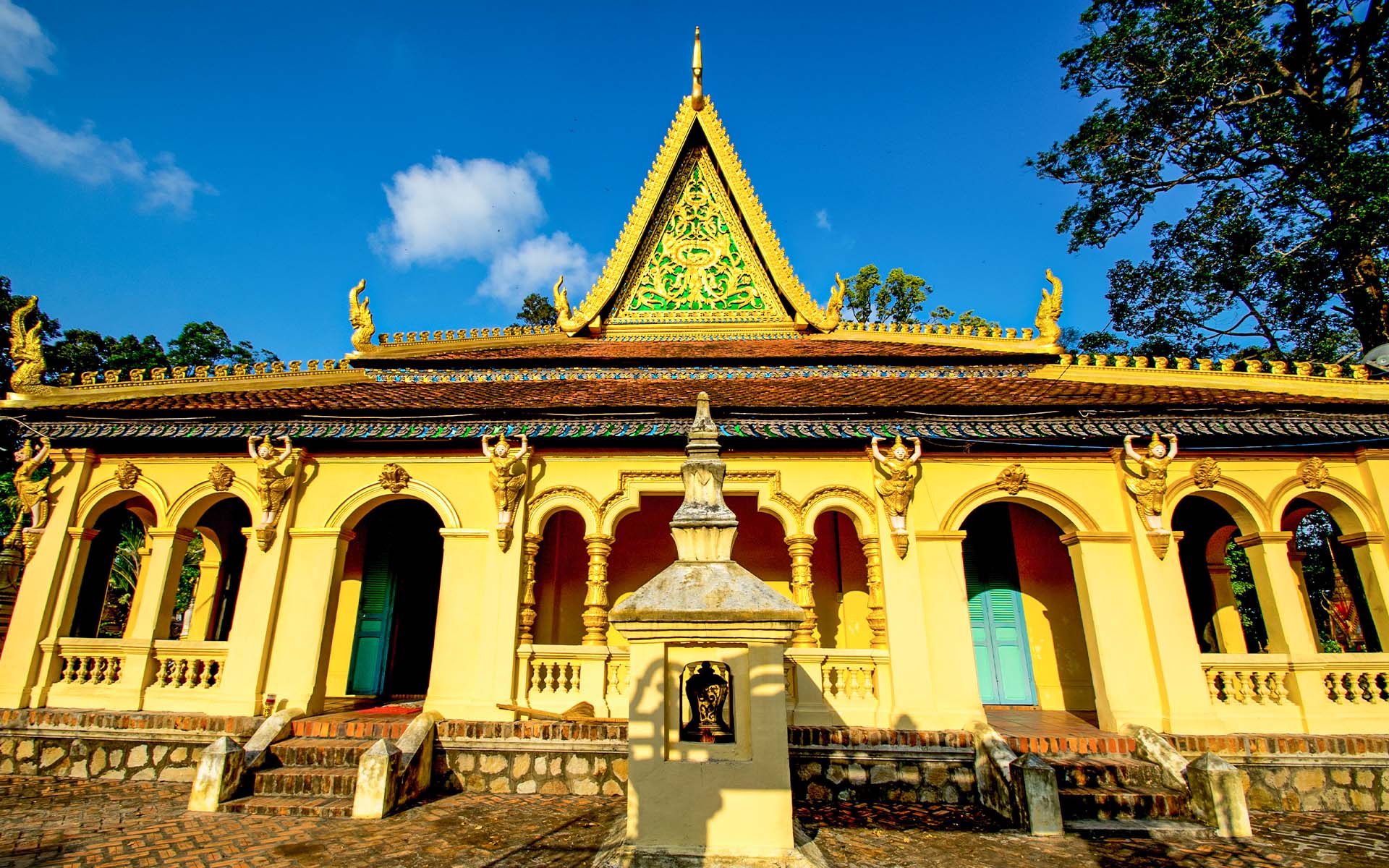
Exploring the Mekong Delta unveils a rich tapestry of Vietnam’s history and culture, where ancient temples, colonial relics, and traditional villages offer a glimpse into the past. This vibrant region, known for its sprawling waterways and lush landscapes, is a treasure trove of historical sites that tell the story of Vietnam’s diverse heritage. From the architectural splendor of Khmer pagodas to the remnants of French colonial architecture, each site provides a unique insight into the region’s historical evolution.
Some notable historical sites in the Mekong Delta include:
- Vinh Trang Pagoda in My Tho
- Cai Be Cathedral in Cai Be
- Truc Lam Phuong Nam Zen Monastery in Can Tho
- Huynh Thuy Le Ancient House in Sa Dec
- Ba Om Pond in Tra Vinh
- Oc Eo Archaeological Site in An Giang
Ba Ria – Vung Tau
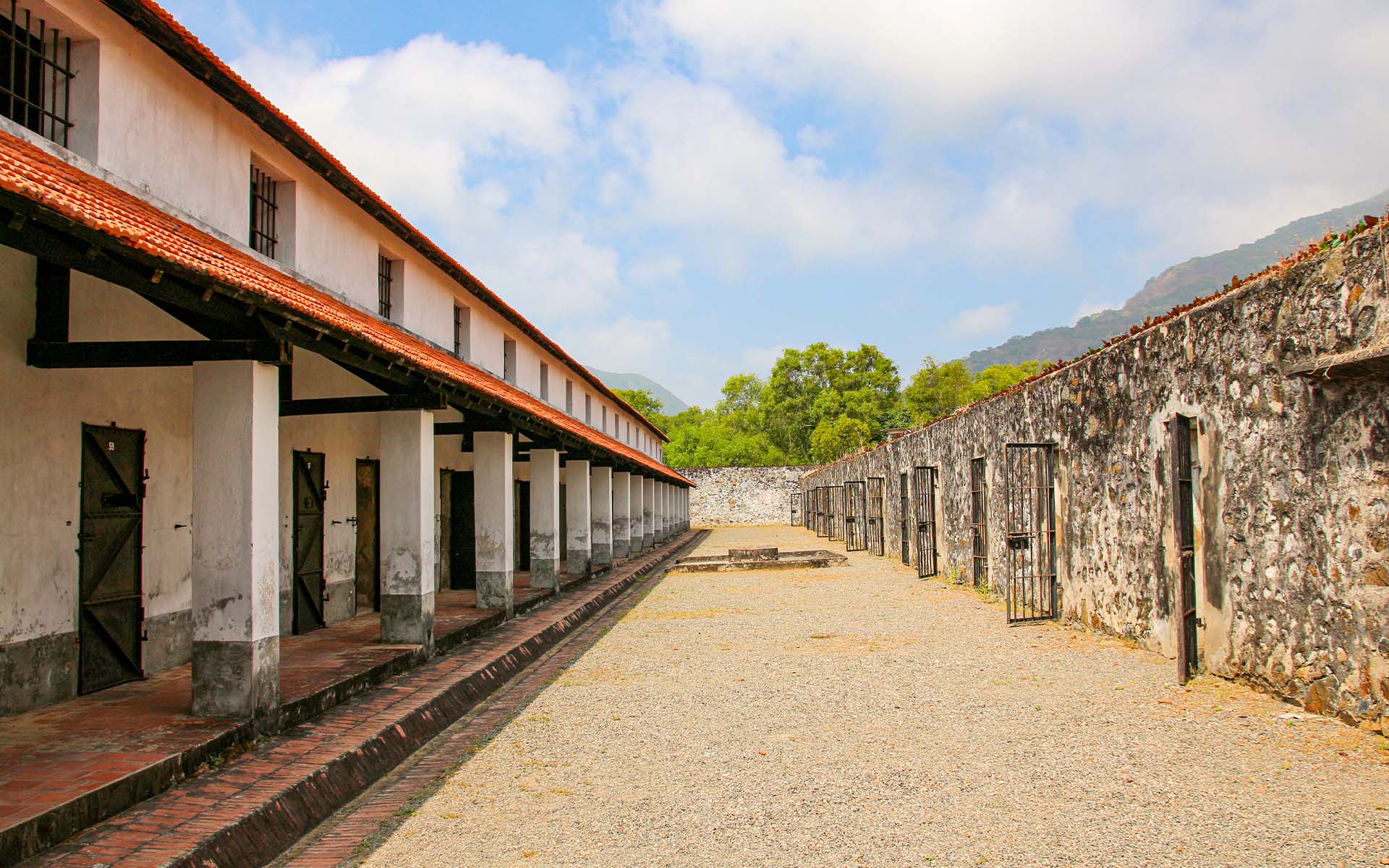
Ba Ria – Vung Tau province offers a rich tapestry of historical sites that reveal the region’s storied past. Visitors can explore the intriguing Dinh Co Temple, a sanctuary that blends traditional Vietnamese architecture with captivating legends. The province is also home to the White Palace, an elegant French colonial-era mansion perched on a hill, offering panoramic views of the sea. The poignant Long Tan Cross Memorial pays tribute to the soldiers who fought in the Vietnam War, serving as a place of reflection and remembrance. Additionally, the historical vestiges of the Con Dao Prison complex, once used by French colonizers, provide a stark glimpse into the harsh conditions endured by Vietnamese patriots. Each site tells a unique story, making Ba Ria – Vung Tau a compelling destination for history enthusiasts.
Most Historical Attractions in Ba Ria – Vung Tau:
- Dinh Co Temple
- White Palace
- Long Tan Cross Memorial
- Con Dao Prison Complex
- Thich Ca Phat Dai Pagoda
- Minh Dam Mountain
- Whale Temple
- Ho May Park
- Bach Dinh (White Villa)
- Martyrs’ Memorial
- Con Dao Islands
- Ba Ria Cathedral
Phu Quoc
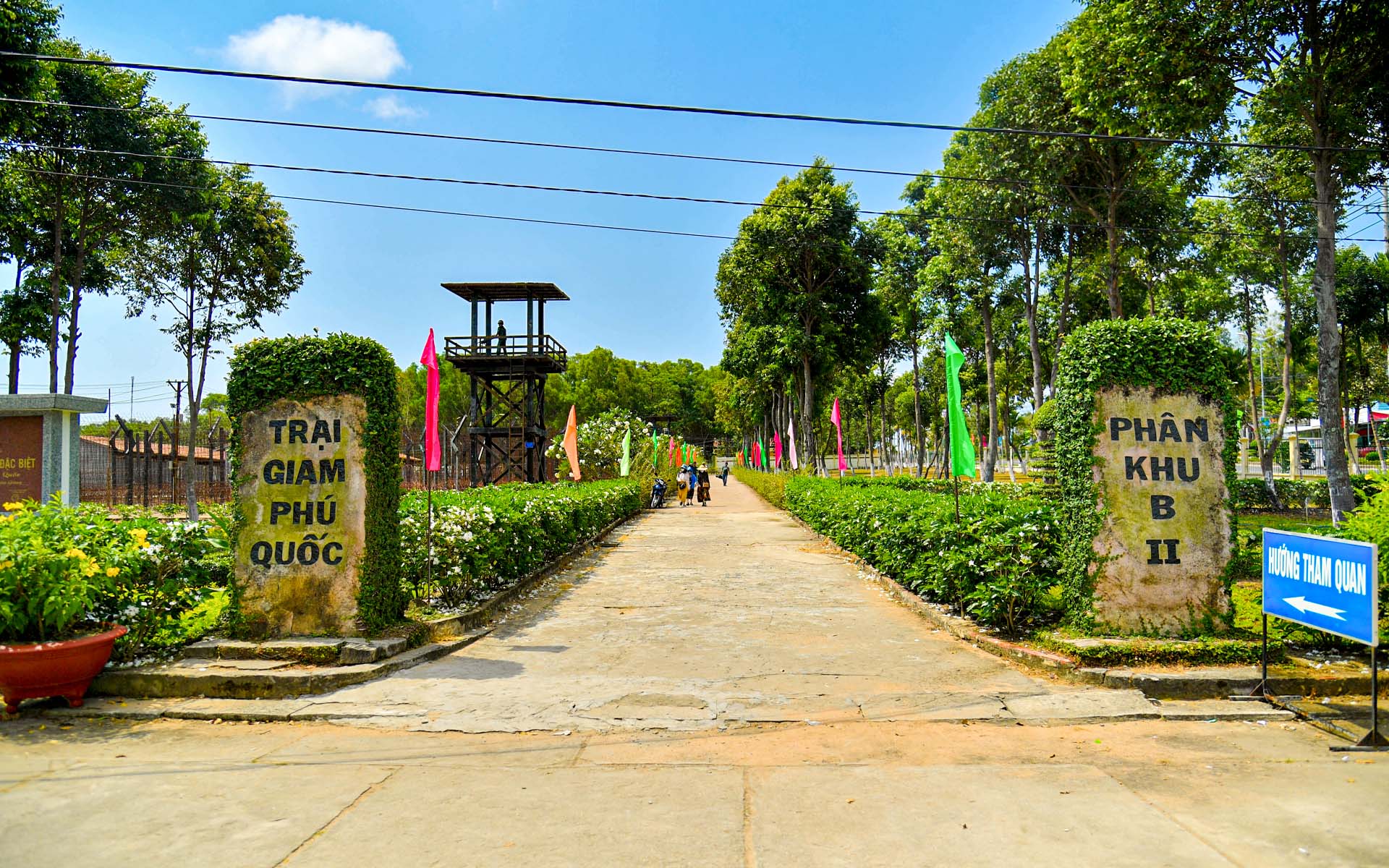
Phu Quoc, an island rich in history and culture, offers a captivating journey through Vietnam’s past. One of the most intriguing sites is the Phu Quoc Prison, also known as Coconut Tree Prison, where visitors can witness remnants of the harrowing experiences of war prisoners. Another remarkable site is the Dinh Cau Night Market, which, aside from being a bustling hub for local delicacies and souvenirs, holds historical significance due to its proximity to the iconic Cau Temple, a symbol of the islanders’ spiritual heritage. Furthermore, Ham Ninh Fishing Village provides a glimpse into the traditional life of local fishermen, preserving the essence of Phu Quoc’s maritime history. These sites, along with the Su Muon Pagoda, Nguyen Trung Truc Temple, and the ancient May Rut Island, collectively narrate the rich tapestry of Phu Quoc’s historical and cultural evolution.
Most historical attractions in Phu Quoc:
- Phu Quoc Prison (Coconut Tree Prison)
- Dinh Cau Night Market
- Cau Temple
- Ham Ninh Fishing Village
- Su Muon Pagoda
- Nguyen Trung Truc Temple
- May Rut Island
Other Vietnam Historical Sites
Beyond Vietnam’s most famous landmarks, the country possesses a wealth of lesser-known cultural heritage sites that offer profound insights into Vietnamese traditions, spirituality, and way of life. These sites reveal the depth and diversity of Vietnam’s cultural landscape.
Nam Dinh:
- Pho Minh Pagoda
- Co Le Pagoda
Thai Binh:
- Keo Pagoda
Nghe An:
- Kim Lien
- Hoang Tru
Ha Tinh:
- Huong Tich Cave
- Nguyen Du Memorial House
Hai Phong:
- Hai Phong Opera House
- Cat Ba Island
Lao Cai:
- Bac Ha Market
Hoa Binh:
- Mai Chau Ecolodge
- Thac Bo Temple