Weather in Vietnam in January: Regional Climate, Events & Travel Tips
The best time to visit Vietnam all depends on what type of weather you love, what you want to do, and how much (or how little) you’re into crowds. In this topic, Vietnam Travel provides weather information in January that is one of the best months for international tourists to spend their holidays in Vietnam. January possesses the most diverse weather characteristics throughout the country when the South becomes close to its hottest, the Central steps out of its wet season while the North experiences cooler, or even cold weather. As the first month of the new year and the last month in Vietnamese Lunar year (late January – mid February), the atmosphere in Vietnam will generally be bustling and festive during this month to celebrate Tet Holiday.
Quick climate at a glance (January)
- North (Hanoi, Halong): Dry, cool — ~15–20°C, very low rainfall.
- Central (Da Nang, Hoi An): Warming, less rain — ~20–24°C.
- South (HCMC, Phu Quoc): Warm & sunny — ~25–28°C, minimal rain.
The weather in Vietnam in January varies by region — cool and dry in the North (≈12–20°C), mild in the Central regions (≈20–25°C), and warm and sunny in the South (≈25–28°C).
Let’s read more to know what to expect and be prepared as you are traveling through 3 regions in Vietnam…
January Weather by Region
January is one of the best months to visit Vietnam for many travellers. Weather in Vietnam in January is regionally varied — the north is dry and cool, central areas are warming as the wet season ends, and the south is sunny and warm — making January ideal for beach trips, cultural visits and Tet experiences.
What to expect in Northern Vietnam
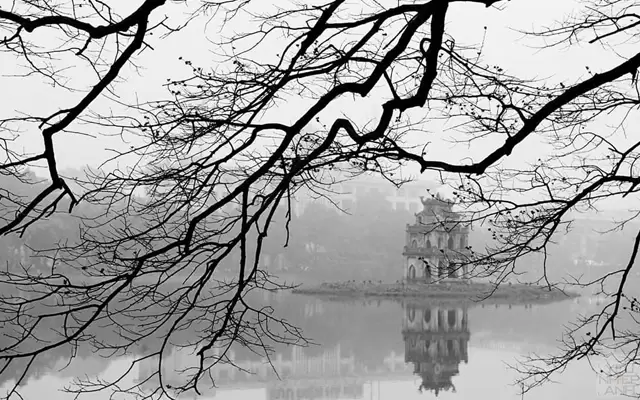
Northern Vietnam in January is mostly dry and cool. Hanoi typically sees low rainfall and average daytime temperatures near 15–20°C, with colder mornings in higher elevations (Sapa, Ha Giang) where temperatures can drop to near freezing and occasional snow is possible.
This part includes Northwest, Northeast and Red River Delta, with 25 cities and provinces.
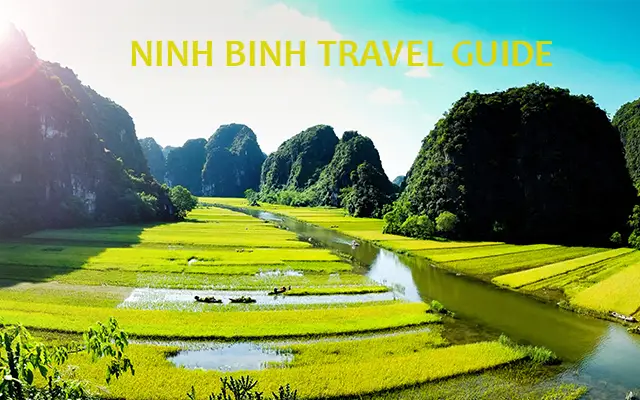
Popular destinations: Hanoi, Halong Bay, Ninh Binh, Sapa, Mai Chau and Ha Giang.

January in Hanoi and North Vietnam is one of the driest months of the year with the prime of winter which brings almost no rain. Average temperature will be around 20oC, and annual rainfall is also mostly at its lowest of approx. 40mm.
Water activities in Halong Bay, Cat Ba island and other beaches in North Vietnam are quite impossible due to the cold temperature.
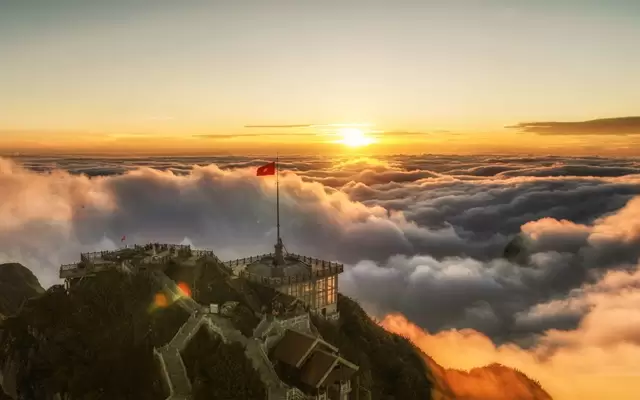
In the far North (mountainous areas) such as Sapa, Mau Son (Lang Son), Ha Giang, etc, the conditions are dry but chilly, and sometimes foggy, especially in the early morning or late night. There is a chance of getting snow in these areas as well.
As being quite hazy at this period of year, this seems not the best time for photo hunters.
Suitable clothing and shoes are recommended.
Central Vietnam
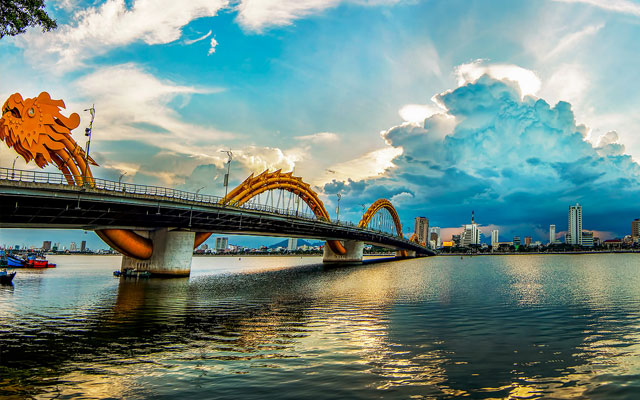
Central Vietnam in January is transitioning out of the wet season: expect milder temperatures around 20–24°C with improving sunshine later in the month — good for beach days in Da Nang, Hoi An and Nha Trang.
This part includes North Central, South Central Coast and Central Highlands, with 19 cities and provinces.
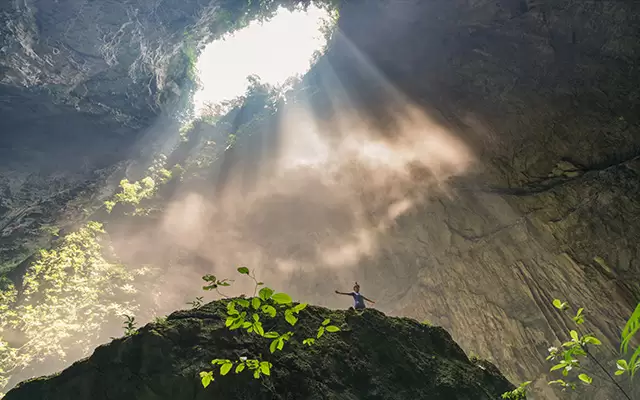
Popular destinations: Quang Binh, Hue, Danang, Hoian, Quy Nhon, Nha Trang.

This part of Vietnam in January has warmer weather than the North with the average temperature at around 23oC. The wet season draws to an end and prolonged rainfall rarely occurs, especially during the 2nd half of the month. The beaches such as Danang, Hoian, Quy Nhon and Nha Trang, etc. shake off their winter coats and slowly return to their glory days. However, the weather in the Central Highlands is still cooler, chilly, in particular in the morning and at midnight.
You can prepare swimwear, appropriate light clothing, and some warm clothes for evenings and early mornings when the temperature is much cooler than daytime.
Southern Vietnam
The South is typically the sunniest and warmest in January — daytime averages about 25–28°C, low rainfall and excellent beach conditions on Phu Quoc and the southern coast.
This part includes Southeast and Mekong River Delta, with 19 cities and provinces.
Highlights: Ho Chi Minh City, Phan Thiet & Mui Ne, Mekong Delta, Vung Tau, Con Dao Phu Quoc, etc.
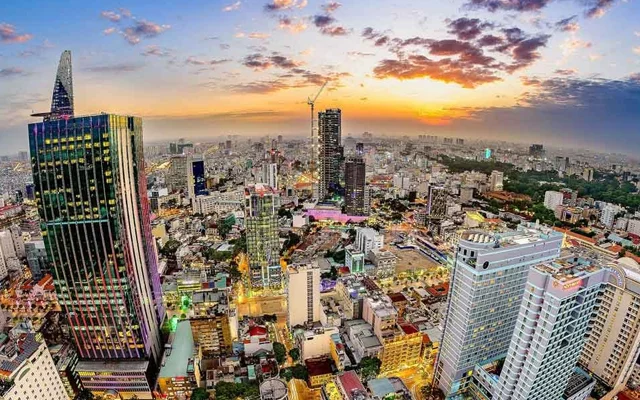
The South of Vietnam in January possesses some of the best conditions of the year with blue skies and little rain expected across the region. The beaches such as Phan Thiet/ Mui Ne, Ho Tram, Long Hai are basking in sunshine. It is the same with the southern islands of Phu Quoc and Con Dao. In Ho Chi Minh City, the weather remains hot in the daytime and becomes cooler in the nighttime with low humidity and the average temperature at 26°C.
Top places to visit in January
January brings sunny, dry weather in southern and central Vietnam and cool, refreshing air in the north — perfect for travel. In the south, enjoy Ho Chi Minh City’s Tet buzz, the Mekong Delta’s floating markets, and Phu Quoc Island’s beaches. Central Vietnam offers Hoi An’s ancient charm and Da Nang’s beaches and Marble Mountains. In the north, explore Hanoi’s Old Quarter, cruise Ha Long Bay in misty beauty, and trek Sapa’s cool mountains.
January in Vietnam offers excellent travel conditions — warm, sunny weather in the south and central regions, and cool, dry air in the north. It’s a great month to enjoy beaches, cultural heritage, and scenic landscapes, with Tet (Lunar New Year) adding festive energy.
Southern Vietnam
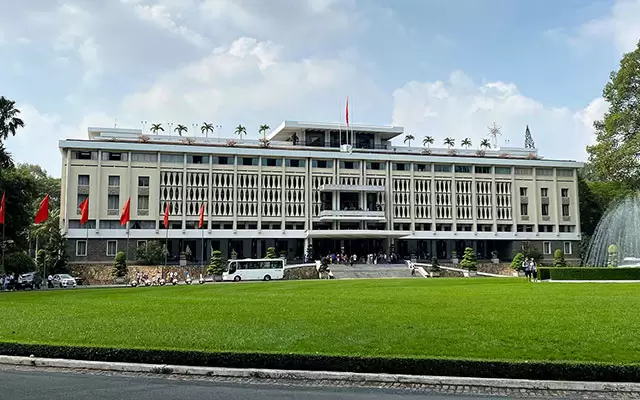
- Ho Chi Minh City: Bustling streets, French colonial landmarks, vibrant nightlife, and Tet preparations create a lively atmosphere.
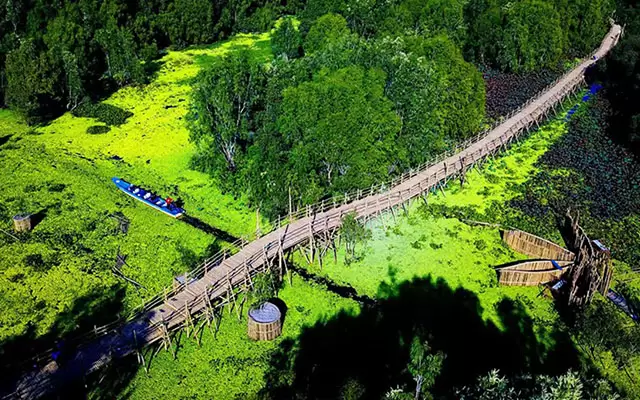
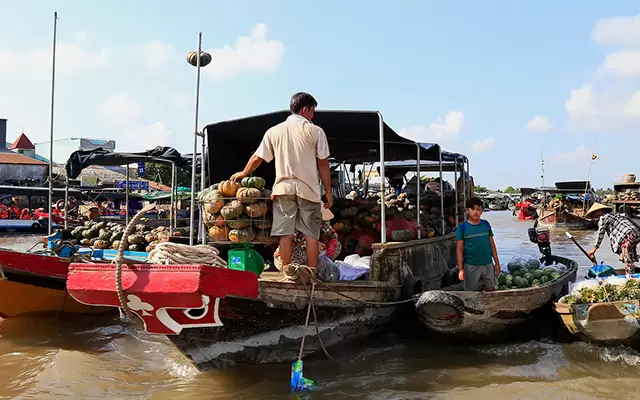
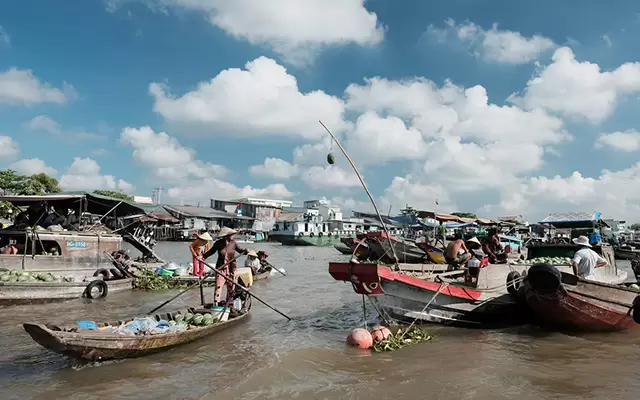
- Mekong Delta: Peaceful boat rides, floating markets, and authentic rural culture.
- Phu Quoc Island: Tropical beaches, clear waters, and ideal swimming conditions.
Central Vietnam
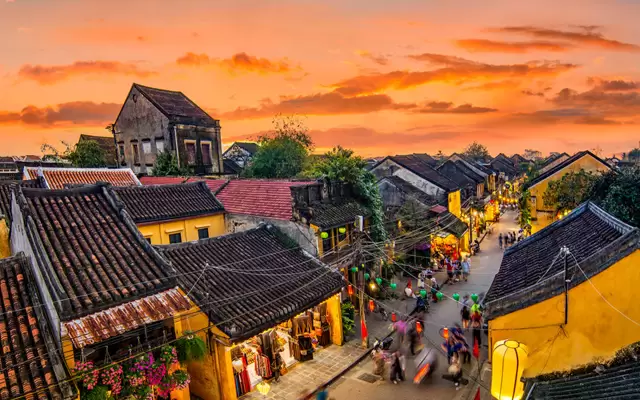
- Hoi An: UNESCO-listed ancient town, lantern-lit evenings, and perfect weather for strolling.
- Da Nang: Long sandy beaches, Marble Mountains, and a mix of modern city life with coastal charm.
Northern Vietnam
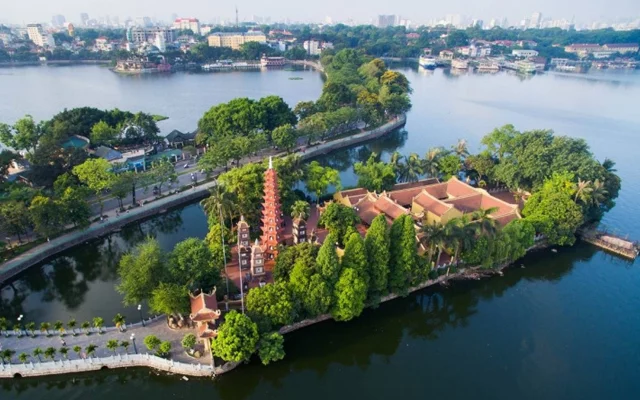
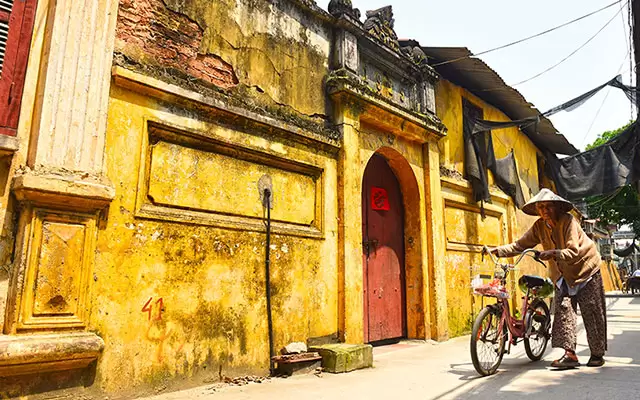
- Hanoi: Old Quarter exploration, street food tours, and rich cultural heritage.
- Ha Long Bay: Dramatic limestone karsts, with light fog adding mystical beauty.
- Sapa: Mountain trekking, ethnic minority villages, and rare chance of snow in early January.
January Events
January is one of the most festive months in Vietnam, highlighted by Tet Nguyen Dan (Lunar New Year) — the country’s biggest and most colorful celebration, marked by lion dances, family gatherings, and vibrant street decorations. Travelers can also enjoy the Dalat Flower Festival and Sa Dec Flower Festival, where millions of blooms create breathtaking displays. In some years, local cultural fairs, traditional music performances, and calligraphy markets add even more charm to the month. It’s a perfect time to experience Vietnam’s traditions, artistry, and festive spirit.
Tet – Vietnamese lunar New Year

This nationwide celebration usually falls between late January and mid-February (varying by year). This period becomes the most important event of the year when drawing Vietnamese back to their ancestral homes. You can feel the festive atmosphere when Lunar New Year coming so close throughout the country. Although there will be some limits on visits or activities if you travel right in Tet Holiday because most services are in closure, especially in Northern Vietnam, it is a chance for you to experience the Vietnamese culture deeper, especially when you are invited to a hosted family in these days.
Tet (Vietnamese Lunar New Year) usually falls between late January and mid-February; dates vary annually — expect closures and surcharges during the holiday period, and book accommodations and tours early. Plan early for Tet (late Jan–mid Feb varying) — book hotels and internal flights 6–8 weeks ahead to avoid closures and surcharges.
Dalat Flower Festival

Being held in early January, this biennial festival features elaborate and mammoth floral displays, plus live music, fashion shows, and more. This is always a wonderful occasion and also becomes an international event.
Sa Dec Flower Festival

It can be said that Sa Dec (Dong Thap Province) is the second flower city after Dalat. Visiting Sa Dec, you have chance to see a kind of flower kingdom. The flower festival is proposed to open from December to February so the visitors can come to admire the beauty of flowers as well as to enjoy many activities of the locals in Western waters. If anyone would like to buy some, don’t hesitate to choose your favorite kind to bring home.
Packing List & Practical Tips
Packing List for Vietnam in January
- Clothing: Light layers for the south; warm jacket, sweater, and long pants for the north (especially Sapa/Hanoi).
- Footwear: Comfortable walking shoes; sandals for the south.
- Rain gear: Light rain jacket or compact umbrella (for occasional showers).
- Accessories: Hat, sunglasses, sunscreen for the south; scarf and gloves for cold northern areas.
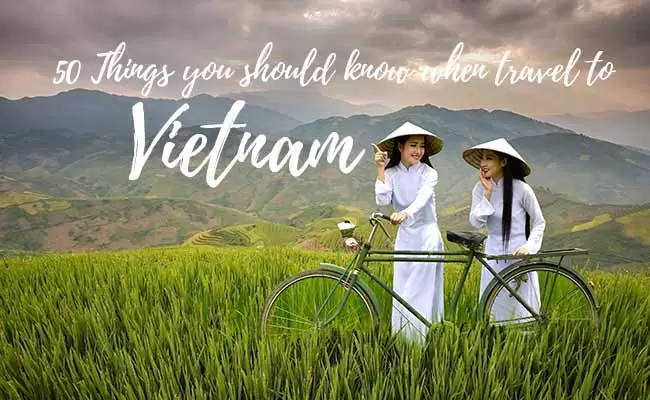
- Health & safety: Basic medicines, mosquito repellent, and travel insurance documents — see 50 Things You Should Know When Traveling to Vietnam.
- Electronics: Universal adapter, power bank, and waterproof phone pouch if boating (e.g., Halong Bay) — see Electric Plugs Used in Vietnam.
Practical Tips
- Plan for temperature changes: North can drop to 10°C (50°F) or lower; south stays around 27–30°C (81–86°F).
- Book early for Tet: Transport and hotels fill up weeks in advance.
- Cash & payments: Carry Vietnamese dong; ATMs may be busy during Tet.
- Transport flexibility: Some routes have reduced service during Tet.
- Cultural respect: Dress modestly when visiting temples and during holiday gatherings.
However, please be aware that there will be a shortage of services during the Tet celebration as many shops, markets, offices… are closed, and surcharges from 20-30% from the normal rate of high season are also expected to apply for this period of time. If your trip falls on the 1st, 2nd, or 3rd day of the Lunar New Year in Vietnam, prepare lucky money in a red envelope (lì xì) to give your guides and driver. This gesture is seen as a symbol of good fortune and will leave a very positive impression. You can also offer lucky money to other close acquaintances during these festive days.
In summary, coming to Vietnam in January will bring you a lots of choice and experience when travelling throughout the country. Hopefully you and your family have a well-prepared packing and plan a holiday with us soon. We are here and be always ready to assist any of your requirements!
- Light layers + warm jacket for north mornings and mountains (Sapa, Ha Giang).
- Swimwear + sun protection for beaches (Phu Quoc, Nha Trang).
- Rain layer for central short showers (carry a light raincoat).
- Formal outfit for temple visits (cover shoulders/knees).

FAQs
Is January a good time to visit Vietnam?
Yes. January offers dry, cool weather in the north, pleasant conditions in the central coast, and warm sunshine in the south — ideal for most travel activities.
Is Vietnam rainy in January?
No. Most regions are in the dry season, except for occasional showers in the far south.
Is Vietnam cheap in January?
Prices typically spike in December and January due to the holiday season and peak tourist numbers. However, if you plan 6–12 months in advance, you can still secure great deals. Contact Vietnam Travel Consultant now to book your private tour before it’s too late and enjoy early-bird offers.
What is the weather like in Hanoi in January?
Cool and dry, averaging 15–20°C (59–68°F), with occasional light mist or drizzle.
Is Phu Quoc good for swimming in January?
Yes. Warm temperatures (~27–30°C / 81–86°F) and calm seas make it ideal for beach activities.
Can it snow in Sapa in January?
Rarely, but possible. Cold fronts can bring temperatures near or below 0°C (32°F), causing occasional snow or frost.
Will Tet affect my trip?
Yes. Tet (Lunar New Year) can cause business closures, higher prices, and limited transport, but also offers vibrant cultural experiences.
Is Halong Bay worth visiting in January?
Yes. Cool, dry weather with light fog creates dramatic scenery, though temperatures may be chilly for swimming.
Is Ho Chi Minh cold in January?
No, Ho Chi Minh City is not cold in January. While northern Vietnam (Hanoi, Sapa) experiences cool weather in January requiring jackets and layers, Ho Chi Minh City remains tropical and pleasant. January is actually one of the most comfortable months in Ho Chi Minh City – warm but not excessively hot, with low humidity and minimal rain. You’ll need lightweight, breathable clothing rather than warm layers.
Temperature range:
- Warm and dry weather with temperatures 20-30°C
- Daily temperatures typically range from 21-32°C (70-90°F)
Weather characteristics:
- January is part of the dry season with minimal rainfall.
- Low humidity compared to other months
- Plenty of sunshine and clear skies
Please check information about Vietnam weather in other months of year:
- https://vietnamtravel.com/vietnam-weather/
- https://vietnamtravel.com/vietnam-weather-in-february/
- https://vietnamtravel.com/weather-of-march-in-vietnam/
- https://vietnamtravel.com/vietnam-weather-in-april/
- https://vietnamtravel.com/vietnam-weather-in-may/
- https://vietnamtravel.com/vietnam-weather-in-june/
- https://vietnamtravel.com/vietnam-weather-in-july/
- https://vietnamtravel.com/vietnam-weather-in-august/
- https://vietnamtravel.com/vietnam-weather-in-september/
- https://vietnamtravel.com/vietnam-weather-in-october/
- https://vietnamtravel.com/vietnam-weather-in-november/
- https://vietnamtravel.com/vietnam-weather-in-december/
Related Posts
Our Recommendations


You May Also Like