Vietnam Culture Day: Understanding the Traditions, Heritage and Identity of Vietnam
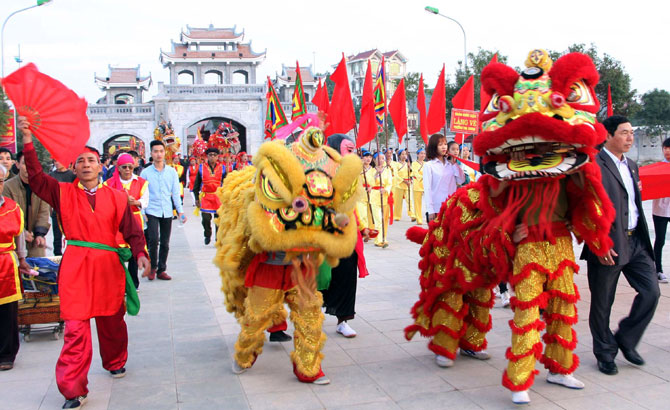
Performers in colorful lion dance costumes lead a festive procession in front of a stone gate.
Celebrated annually on November 24, Vietnam Culture Day (Ngày Văn hóa Việt Nam) honors the country’s cultural identity, historical heritage, traditional values, and creative achievements. It is an occasion for Vietnamese people to reflect on their shared history, celebrate the diversity of their communities, and preserve the cultural traditions that connect generations.
For international travelers, Vietnam Culture Day offers a deeper perspective on a country often associated with its dramatic landscapes, historic cities, and distinctive cuisine. From the ancient streets of Hanoi and the imperial architecture of Hue to the traditional villages of the northern mountains and the waterways of the Mekong Delta, Vietnamese culture is expressed through everyday life. Understanding these traditions can make a journey through Vietnam considerably more meaningful.
What Is Vietnam Culture Day?
Vietnam Culture Day is a national celebration held on November 24 each year to recognize the importance of culture in Vietnamese society and encourage the preservation, development, and appreciation of the country’s cultural heritage.
Its purpose extends beyond celebrating historical monuments, traditional festivals, or artistic achievements. The occasion also recognizes the values, knowledge, customs, languages, beliefs, and social relationships that contribute to Vietnam’s national identity.
Vietnam is home to 54 officially recognized ethnic groups, each contributing distinct cultural traditions to the country’s collective heritage. These traditions range from the folk songs of the Red River Delta and the gong culture of the Central Highlands to the weaving practices of northern mountain communities and the religious festivals of the Khmer people in southern Vietnam.
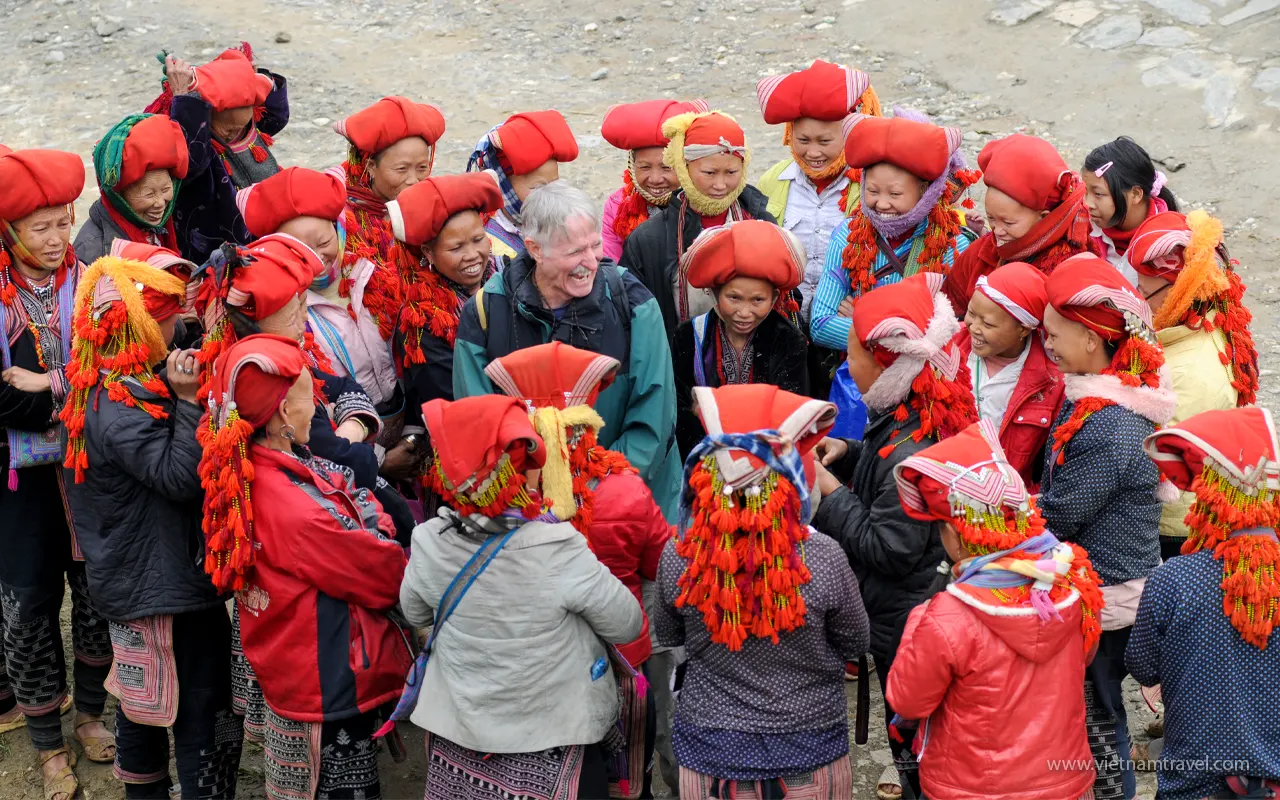
A visitor interacts with a group of Red Dao women wearing traditional attire in Sapa.
Vietnam Culture Day encourages cultural participation through activities such as exhibitions, artistic performances, heritage education, community celebrations, and traditional craft demonstrations. Programs may differ between destinations and from year to year, reflecting the cultural characteristics of individual communities.
At its heart, the occasion recognizes culture as something that belongs to everyone. It is both an inheritance from previous generations and a living part of contemporary Vietnamese society.
The Historical Origins of Vietnam Culture Day
The significance of November 24 dates back to 1946, when the First National Cultural Conference opened at the Hanoi Opera House.
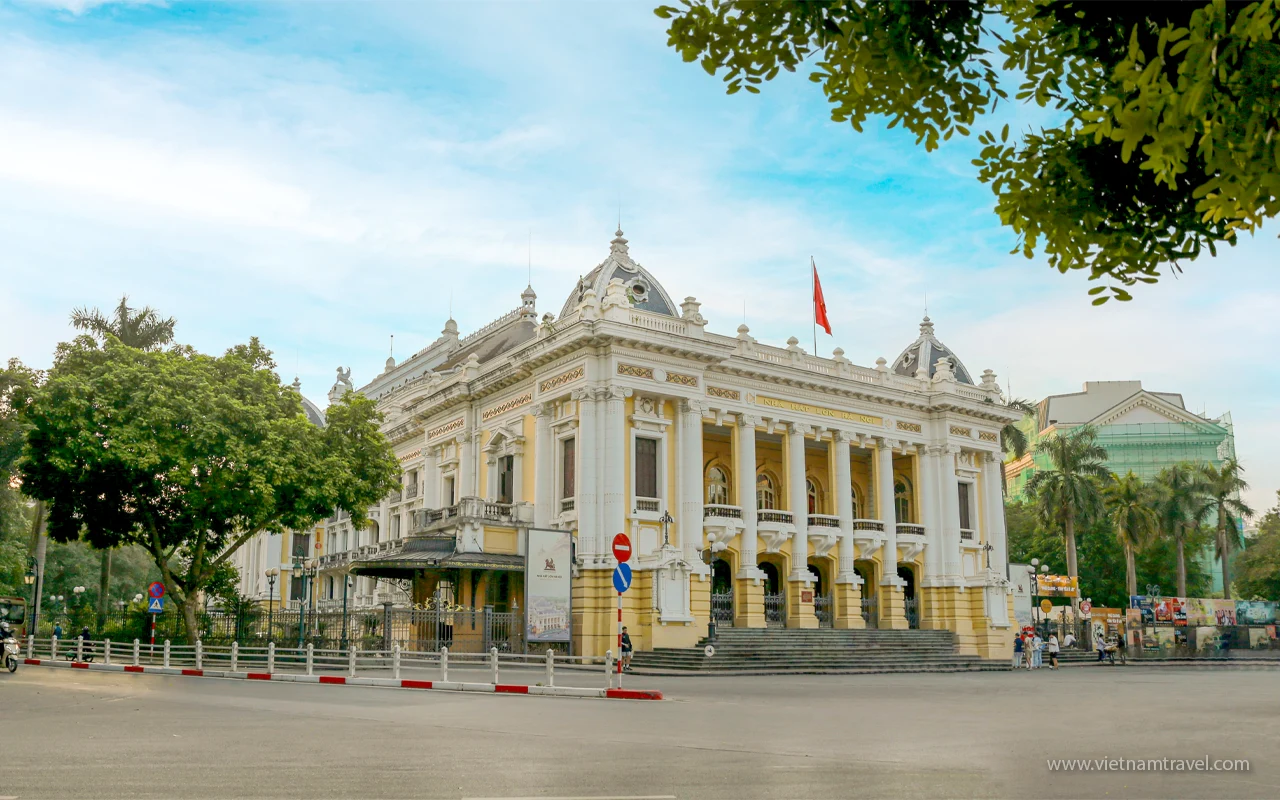
The historic Hanoi Opera House stands as a prominent colonial-era landmark in Hanoi.
Vietnam had declared independence on September 2, 1945, following decades of French colonial rule and the upheaval of the Second World War. The newly established Democratic Republic of Vietnam faced considerable political, economic, and social challenges, including the question of how culture could contribute to building an independent nation.
On November 24, 1946, intellectuals, writers, artists, and representatives of the cultural community gathered in Hanoi to discuss the future direction of Vietnamese culture. President Ho Chi Minh attended the conference and delivered its opening address, emphasizing the essential role of culture in national development and social progress.
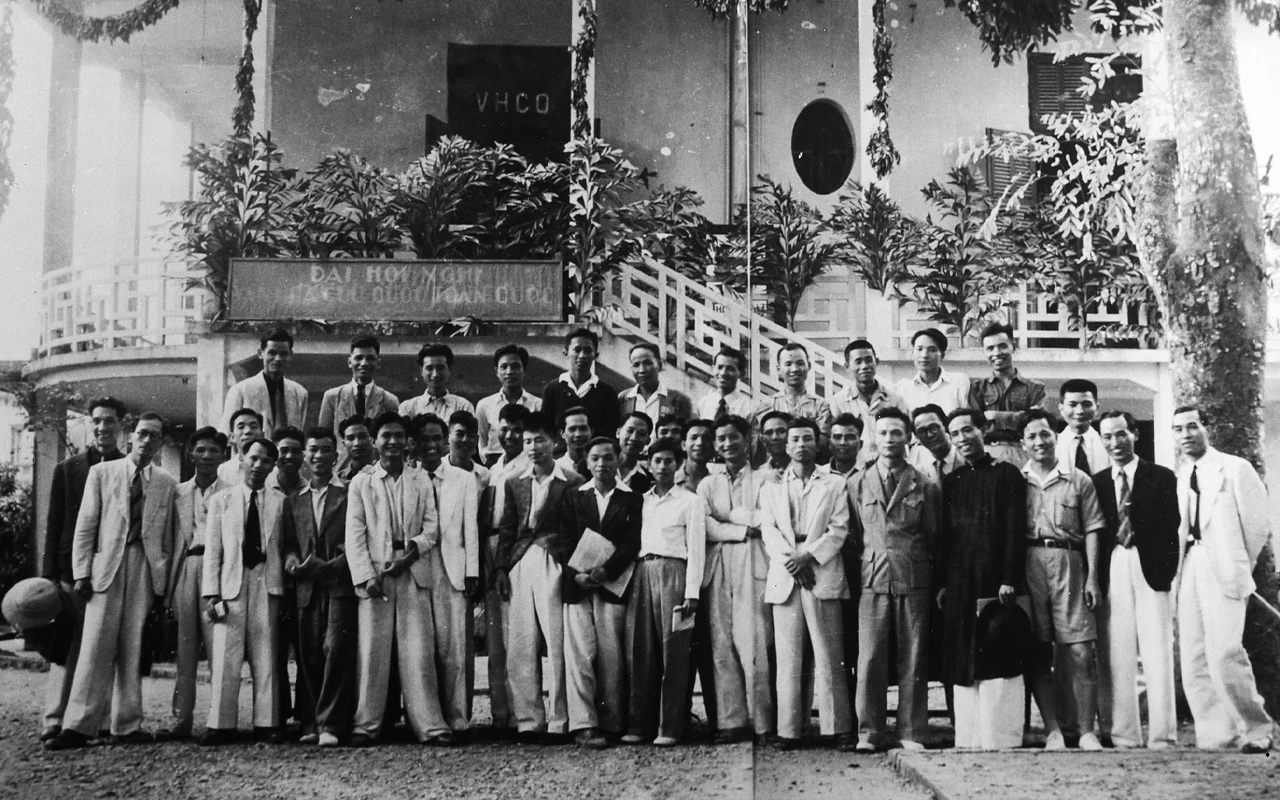
Delegates gather for a group portrait at the first National Cultural Conference in Vietnam. (site:phunuvietnam.vn)
The conference became an important milestone in modern Vietnamese cultural history. It encouraged the development of a cultural identity rooted in national traditions while recognizing the importance of education, artistic creativity, and intellectual advancement.
Its historical significance explains why November 24 was chosen as Vietnam Culture Day. The annual occasion commemorates not only a defining moment in the country’s modern history but also the continuing responsibility of preserving and developing Vietnamese culture.
November 24 Becomes Vietnam’s National Culture Day
November 24, 2026, marked the first official nationwide observance of Vietnam Culture Day under the new national policy. Following Politburo Resolution No. 80-NQ/TW of January 7, 2026, the National Assembly adopted Resolution No. 28/2026/QH16 on April 24, 2026, formally designating November 24 as Vietnam Culture Day. The resolution took effect on July 1, 2026, and Article 2 established the annual occasion as a paid public holiday, entitling employees to a day off with full pay.
The Cultural Values That Shape Vietnamese Identity
Vietnamese culture has developed through centuries of agricultural life, regional exchange, religious traditions, foreign influences, and historical change. Although customs differ across communities, several cultural values remain influential in Vietnamese society.
Family and Ancestral Traditions
Family occupies an important place in Vietnamese social life. Relationships between generations, responsibilities toward parents, and connections with extended family members often influence major life decisions and annual celebrations.
Ancestor worship is one of the most recognizable expressions of these relationships. Many Vietnamese households maintain an ancestral altar decorated with photographs, incense, flowers, and offerings. Families may gather to commemorate the anniversary of a relative’s death, welcome the Lunar New Year, or mark important family occasions.
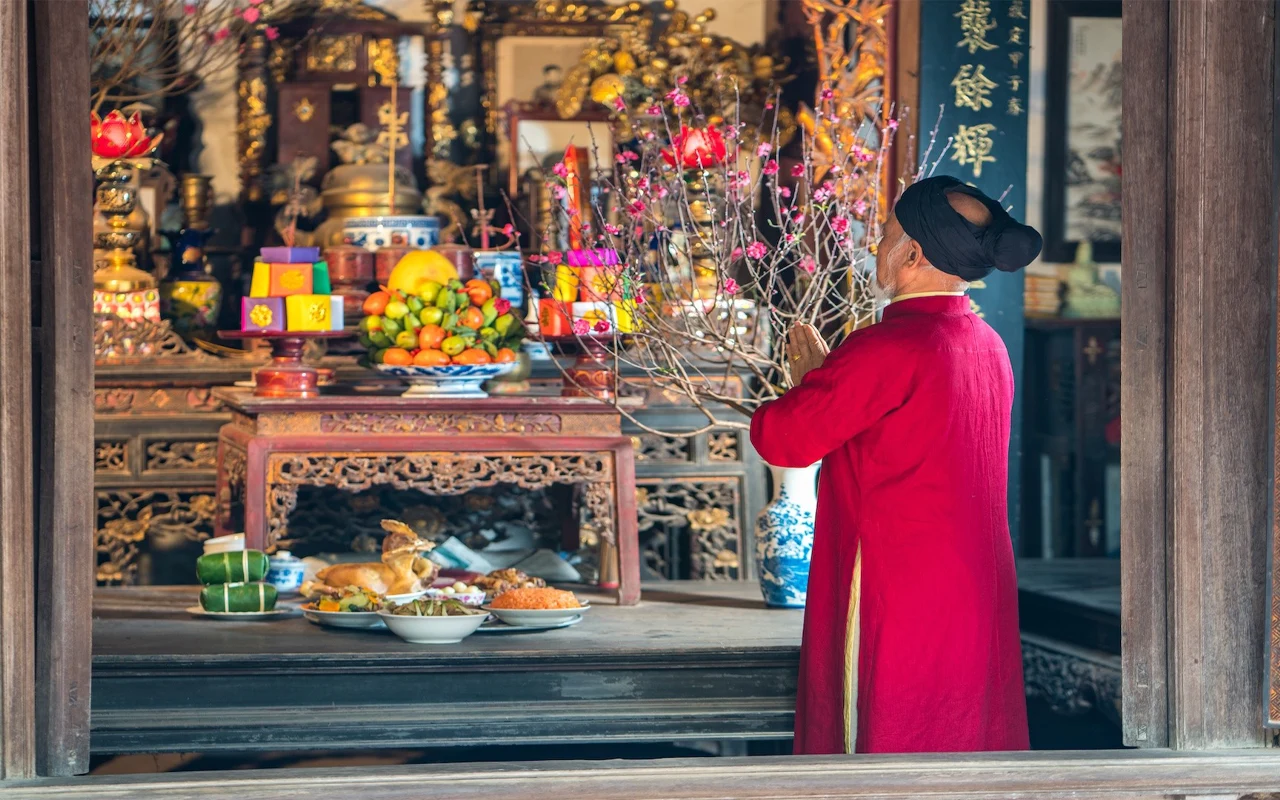
An elderly man in traditional clothing prays before an ancestral altar during the Tet holiday in Vietnam.
Rather than representing a single organized religion, ancestral traditions express remembrance, gratitude, and continuity between generations.
Community, Hospitality and Respect for Elders
Traditional village life has helped shape the importance of community relationships in Vietnam. Agricultural cooperation, neighborhood gatherings, shared religious spaces, and local festivals have historically brought people together.
Respect for age and family relationships is also reflected in the Vietnamese language. Forms of address often depend on the relative age and social relationship of the people speaking, rather than relying on a universal equivalent of the English word “you.”
Visitors may encounter expressions of hospitality through invitations to share tea, family meals, or conversations with local residents. These interactions can reveal aspects of Vietnamese life that are less apparent when visiting major attractions.
Spirituality and Everyday Life
Vietnam’s spiritual landscape includes Buddhism, Confucian traditions, Taoist influences, Christianity, indigenous beliefs, and other religious communities. These influences have developed alongside local customs and family practices.
Pagodas, temples, communal houses, churches, and ancestral shrines illustrate this diversity. Their significance varies, from religious worship and historical remembrance to community gatherings.
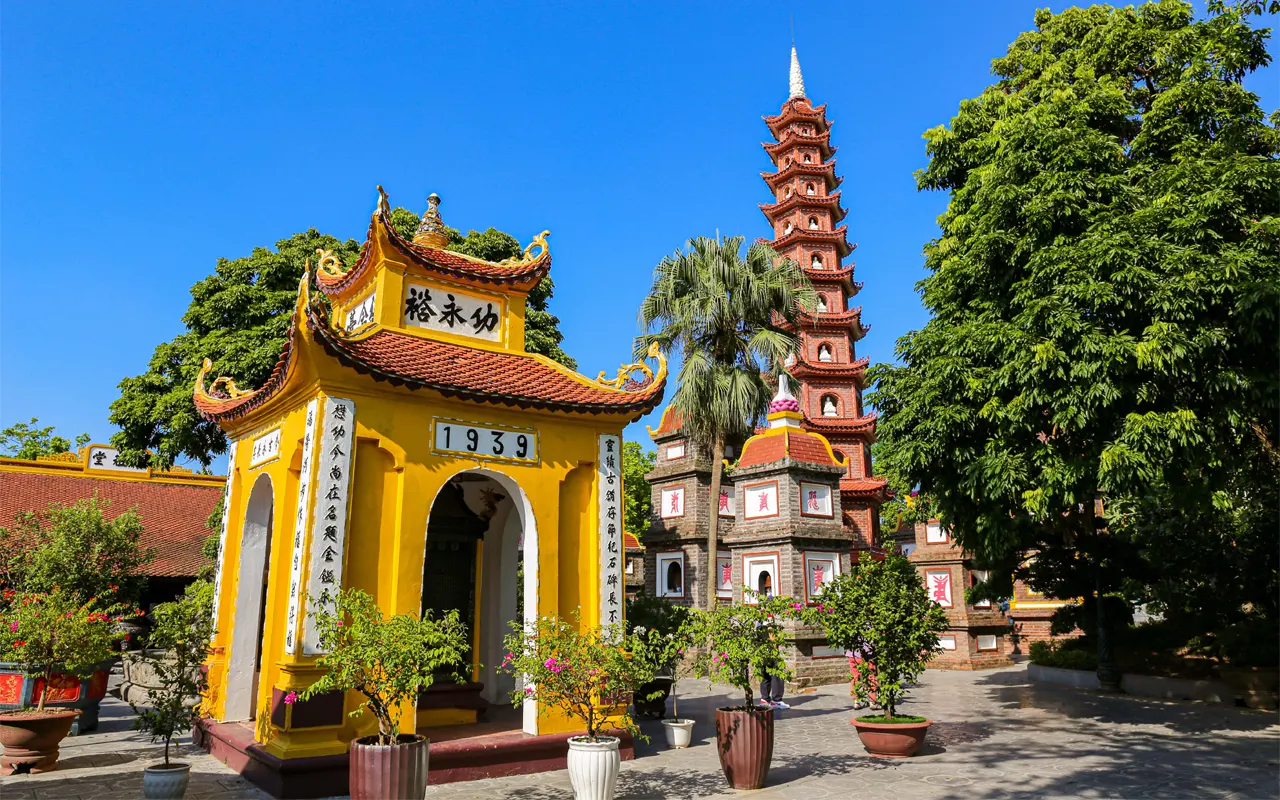
The historic Tran Quoc Pagoda features a tall red brick tower and yellow shrines in Hanoi.
Modern Vietnamese society continues to evolve through urbanization, education, technology, and international exchange. Traditional values are not necessarily disappearing; they are being adapted and interpreted by younger generations in new ways.
For a closer understanding of these customs, social relationships, and beliefs, explore our guide to Vietnamese culture and traditions.
The Diversity of Vietnamese Culture Across Regions
Vietnam’s geography has played a considerable role in shaping its cultural diversity. Mountain communities, agricultural plains, coastal settlements, historic trading ports, and river-based societies have developed distinctive ways of life.
Traveling through northern, central, and southern Vietnam reveals how these regional identities contribute to the country’s broader cultural heritage.
Northern Vietnam – Historical Traditions and Cultural Heritage
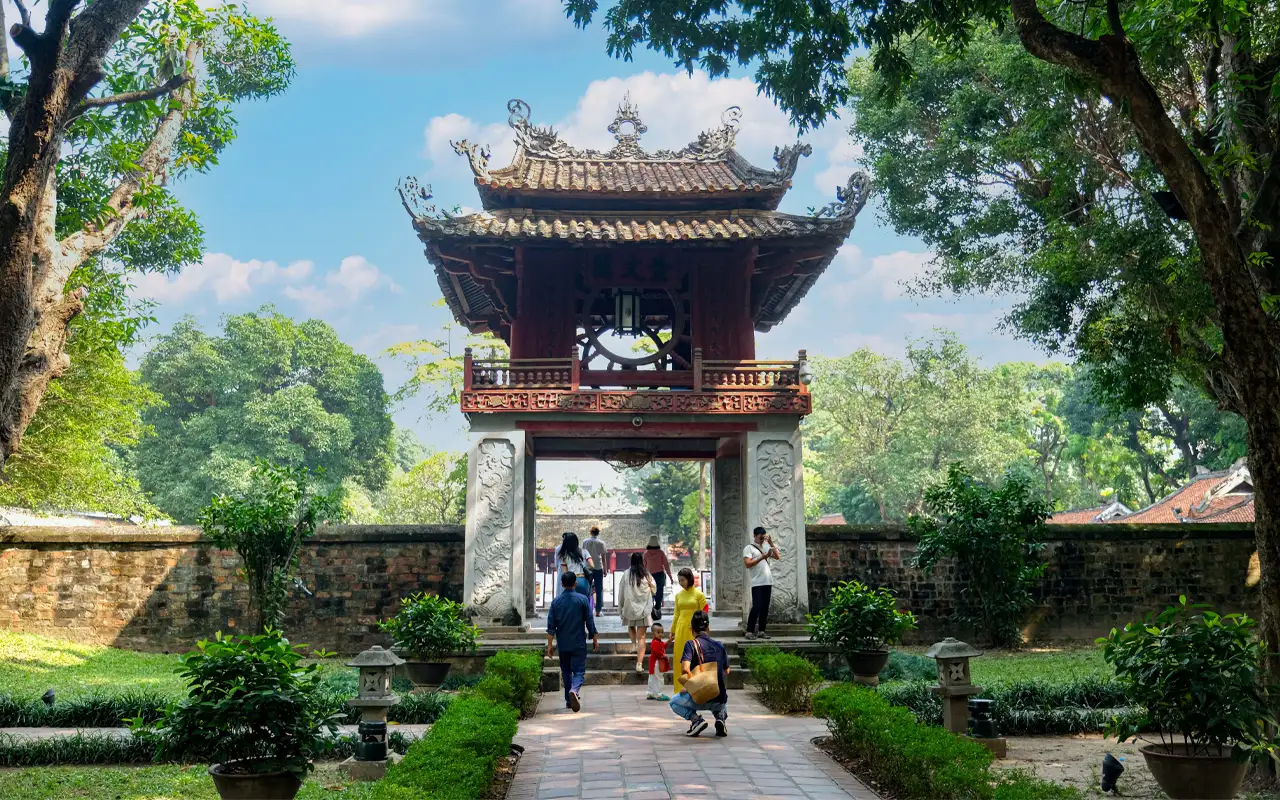
Visitors walk through the historic Khue Van Cac pavilion at the Temple of Literature in Hanoi.
Hanoi is a natural starting point for exploring northern Vietnamese culture. The capital’s historic Old Quarter, Temple of Literature, traditional markets, religious buildings, and museums provide insight into the country’s intellectual, commercial, and political history.
Beyond the city, villages across the Red River Delta retain traditions associated with communal houses, known as đình, which historically served as places of worship and community organization. Bat Trang is renowned for its ceramics, while Van Phuc is associated with traditional silk weaving.
Northern Vietnam is also home to diverse ethnic communities. Around Sapa, Hmong and Dao communities maintain distinctive textile and embroidery traditions, while Mai Chau is known for the stilt-house architecture and weaving practices of White Thai communities.
These mountain destinations offer opportunities to understand how cultural traditions have developed in response to local landscapes, agricultural practices, and community relationships.
Central Vietnam – Imperial Heritage and Ancient Traditions
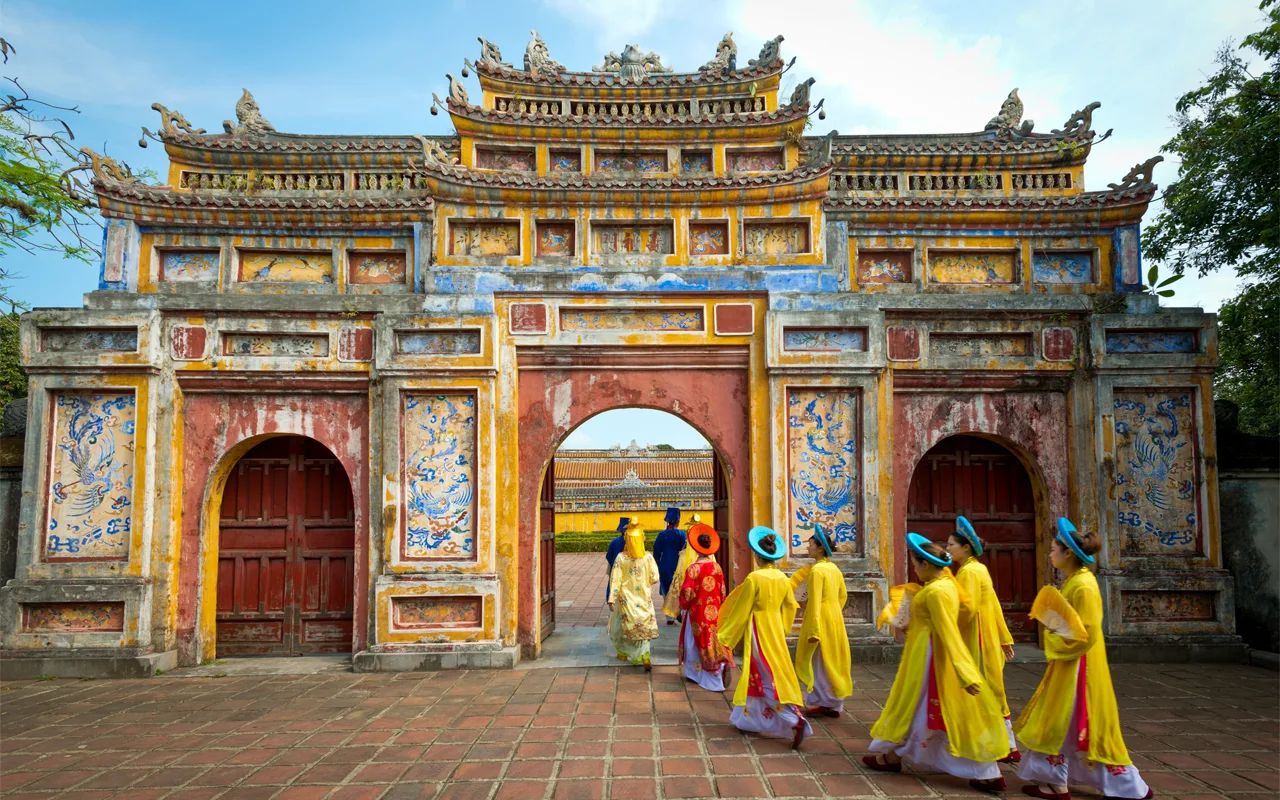
People in traditional clothing walk through an ornate gate at the historic Hue Citadel in Vietnam.
Central Vietnam contains some of the country’s most important historical and architectural heritage.
Hue, the former imperial capital of the Nguyen Dynasty, preserves royal palaces, ceremonial architecture, imperial tombs, and religious monuments. The UNESCO-listed Complex of Hue Monuments offers insight into the organization and artistic achievements of Vietnam’s last imperial dynasty.
Further south, Hoi An reflects a different chapter of Vietnamese history. Its preserved trading houses, assembly halls, temples, and narrow streets reveal the influence of international maritime trade and exchanges between Vietnamese, Chinese, Japanese, and other merchant communities.
The nearby My Son Sanctuary introduces visitors to the religious architecture and artistic heritage of the former Champa civilization. In the Central Highlands, gong traditions remain culturally significant among several ethnic communities.
Central Vietnam’s cultural identity is equally apparent in its regional cuisine, traditional craftsmanship, religious customs, and architectural styles.
Southern Vietnam – River Life and Cultural Diversity
In southern Vietnam, the Mekong Delta illustrates the close relationship between culture, agriculture, and waterways. Rivers and canals have historically supported transportation, commerce, fishing, and agricultural livelihoods.
Floating markets such as Cai Rang in Can Tho reflect the importance of river-based trading, while orchards, riverside settlements, and family-run workshops introduce visitors to other aspects of delta life.
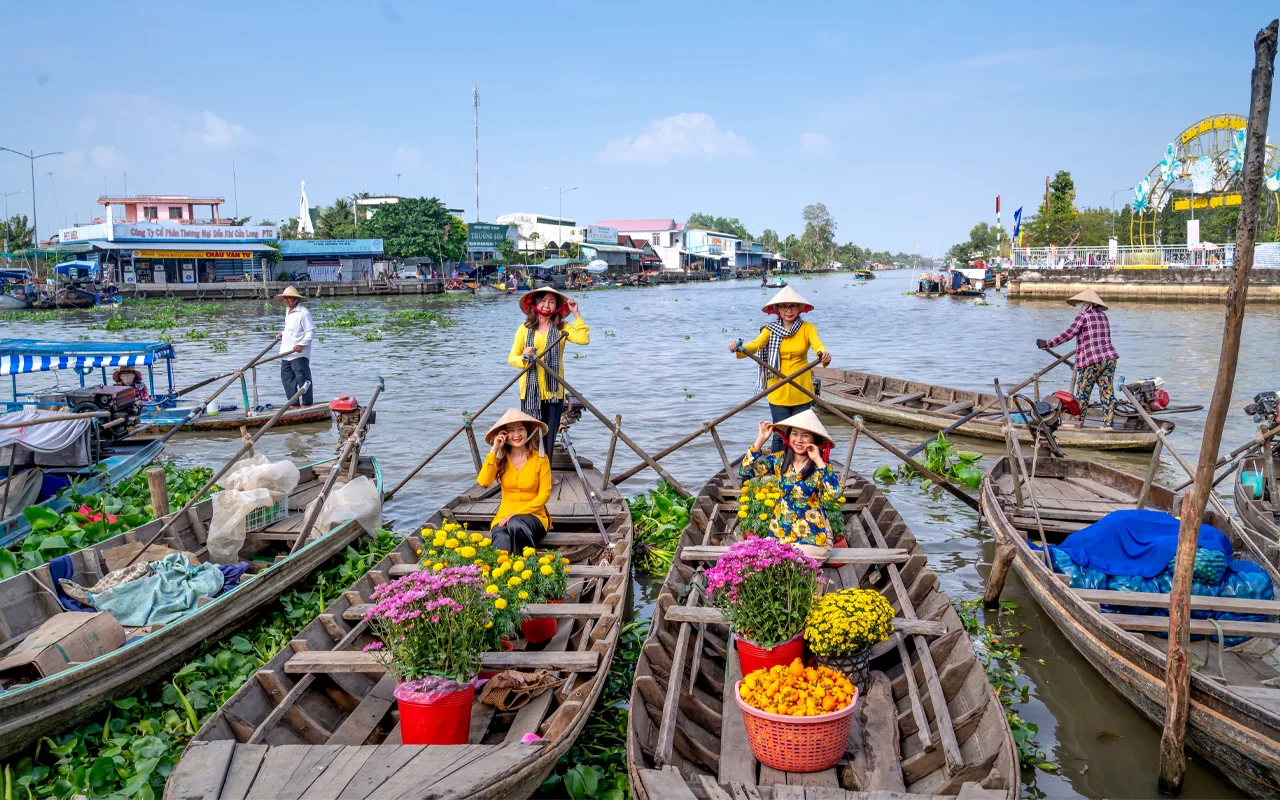
Local vendors sell colorful flowers from their wooden boats at the bustling Cai Rang Floating Market.
The region is also associated with đờn ca tài tử, a traditional form of southern Vietnamese music combining instrumental performance and singing, recognized by UNESCO as intangible cultural heritage.
Khmer Buddhist pagodas, Chinese community assembly halls, and Cham Muslim traditions in parts of southern Vietnam further demonstrate the region’s cultural diversity.
From historic capitals and ancient trading towns to mountain villages and river communities, these cultural destinations in Vietnam provide different perspectives on the country’s heritage.
Traditional Festivals and Cultural Celebrations in Vietnam
Vietnamese traditional festivals provide opportunities for communities to honor ancestors, express religious beliefs, celebrate agricultural cycles, and maintain connections between generations.
Many celebrations follow the lunar calendar, meaning their corresponding Gregorian dates change each year.
- Tet (Vietnamese Lunar New Year): The country’s most important annual traditional celebration, bringing families together through ancestral offerings, festive meals, symbolic decorations, and wishes for prosperity in the coming year.
- Mid-Autumn Festival (Tết Trung Thu): Celebrated on the fifteenth day of the eighth lunar month, with lanterns, mooncakes, lion dances, and activities particularly associated with children and family gatherings.
- Hung Kings Commemoration Day: Observed on the tenth day of the third lunar month to honor the legendary founders of the Vietnamese nation and express remembrance of its ancestral origins.
- Perfume Pagoda Festival: A major Buddhist pilgrimage season near Hanoi, drawing worshippers to a complex of temples, pagodas, and sacred caves.
- Traditional village festivals: Local celebrations that may include ceremonial processions, folk performances, traditional games, and rituals honoring village guardian deities or historical figures.
- Regional and ethnic festivals: Celebrations such as the Khmer Ooc Om Boc Festival in the Mekong Delta and the Cham Kate Festival reveal the diversity of religious beliefs and cultural traditions across Vietnam.
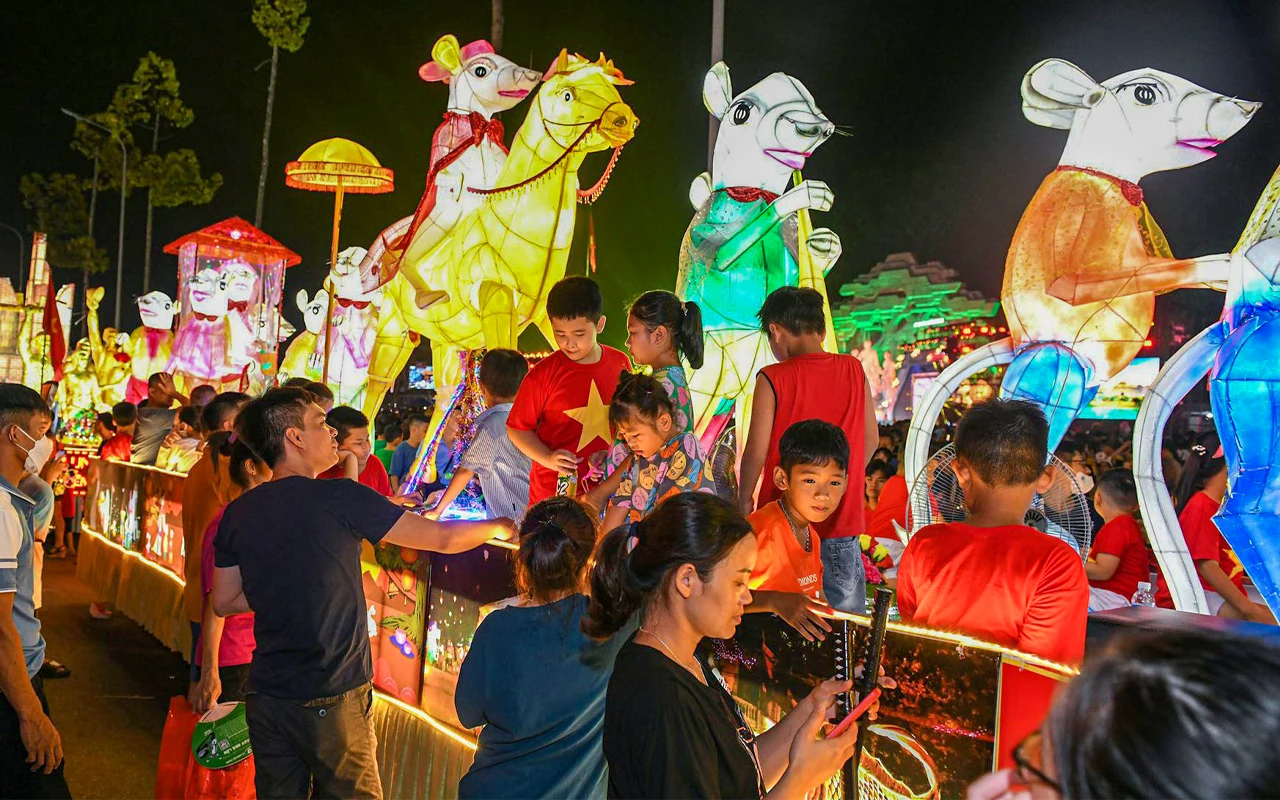
Families and children celebrate the Mid-Autumn Festival with colorful illuminated animal lanterns in Vietnam.
For travelers, festivals can provide an excellent introduction to the relationship between spirituality, family, and community. However, religious ceremonies should be approached respectfully, particularly when photographing participants or entering sacred spaces.
Our guide to traditional festivals in Vietnam offers further inspiration for planning a trip around cultural celebrations.
Traditional Arts, Crafts and Vietnamese Cultural Heritage
Vietnamese cultural heritage is preserved not only in historical monuments but also through the skills of artisans, musicians, performers, and communities that continue to practice traditional arts.
Traditional Handicrafts
Craft villages offer a particularly rewarding introduction to Vietnamese craftsmanship. In Bat Trang, ceramic artisans produce pottery through processes involving clay preparation, shaping, glazing, and firing. In Van Phuc, silk weaving connects traditional textile production with contemporary fashion.
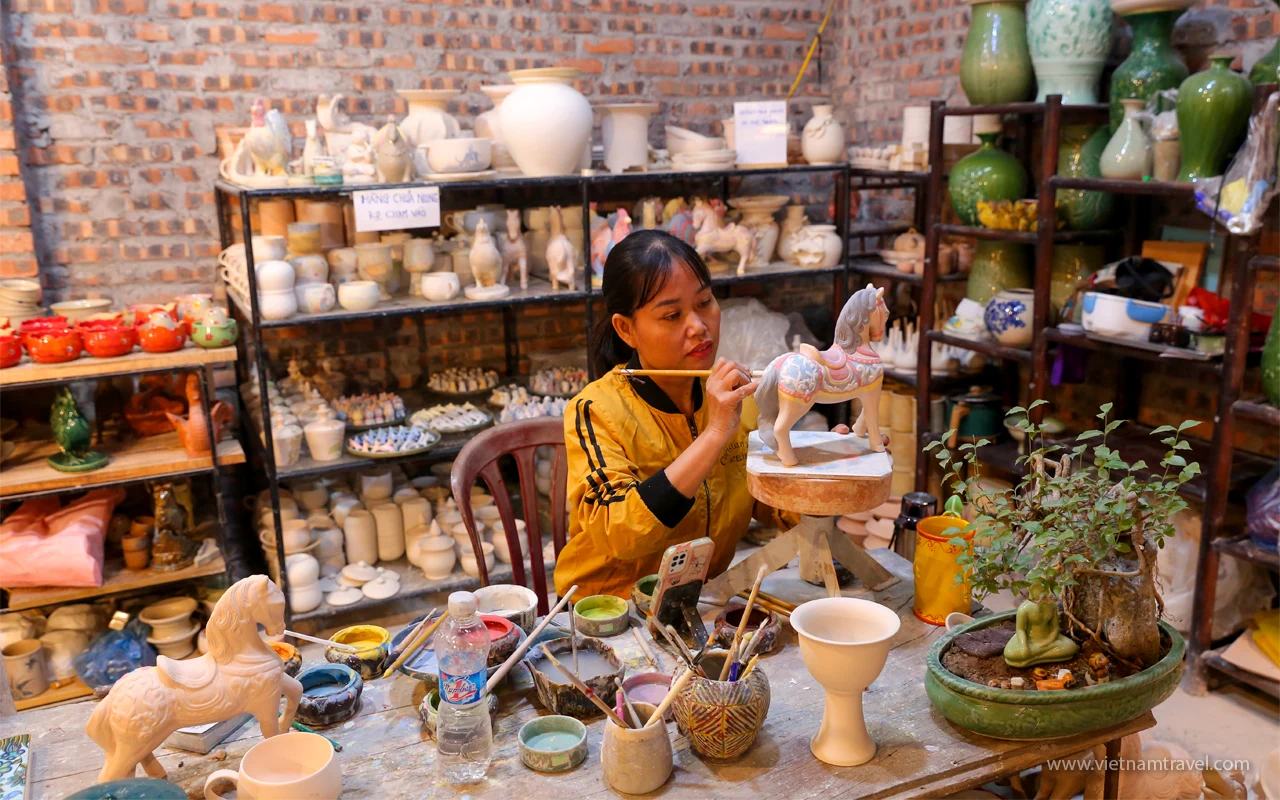
An artisan carefully paints a ceramic horse figurine at a workshop in Bat Trang Pottery Village, Hanoi.
Vietnamese lacquerware is another distinctive artistic tradition. Its layered finishes, decorative techniques, and use in both practical objects and fine art demonstrate how traditional craftsmanship can develop into new forms of creative expression.
Other regional traditions include bamboo and rattan weaving, embroidery, woodcarving, lantern making, and Dong Ho folk painting. Each reflects locally available materials, artistic preferences, and knowledge passed between generations.
Traditional Music and Performing Arts
Water puppetry, which developed in the agricultural communities of northern Vietnam, uses a water-filled stage to present stories inspired by village life, folklore, and traditional legends.
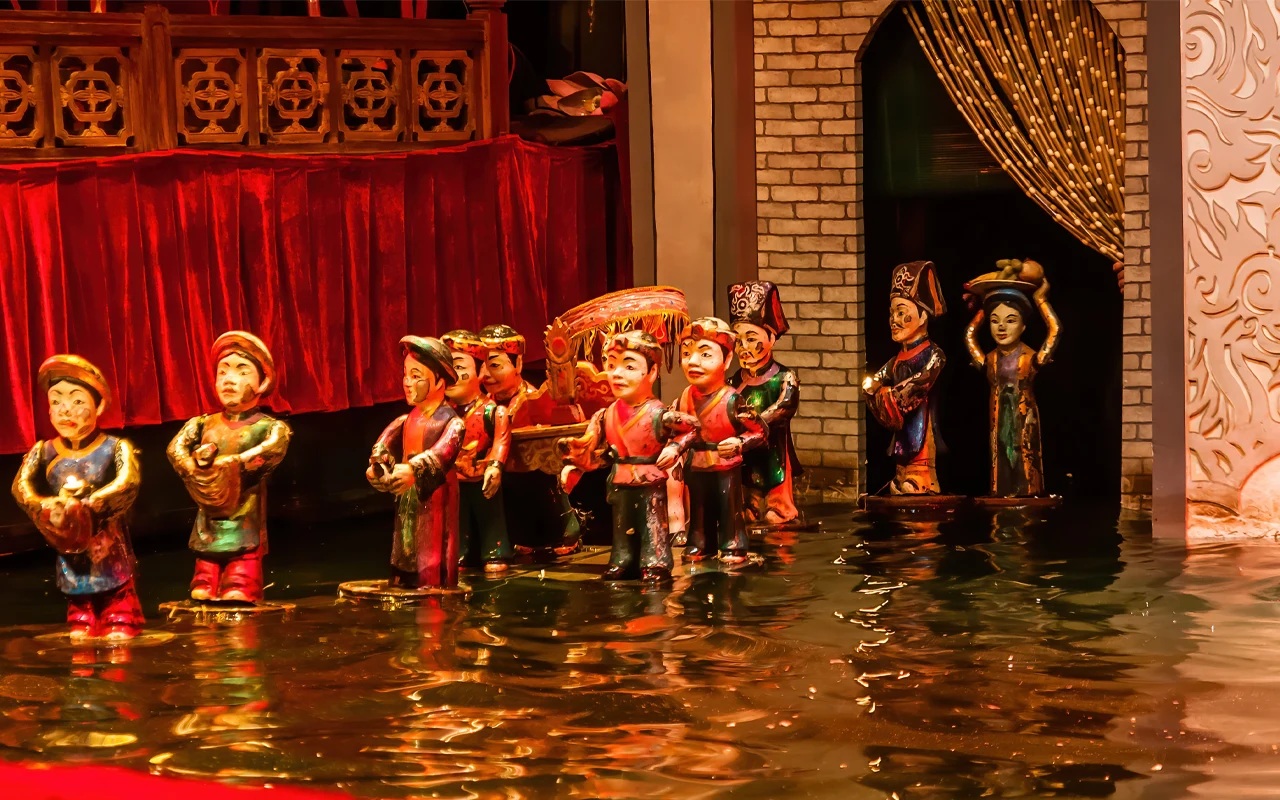
Wooden puppets perform a traditional scene on a water stage during a show in Vietnam.
Vietnam’s musical heritage is equally diverse. Quan họ folk singing is associated with the Bac Ninh region, Nhã nhạc preserves the traditions of imperial court music in Hue, and đờn ca tài tử reflects the musical culture of southern Vietnam.
These musical traditions are internationally recognized by UNESCO, illustrating the importance of preserving cultural knowledge that exists through performance, teaching, and participation rather than physical objects alone.
The Ao Dai and Traditional Clothing
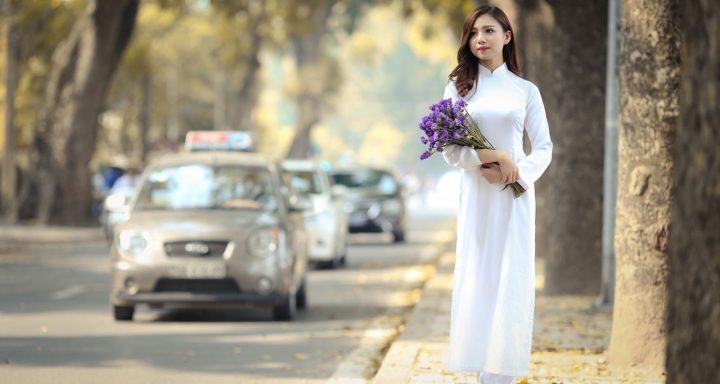
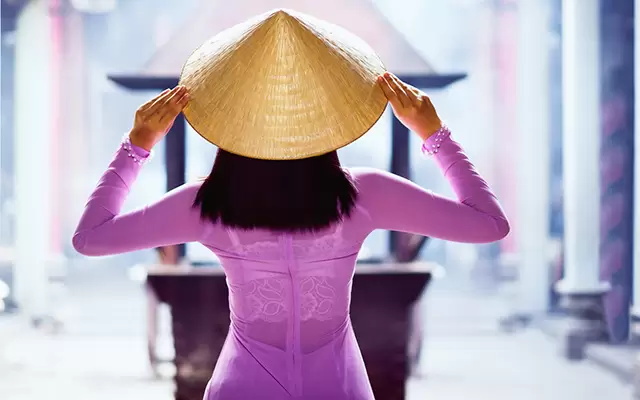
The áo dài, a long, fitted tunic worn over trousers, is among the most recognizable symbols of Vietnamese cultural identity. It appears at weddings, formal ceremonies, cultural celebrations, and other special occasions.
Vietnam’s ethnic communities also maintain distinctive clothing traditions, incorporating embroidery, weaving, indigo dyeing, and decorative techniques that may communicate regional identity and community affiliation.
Vietnamese Architecture
Traditional architecture provides another way to understand the relationship between culture and everyday life. Northern communal houses, Hue’s imperial buildings, Hoi An’s merchant houses, and the stilt houses of mountain communities reflect different historical circumstances, environmental conditions, and social needs.
Exploring these buildings offers insight into how Vietnamese communities have organized their homes, religious spaces, and public life over time.
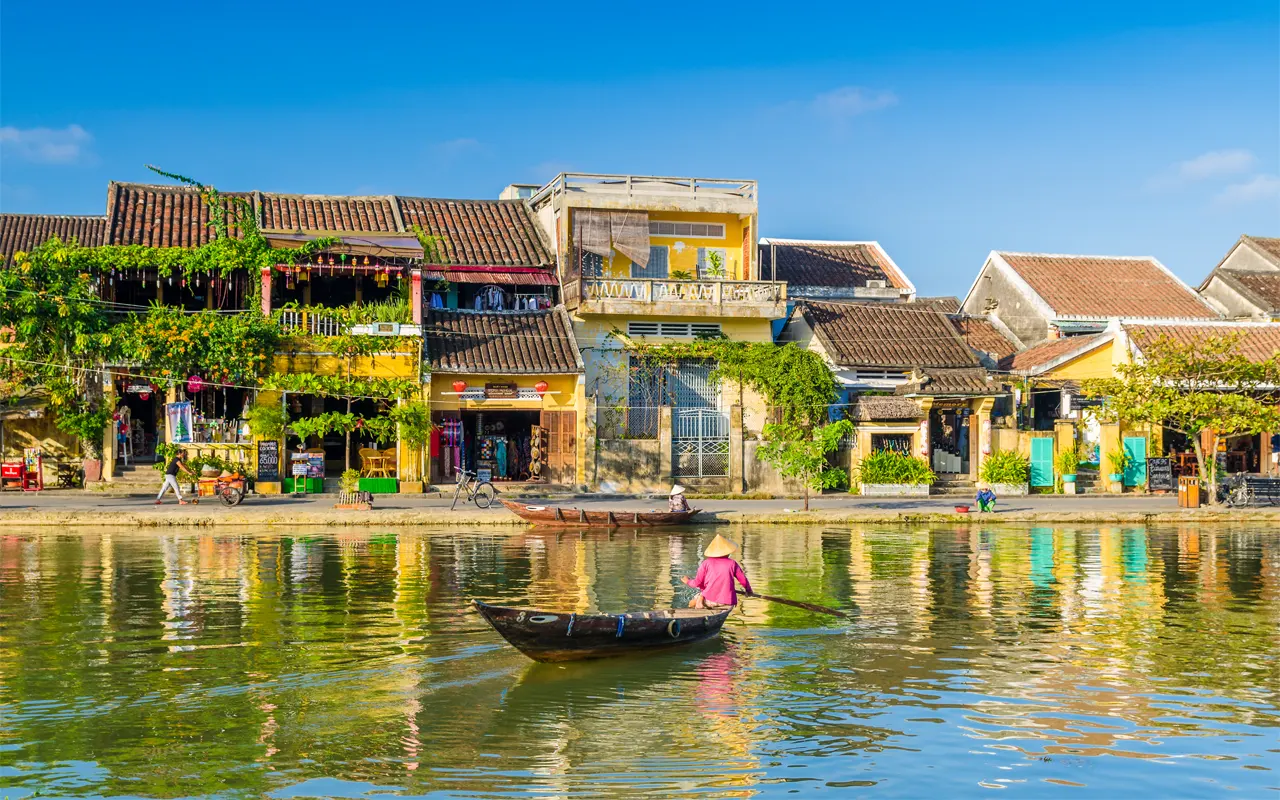
A local person rows a small wooden boat along the river in the historic town of Hoi An.
How Travelers Can Experience Vietnamese Culture
Experiencing Vietnamese culture often requires little more than allowing enough time to look beyond a destination’s principal attractions. A morning in a traditional market, an afternoon in a family workshop, or a conversation with a local guide can provide context that a hurried sightseeing itinerary might miss.
Explore Traditional Villages and Learn Local Crafts
Visiting a craft village allows travelers to understand how traditional objects are made and why particular techniques matter. Pottery workshops near Hanoi, lantern-making experiences in Hoi An, and textile workshops in northern mountain communities offer practical introductions to regional craftsmanship.
Where workshops welcome visitors, participating in the creative process can provide a greater appreciation of the patience, knowledge, and skill behind handmade products.
Visit Museums and Historical Heritage Sites
The Vietnam Museum of Ethnology in Hanoi is an excellent starting point for learning about the country’s ethnic diversity. Its collections and architectural displays provide context for traditions that travelers may subsequently encounter in different regions.
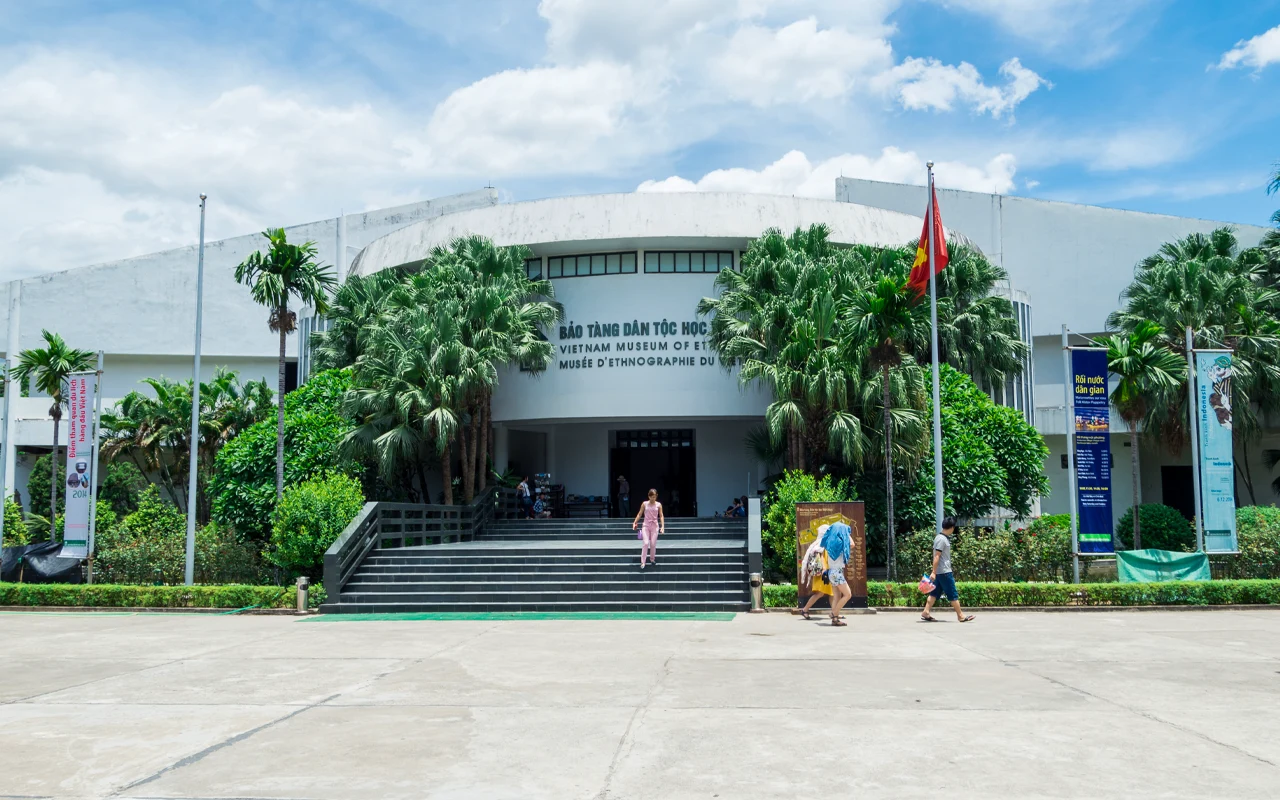
The entrance to the Vietnam Museum of Ethnology located in Hanoi.
Hanoi’s Temple of Literature, Hue’s imperial monuments, Hoi An Ancient Town, and My Son Sanctuary reveal different chapters of Vietnam’s historical development. Exploring them with a knowledgeable guide can help connect architecture and artifacts with the people and societies that created them.
Discover Vietnamese Culture Through Food
Vietnamese cuisine expresses regional identity through ingredients, preparation techniques, agricultural traditions, and family customs.
A market visit followed by a cooking class can introduce travelers to the use of fresh herbs, rice-based ingredients, fermented sauces, and regional flavor combinations. In Hanoi, Hue, Hoi An, and the Mekong Delta, culinary experiences offer different perspectives on the country’s food traditions.
Sharing a meal can also reveal the importance of hospitality, communal dining, and the social relationships that surround Vietnamese food.
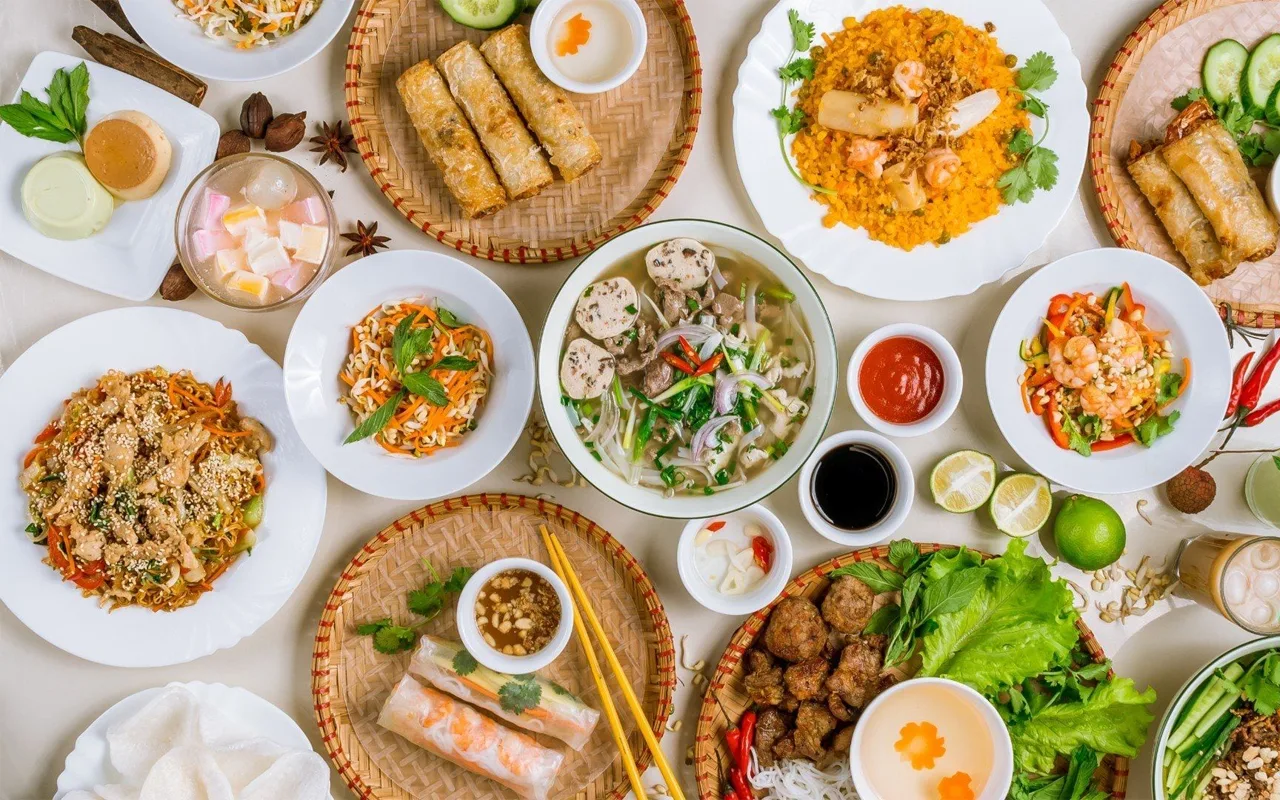
A vibrant flat-lay of classic Vietnamese cuisine, featuring steaming pho, crispy spring rolls, fresh salad rolls, and an array of dipping sauces and herbs.
Experience Local Communities Respectfully
Community-based experiences in destinations such as Sapa and Mai Chau can help travelers learn about traditional agriculture, textile production, architecture, and contemporary village life.
Choose experiences organized with local participation, ask permission before photographing people or entering private homes, and respect restrictions surrounding sacred ceremonies and religious spaces.
When possible, purchase handicrafts directly from their makers and support locally owned accommodation or guiding services. These choices can help keep the economic benefits of cultural tourism within the communities that sustain the traditions.
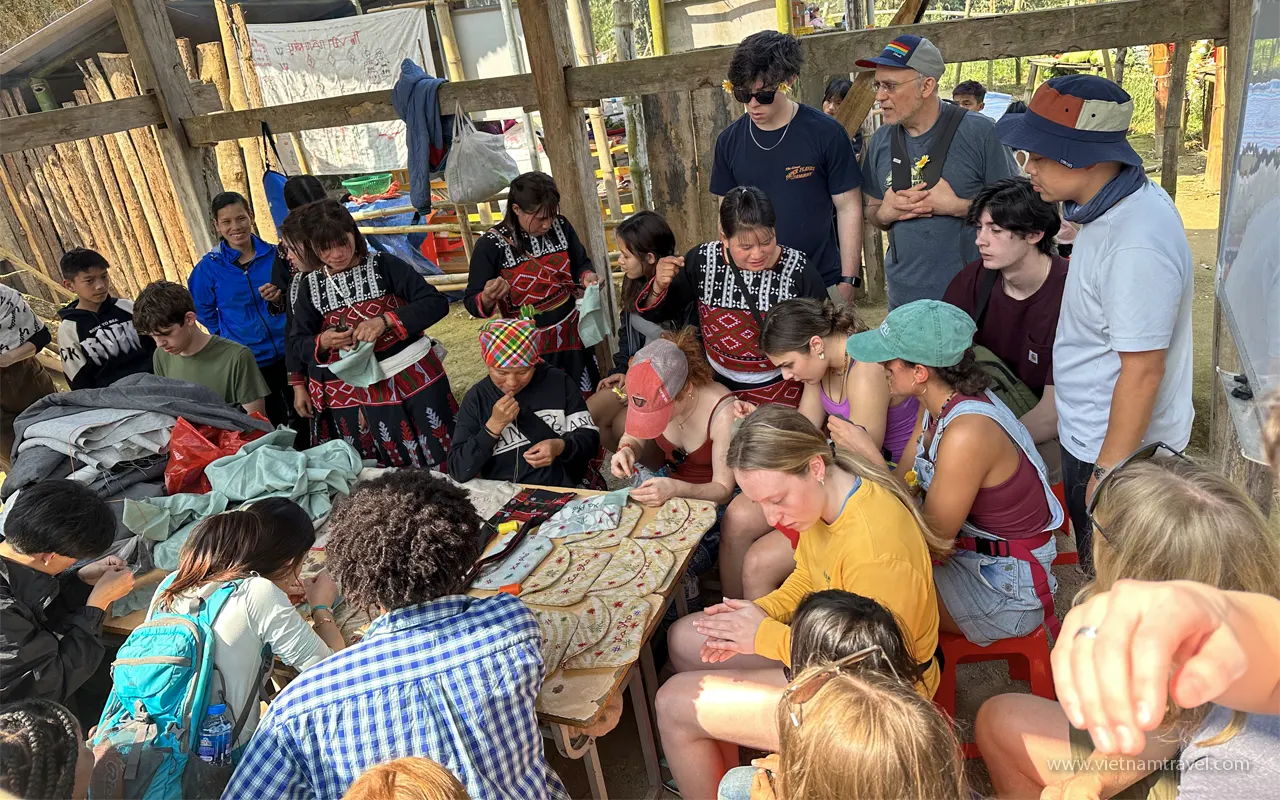
Visitors learn traditional embroidery techniques from local women during a cultural workshop in Sapa, Lao Cai Province.
Visiting Vietnam on November 24
Travelers visiting Vietnam during Vietnam Culture Day may encounter cultural exhibitions, traditional performances, heritage activities, and community celebrations. Hanoi is particularly relevant because of its historical connection with the First National Cultural Conference, although activities can take place throughout the country.
As November 24 is a public holiday, some businesses and attractions may adjust their operating hours. Selected public cultural institutions may offer free or reduced admission, depending on applicable government decisions. Check local event schedules, opening arrangements, and admission policies before visiting.
Discover Vietnam Through Cultural Tours
A thoughtfully planned cultural tour brings together historical sites, local traditions, everyday experiences, and the regional differences that make Vietnam such an interesting country to explore.
Rather than concentrating exclusively on famous landmarks, consider an itinerary that leaves time for traditional workshops, local markets, regional cuisine, conversations with residents, and guided heritage visits.
For travelers interested in discovering Vietnamese culture, the following destinations offer complementary experiences:
- Hanoi and northern Vietnam: Historical landmarks, traditional craft villages, museums, water puppetry, and the cultural traditions of the Red River Delta.
- Sapa: Mountain agriculture, local markets, traditional textiles, and opportunities to learn about the region’s ethnic communities.
- Mai Chau: Rural landscapes, traditional stilt-house architecture, weaving, and community-based cultural experiences.
- Hue: Imperial history, royal architecture, traditional music, religious heritage, and distinctive regional cuisine.
- Hoi An: Historic merchant houses, maritime trading heritage, traditional crafts, lantern making, and local culinary traditions.
- Mekong Delta: Riverside communities, floating markets, traditional southern music, agricultural livelihoods, and Khmer cultural heritage.
A privately planned journey can be particularly suitable for travelers who prefer to explore at their own pace, spend longer in culturally significant destinations, or focus on particular interests such as architecture, history, cuisine, and traditional craftsmanship.
Explore our collection of Vietnam cultural tours for inspiration and discover how these experiences can form part of a journey shaped around your interests.
Why Vietnam Culture Matters Beyond Tourism
Vietnamese culture is more than a collection of attractions for international visitors. It is an essential part of community identity, family relationships, artistic expression, and the way people understand their history.
Preserving cultural heritage involves maintaining historical buildings and protecting archaeological sites, but it also requires supporting traditional knowledge, languages, craftsmanship, music, and practices passed between generations.
As Vietnam develops, cultural preservation does not mean preventing communities from changing. It means creating opportunities for people to maintain meaningful connections with their heritage while determining how their traditions evolve.
Responsible tourism can contribute to this process by supporting local livelihoods, encouraging appreciation of cultural diversity, and respecting the communities whose knowledge and creativity sustain these traditions.
Vietnam Culture Day is a reminder that the country’s heritage belongs not only to its past but also to its present and future. For travelers, understanding Vietnamese culture offers something more valuable than a collection of memorable photographs: a deeper appreciation of the people, history, and everyday life that give Vietnam its distinctive identity.
Related Posts
Our Recommendations

You May Also Like